

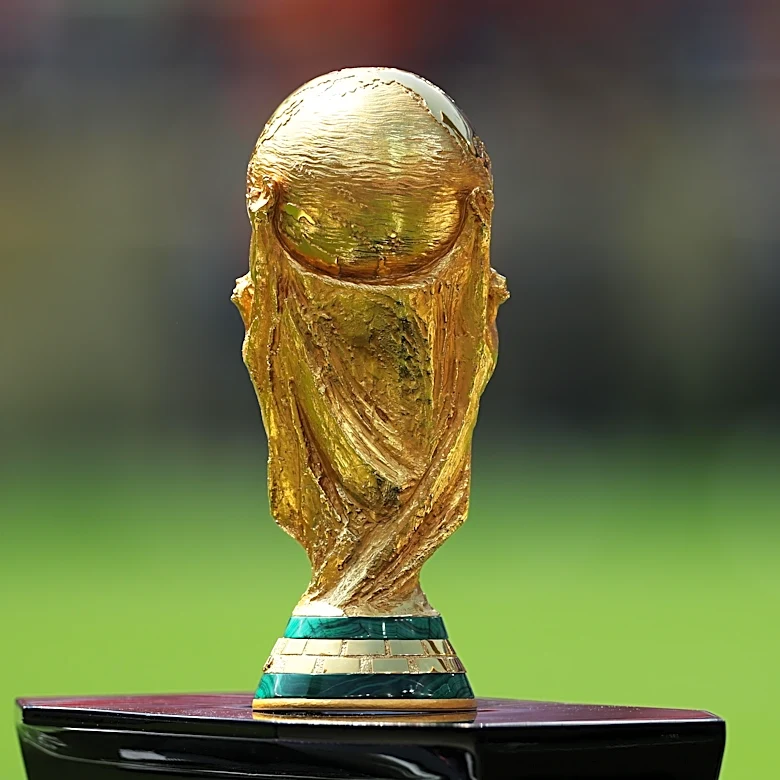

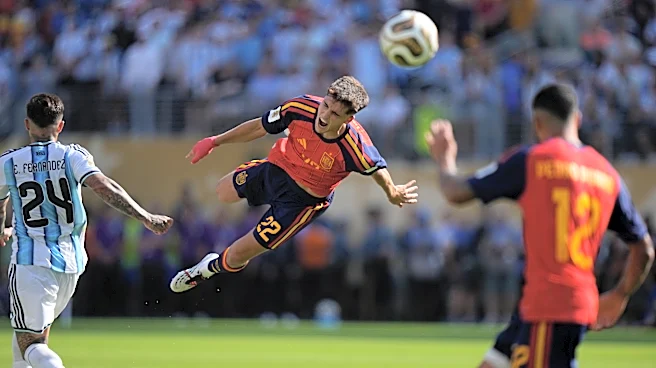
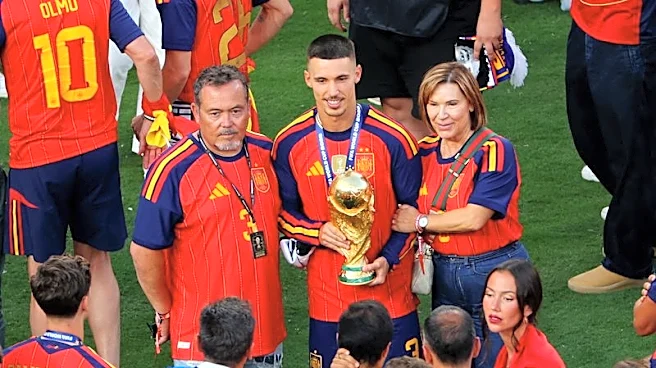
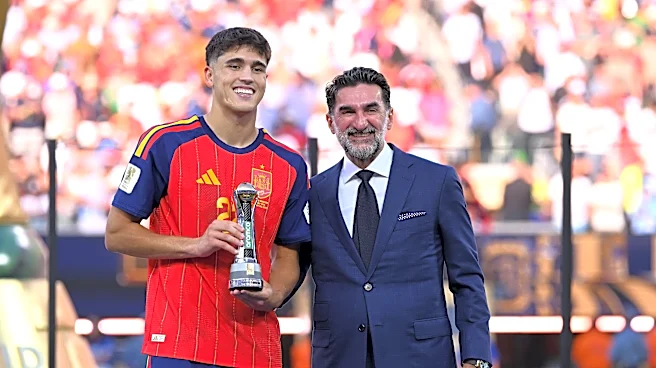
A national team is very different from a club team. We can all agree on that.
The Champions League, however, and all the pressure that comes with winning knockout games in a cup competition, is not all that different from the World Cup.
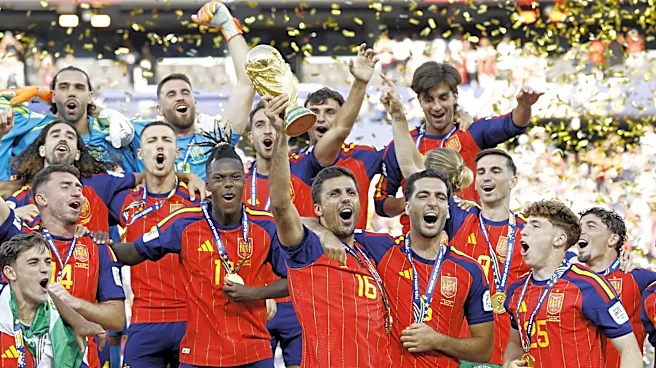
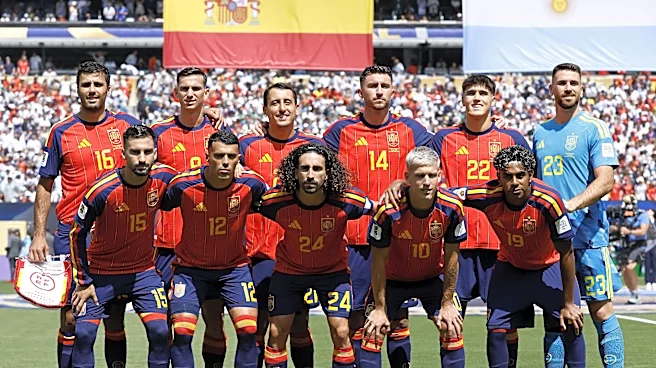
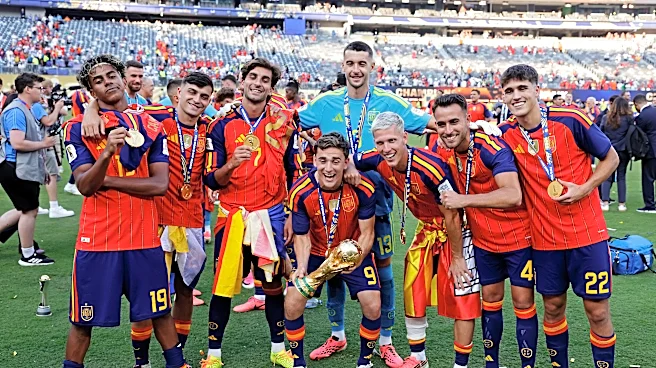
Spain and Barcelona also have a lot in common. In fact, there are more Barca players on the title-winning La Roja team than any other club by a large margin.
In terms of playing style, the philosophy is the same, but the tactics are different in a few significant ways.

Hansi Flick has been an unbridled success at Barcelona in his first two seasons in charge. In large part, that’s because nothing is more important than winning La Liga, and in that category he has dominated Real Madrid and all other Spanish challengers by creating an unstoppable scoring machine.
In the Champions League, he also has Barcelona back where they belong among the best in Europe, getting to the semi-finals and the quarter-finals. In the new league phase format, he has had impressive second and fifth place finishes.
Still, Barcelona have the ambition to win it all again. The expectations will be raised as the Flick 2.0 era begins this season, and that means getting over the Champions League hump come Springtime.

Most of the criticism Flick has received centers around conceding too many goals in cup competitions. The goal festival formula that works in La Liga simply hasn’t paid off in the Champions League.
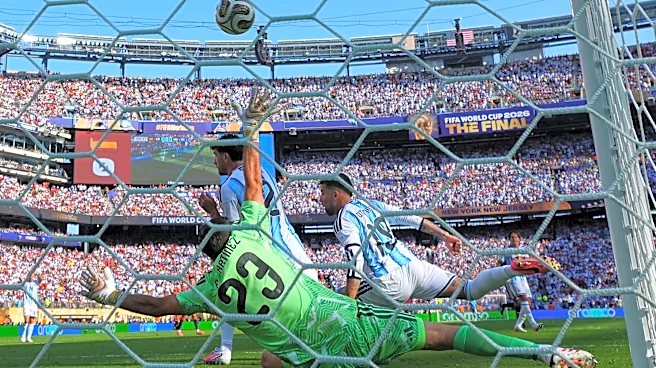
Spain meanwhile conceded one goal across eight games in their quest to become world champions. That’s an astonishing accomplishment. Meanwhile, their superstar Lamine Yamal only scored once. No star player dependencia for España.
Let’s also not forget that Spain won the Euros just two years ago. What they are doing is clearly a recipe for success.
So what, if anything, can Barcelona learn from Spain?

Is it realistic to expect the team to score three goals a game? What happens if Lamine Yamal, Raphinha, or another key player, is injured? Does the gameplan simply blow up like it did last year?
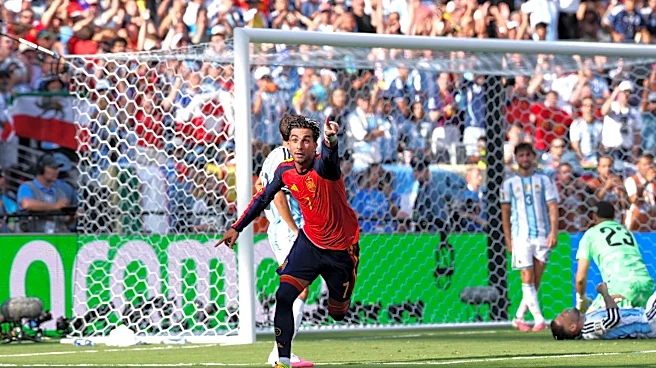
Spain’s best goal scorers of the tournament were Mikel Oyarzabal with five, Mikel Merino with two, and then five other players who scored once. With that in mind, how necessary is it for Barcelona to break the bank to bring in a players like Julián Alvarez?
One thing I love about Spain was the defensive line. Marc Cucurella and Pedro Porro were standouts for their energy, physicality, and contributions in support of the attack. Do Barcelona have full-backs on the roster who can also make a similar impact?
Pau Cubarsí was exceptional, and Aymeric Laporta made for a great partner. It was pretty refreshing to not see them play the offside trap at half field.

One thing that Spain has that Barcelona certainly doesn’t is Rodri, and maybe that’s the best argument you can make as to why the Blaugrana would struggle to replicate the tactics of La Roja at the World Cup.
It’s interesting that Luis de la Fuente benched Pedri, who was excellent in the final off the bench, in favor of Fabián Ruiz. Alongside Rodri, the manager opted for physicality over pure skill, and that allowed Spain to apply suffocating pressure on their opponents.
This retrospective isn’t just for Hansi Flick. It’s for Deco and Joan Laporta to think about.
Tactics work best with the right players to apply them.

With that in mind, Barcelona will have to figure out what the missing pieces are in order to be better in the Champions League.
It’s about depth, without a doubt, but also it’s important to give Flick the players he asks for to maximize the tactical approach he’s going to take.
Remember the old adage though. Defense wins championships.
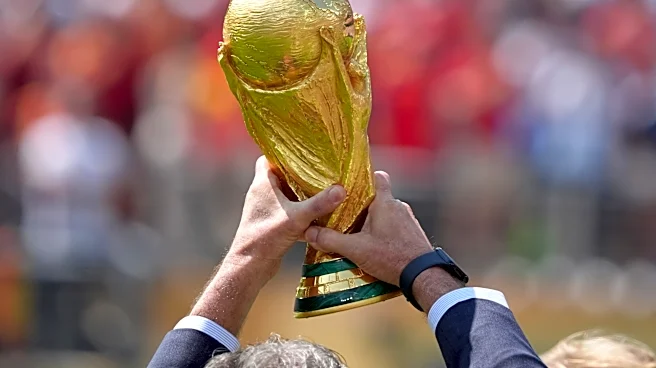
Barcelona is always an exciting watch, but the most thrilling thing of all is to raise the trophy when it’s all said and done.