
The collective-bargaining agreement (CBA) between Major League Baseball and the MLB Players Association expires Dec. 1.
Last time this happened, five years ago, a lockout was imposed on that date and lasted until mid-March, abbreviating Spring Training and forcing schedule changes which resulted in the Cubs playing six doubleheaders in order to get a full 162-game season in.
Evan Drellich of The Athletic reports that the two sides have begun talking about the next CBA:
Representatives from the commissioner’s
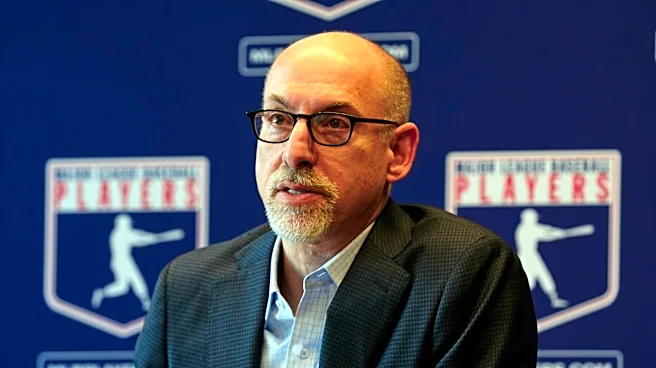
office at Major League Baseball and their counterparts at the Players Association met Tuesday in New York City to start what’s expected to be a lengthy negotiation process en route to a new labor deal, a person briefed on the negotiations who was not authorized to speak publicly said.
This first meeting was not for formal proposals, but rather opening presentations. The players and owners were expected to lay out their view of the sport’s current operation. In subsequent meetings, the parties will make formal proposals on economics and other issues.
As you know, team owners seem much more adamant about proposing a salary cap this time around. This isn’t new; owners have wanted a cap pretty much since labor negotiations of this type began more than half a century ago. A cap proposal is one of the reasons the damaging 1994-95 strike happened. One of the biggest movers for ownership’s cap proposal at that time was a young up-and-coming outside attorney MLB had hired. You have probably heard of this guy — somebody named Rob Manfred.
In any case, Manfred will now, as Commissioner, be leading the charge for owners wanting a cap. None of the owners are going to go on record at this time about a cap, and as noted in Drellich’s article, both sides are just laying groundwork for further sessions to come:
The league is expected to propose a salary cap and salary floor, changes that owners will frame as a means of improving competitive balance. Players in the past have vehemently fought against a cap-and-floor system for a variety of reasons, many of them economic. If both sides now dig in, the ensuing fight could threaten the 2027 season.
The current collective bargaining agreement expires at 11:59 p.m. ET on Dec. 1, and if a new deal isn’t in place by then, owners are likely to lock out the players, just as they did five years ago. But the likelihood of a deal by December seems low.
So a lockout will happen. What that will do is bring the entire business of baseball to a screeching halt. Teams cannot sign free agents or make trades during a lockout. That’s one of the reasons the Cubs rushed a signing of Marcus Stroman in December 2021, a deal completed just hours before that year’s lockout was imposed. Presuming there’s a lockout, the Winter Meetings, which would begin just a few days after Dec. 1, would likely be cancelled. If the lockout bleeds into January — and it very well could — the Cubs Convention would also likely be cancelled, as no current players would be permitted to attend.
This would not be good for baseball PR, as the sport is riding high at the moment. From Drellich:
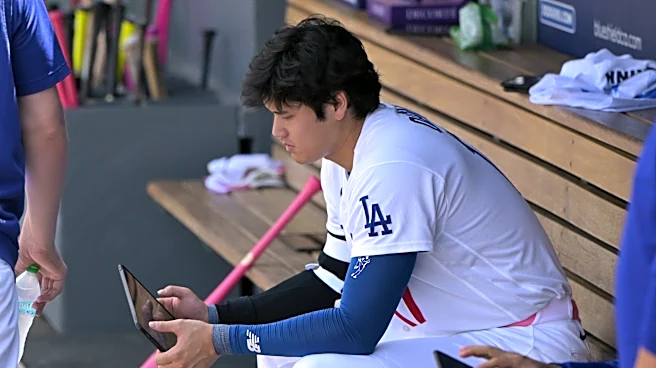
The lockout is an existential predicament for the industry because in many ways, baseball is enjoying a renaissance. Revenues eclipsed $12 billion for the 2024 season. Rule changes, including a pitch clock, have helped increase baseball’s popularity, and the superstardom of Shohei Ohtani of the Los Angeles Dodgers has commanded worldwide attention.
And here’s the reason some owners are pushing for a salary cap:
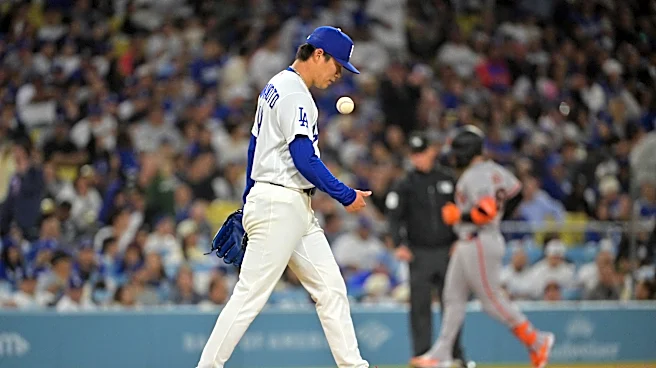
But with a payroll above $400 million, those Dodgers also are flexing their financial might via free agency the way the New York Yankees did at the turn of the century under George Steinbrenner, and smaller-market owners and fans complain about an uneven playing field.
It’s obviously more complicated than that, but those are the main issues in a nutshell. Here’s what’s likely to happen next:
The sides will project strength throughout the bargaining process, but both the players’ and owners’ willingness to miss games won’t be fully tested until the spring of 2027. March is likely the final month a deal could be reached without shortening or significantly pushing back that year’s competition schedule.
A baseball CBA typically covers five seasons of play. Talks are expected to take place throughout the summer, but movement might not be significant until the winter. Last go-around, the process was slow: the union made its first economic proposals in May, and the league its first in August.
They don’t appear to be racing out the door here, either: This round of negotiations is opening a little later than the last. In 2021, the sides made opening presentations in April.
So it will be quite some time before we really know what direction these negotiations are heading. Also at stake, if a chunk of the 2027 season is missed, is the Cubs hosting next year’s All-Star Game, which would be the first one at Wrigley Field in 37 years. So the Cubs have at least some interest in getting an early deal and not missing any time next year.
In summary: Baseball owners and players have started talking. They haven’t said much yet. It’s a long process. I just wanted you to know things have begun. As always, we await developments.