
NJ.com writer Keith Sargeant recently released an article detailing the Rutgers financial situation after the most recent fiscal reports were released. Several financial numbers mentioned in the article are
jarring; however, the fact that Rutgers Athletics set a record 78 million dollar deficit is perhaps the hardest pill to swallow.
According to an OPRA request made by NJ.com/NJ Advance Media, the Rutgers Athletics deficit topped 70 million for the third time in five years. The university spent 193.8 million dollars in the 2024-2025 fiscal year alone, which is a record amount of spending for the university. Certain numbers offset that cost, as Rutgers had an operating revenue of 146.6 million, meaning that the department had an overall 46.2 million dollar shortfall. However, that 146.6 million also includes 7 million dollars subsidized from the school’s annual budget, 8 million dollars from the state budget, and 15.8 million in student fees. With those removed, it shows that Rutgers Athletics spent 78 million dollars more than it earned. In total, Rutgers Athletics has run up a deficit of 516.9 million since joining the Big Ten.
Rutgers Athletics’ spending has increased by 175 percent during its first 11 years in the Big Ten as the University tries to bring itself onto the same financial and institutional playing field as the rest of the conference.
The Rutgers football team, in particular, spent around 12 million more this fiscal year than it did in the previous fiscal year. Of the 76 million that Rutgers spent on football, $17 million went to coaches’ salaries, $11.1 million went to support-staff salaries, $4.5 million went to student-athlete meals, and $2 million went to the recruiting budget.
Coaches’ contracts have been a hot topic in the Rutgers community over the past year, especially after the failures of the last two basketball seasons and the 2025 football season.
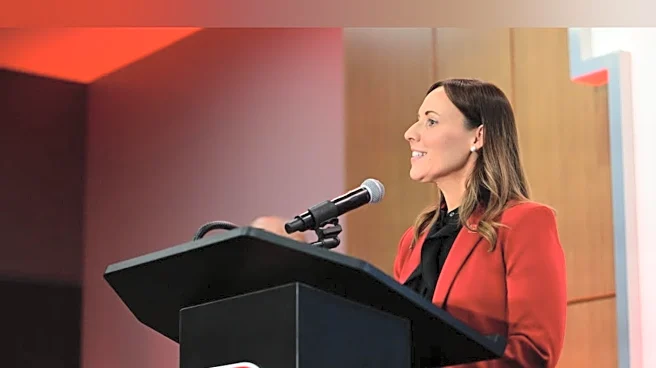
Rutgers athletic director Keli Zinn acknowledges the fact that something has to be done about the deficit, but is also well aware of the department she inherited and what needs to happen before the department starts chipping away at its debt.
“Regardless how we slice this thing, it’s got to get better.”
“Obviously, our expenses have exceeded and outpaced our revenue, and in some cases year over year to a pretty significant degree. That’s a piece that we will spend quite a bit of time on, understanding that the current fiscal year that we sit in there was a $20.5 million expense with the revenue sharing and the additional scholarship support.”
“I think what you’ll see a year from now is that’s going to be our worst year looking at a profit and loss scenario. But you’ll see some level of improvement that’s expected in that ‘26-‘27 year and then by ’27-’28, based upon the current projections we have, in some growth categories and opportunities with revenue, I’m hopeful you’ll actually see (the deficit) start to decline.”- Quotes from Keli Zinn via NJ.com
Steve Politi, a Rutgers insider for NJ.com, who did not write the article, encouraged the Rutgers faithful via his X account to read the original piece closely and realize that Zinn is open and honest about the deficit she inherited and the fact that she has concrete ideas for making the numbers work in the future.
Last week, the NCAA approved a proposal that will permit Division I sports programs to place commercial logos on uniforms next season. Zinn said that they are already in talks to have these sponsorships. This will help Rutgers Athletics generate more revenue overall.
Rutgers Athletics’ in total spent $193,831,838, which equates to about 3.7% of the university’s $5.28 billion budget in 2024-25.
The best cure for these financial ills is winning. There has not been a lot of winning around Rutgers since joining the Big Ten, but that is the best way to fix the financial mess they have found themselves in. Winning brings a positive image of the program, more fans, and thus more companies will have more of an incentive to sponsor, and alumni will have more reasons to donate. Rutgers has struggled to be a consistent winner in the Big Ten, and from what we have seen recently, there isn’t much to make fans believe that next year will be any different. Unfortunately, without winning, it seems unlikely that any of these financial fortunes are going to change.