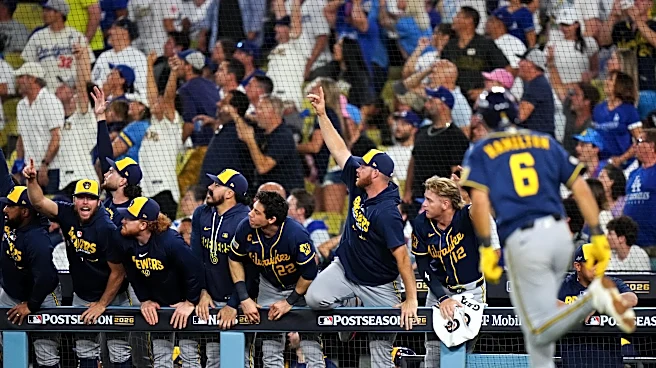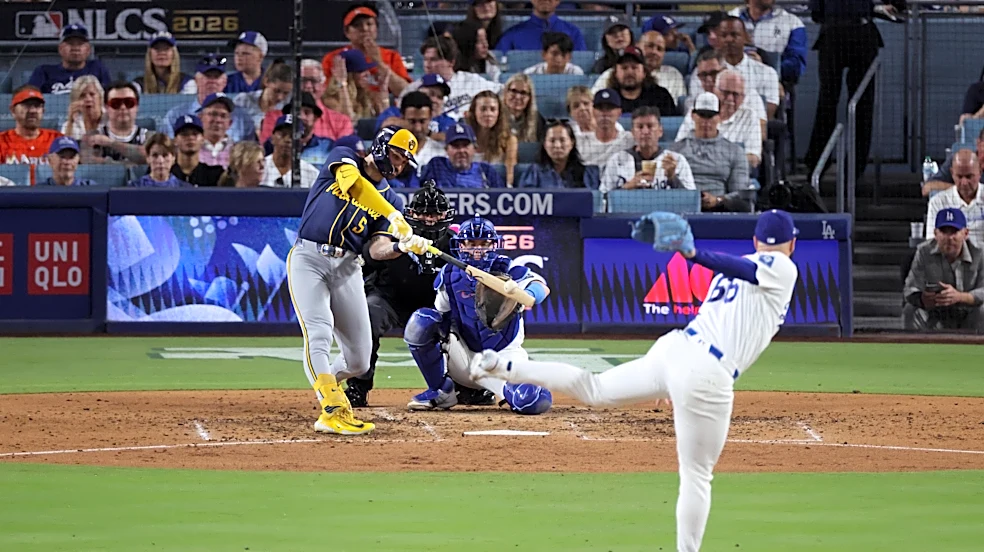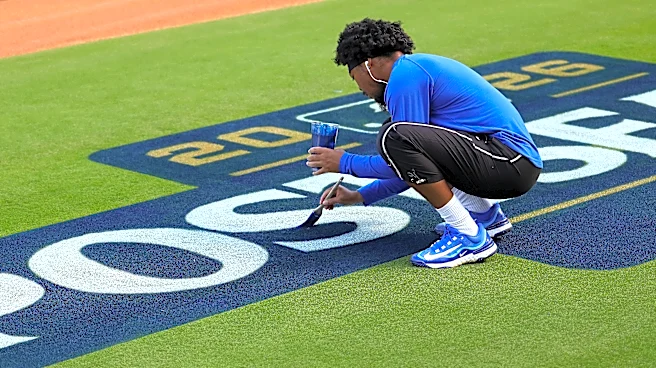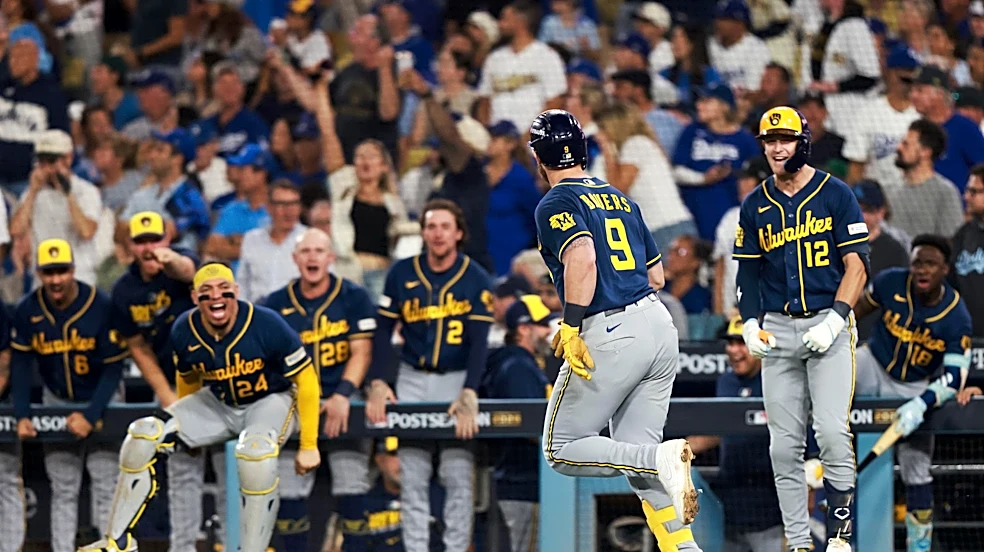




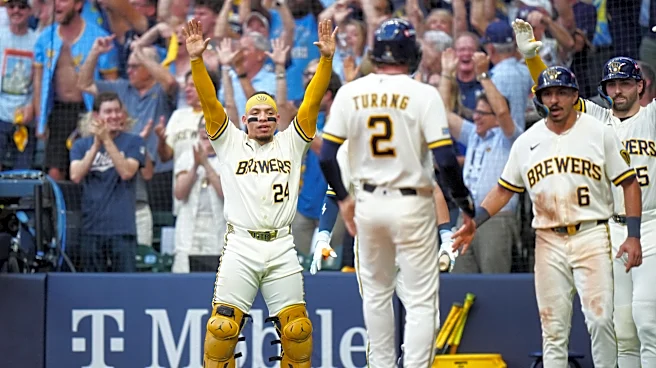

The Milwaukee Brewers are the 2026 National League champions. That’s objectively a neat and fun thing for sports fans. The Brewers only went to the playoffs twice in their first 39 years of existence, and while they have been a playoff staple since 2018, they’ve never made it to the Fall Classic. They’ve never won the World Series, either. They will get a chance to do so soon.
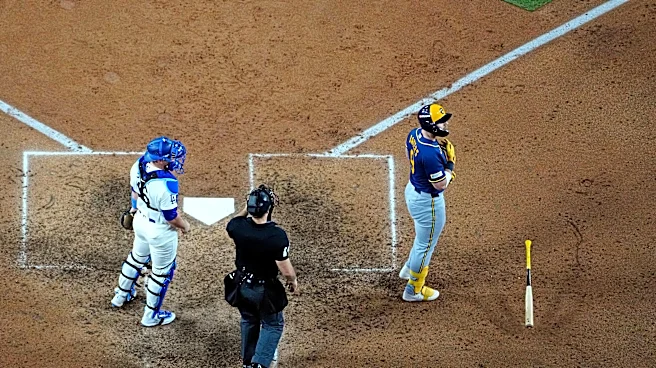
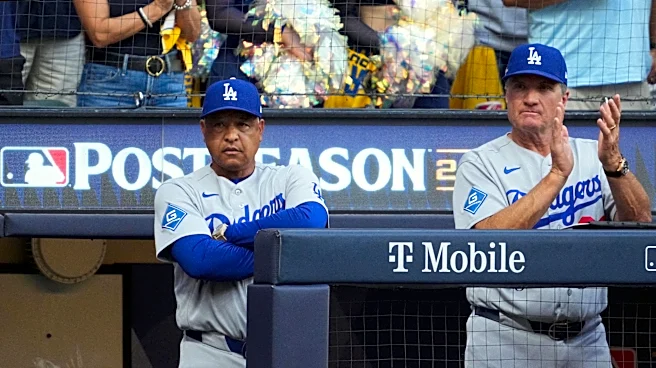
But make no mistake—they’ve earned it. The Brewers won 103 regular season games and swept their NLCS opponents, the Los Angeles
Dodgers, who were the only other team in baseball to notch 100 victories.
That last part is particularly important. In the last few years, the Dodgers have overtaken the New York Yankees as Major League Baseball’s #1 bad guys. Prior to this season, they had been to five of the previous nine World Series and had come away with three wins, including back-to-back wins in 2024 and 2025. They’ve done so by drafting and developing well, sure, but also by brazenly outspending everybody and becoming the top destination for top-tier Japanese talent. Other teams literally can’t compete the same way.
Fans have noticed, and the grumblings have peaked at the same time as small market team ownership have grumbled. The owners, having sought a salary cap for years, have smelled blood in the water and have pushed hard for a salary cap as the previous collective bargaining agreement comes to a close.
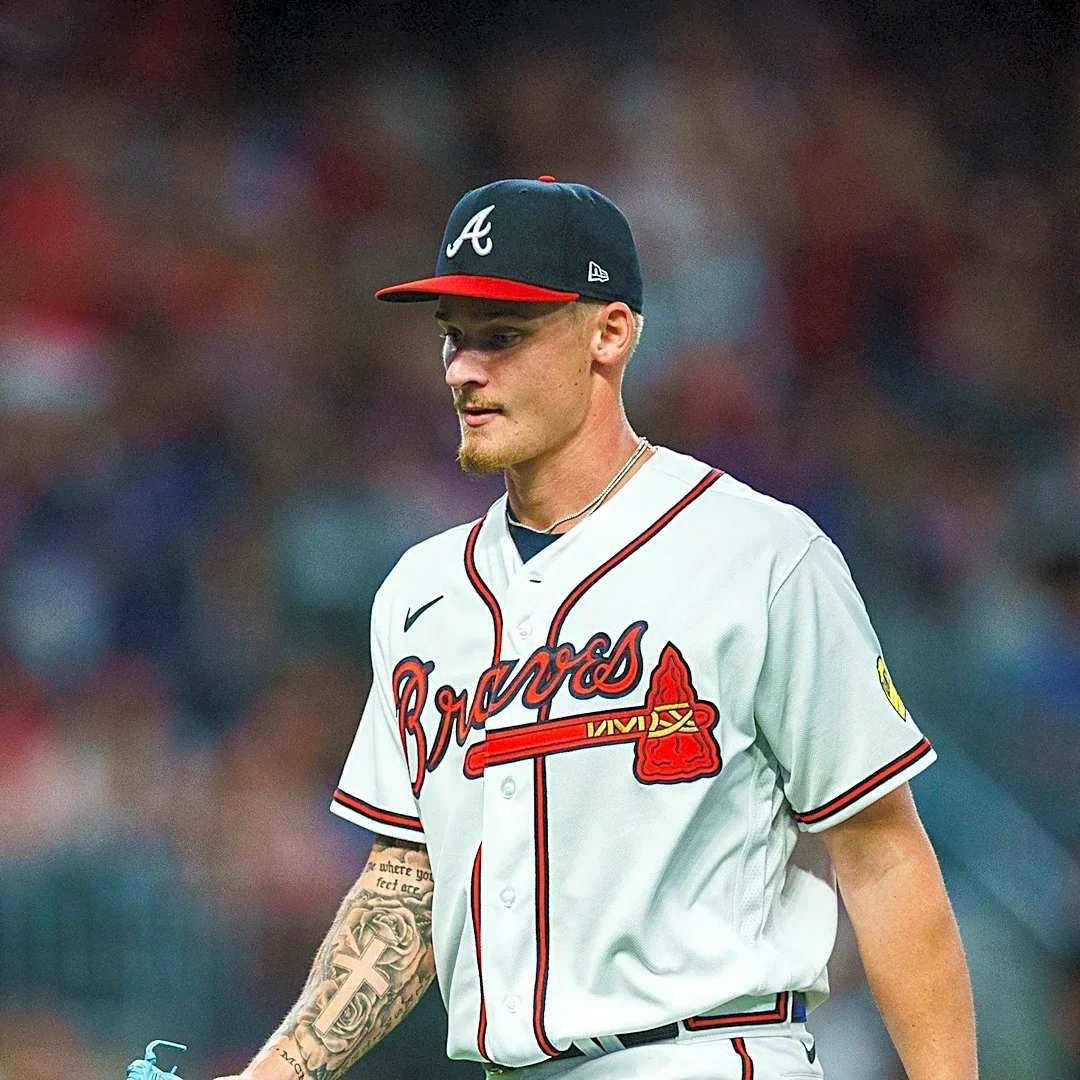
One set of playoff games doesn’t mean everything, and both sides know this. But humans are influenced by the most recent events, and this year’s playoffs kicked off with some heavy hitters. The Dodgers ranked first overall with a $412 million payroll. The Yankees ranked third, with a $310 million payroll. Philadelphia, fourth, spent $290 million. Atlanta, sixth, spent $259 million. The Cubs, seventh, spent $254 million. The Astros, eighth, spent $240 million. The Padres, ninth, spent $219 million. The Red Sox, 11th, were at $203 million. In other words, only three of the top 11 highest MLB payrolls missed the playoffs.
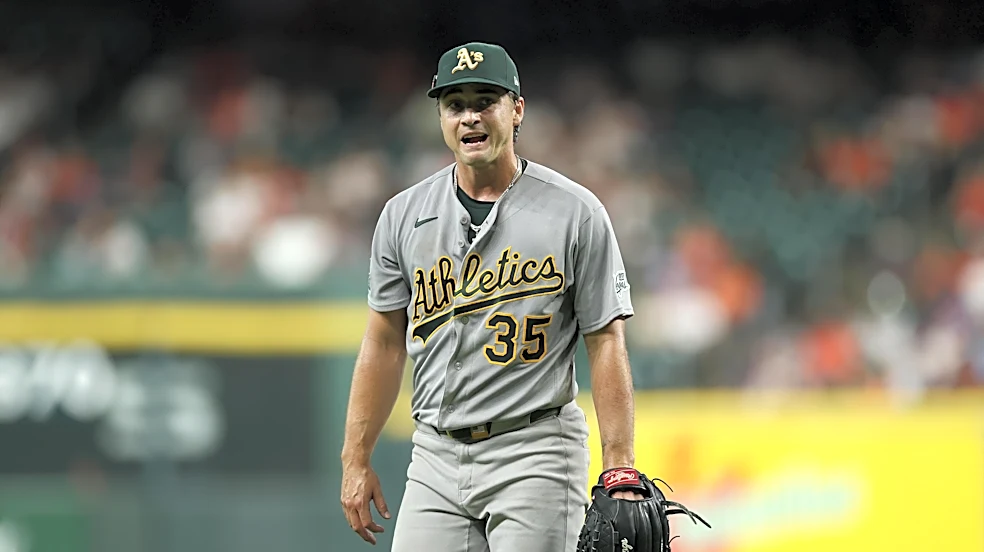
There were a lot of potential matchups that could have heavily contributed to the argument for a salary cap. A Yankees-Dodgers rematch was possible. We could have gotten a Red Sox-Phillies series, or an Astros-Braves series. And yet, we got none of those things—we got the Brewers (19th in overall payroll at $142 million) spiking the Dodgers into oblivion on the National League side, with the Cleveland Guardians (29th, $87 million) and Tampa Bay Rays (28th, $90 million) duking it out in the American League. The Dodgers and New York Mets both spent more in payroll than those three teams combined.
In such a public industry, the CBA negotiations are a public relations battle. If any of the above scenarios had happened, the league could have simply shrugged and said, “Look at these big market teams crowding out the few small market teams. We need a salary cap to stop this from happening.” I think this would have been especially true if the Dodgers had put together a threepeat. None of the player arguments could have cut through those optics.
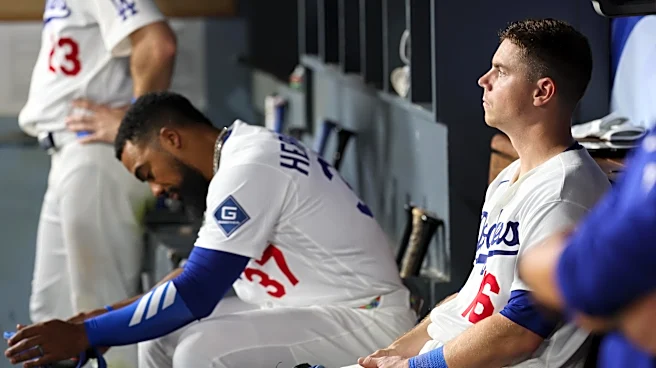
And yet, the one scenario that could have significantly defused momentum for a salary cap has played out: the Dodgers were sent home in embarrassing fashion, both the ALCS and NLCS featured small-market teams, and the World Series will be a small-market showdown.
This isn’t the perfect outcome for the players, because if, say, the $87 million payroll, 85-win Guardians come out victoriously then that isn’t exactly a great argument that owners should bother trying to spend to their capacity on player salaries. We could still get a salary cap, and it still might even be the right call. But no matter how the World Series ends, the players can point to it all winter and say that the league doesn’t need a salary cap for small market teams to succeed.