
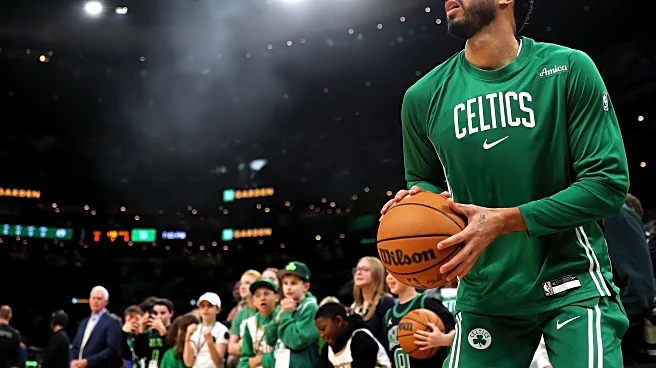
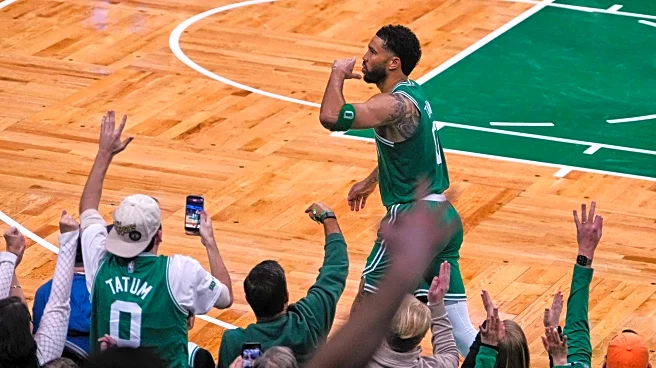
The wait is finally over.
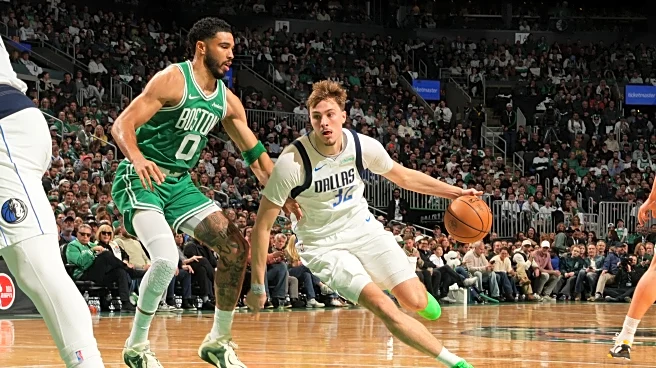
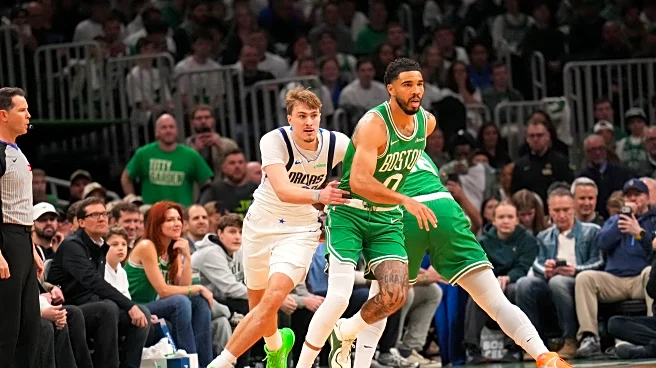
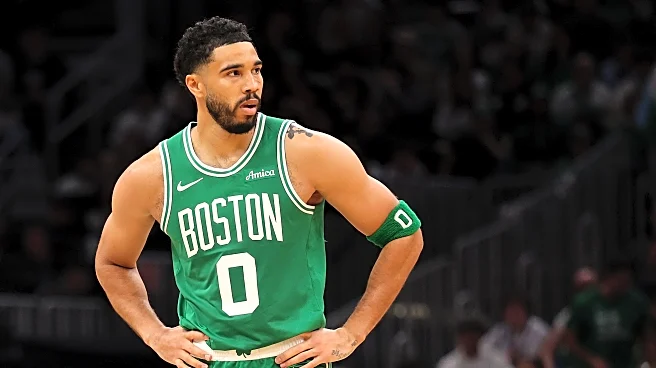
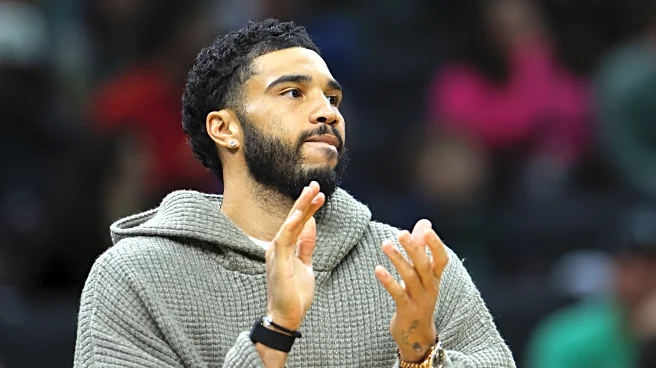
After a long and grueling road back from the ruptured Achilles injury he suffered during last year’s playoffs, Jayson Tatum returned to action last night for the Boston Celtics. Boston started the game slowly but steadily improved as it wore on, much like Tatum himself, who looked more comfortable and in rhythm with each passing minute.
Tatum acknowledged the adjustment period that came with returning from such a significant injury.
“I was just trying to get caught up with
the speed of everything,” Tatum said. “I kind of felt like I was a step off or moving too fast at times, but the game started to slow down once I relaxed a little bit.”
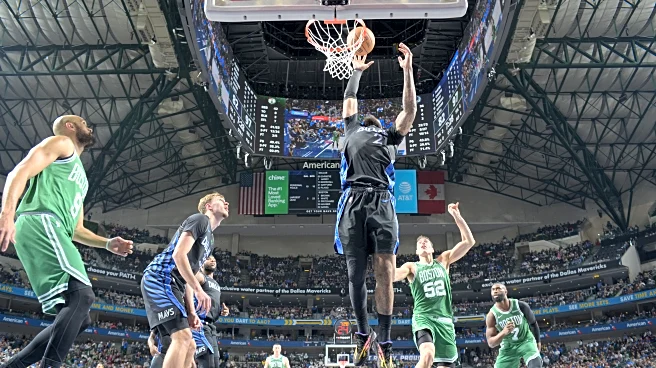
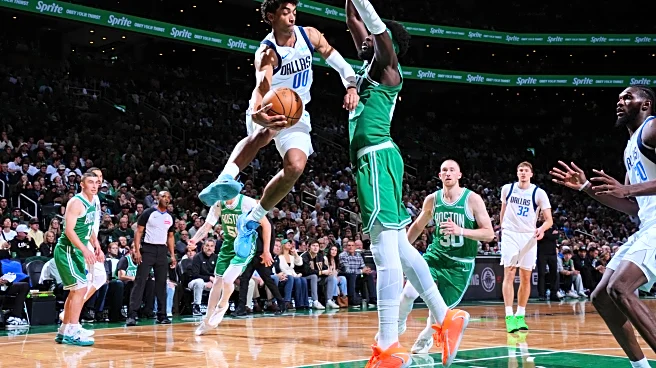
That growing comfort helped fuel Boston’s surge over the final three quarters, as they took control of the game and pulled away for a 120–100 victory over Cooper Flagg and the Dallas Mavericks. Tatum stuffed the stat sheet totaling 15 points, 12 rebounds, and 7 assists in 27 minutes, and it was so easy to see just how impactful he can be in so many ways.
The first two things that jumped off the screen were Jayson Tatum’s passing and rebounding. Early on, he appeared perhaps a bit too unselfish, but that’s not unusual for a player as team-oriented and cautious as Tatum, especially in his first game back.
He did find a better balance later on, but when he was in passer mode, the prowess he possesses in that area was so clear.
For the first play of the game, Boston sets Stagger screens for Sam Hauser.
Stagger screens are two of the same off ball screens set with space between them.

Tatum’s passing variety and placement was an area of growth I enjoyed last season. Here he shows that placement putting the ball directly into Hauser’s shooting pocket he just doesn’t make it.
Next, we have both the rebounding and passing.
Neemias Queta sets the early Flare screen for Tatum and then immediately gets into a dribble handoff. A Flare screen is an off-ball screen set in between the passer and the recipient.

With Flagg having to go over the screen, Tatum and Queta now have a two-on-one vs the big. Even though Jayson Tatum recorded just two assists to Neemias Queta, their pick-and-roll connection flashed intriguing potential throughout the night as the two appeared to develop a natural rhythm in those actions. While I might not be alone in thinking that, Tatum was quick to emphasize that what fans saw was only the beginning.
“Me and Neemi had a little talk during the game,” Tatum said. “We were just like, ‘man, this is our first day really playing together.’” The two have at least some familiarity playing 385 minutes together last season but there is still, as he put it, “some things we got to work on.”
Here Tatum throws the lob for him and he touches the sky.
This was one of the plays I felt he was a tad too unselfish to start. Queta sets a great screen which gives Tatum ample room to shoot the pull up three or mid-range. He instead stays patient, draws Dwight Powell out to him, then leads the pass right to where Queta needs to be.
It’s still a strong read, even though the finish doesn’t fall, but as Tatum continues to regain his rhythm and feel for the game, you would expect him to begin taking this shot again especially when given this much space.
Here an early offense screen creates an advantage that leads to a 3.
Despite ranking last in the league in pace, Boston has thrived in early offense, thanks in large part to the screening of their big men. All season long, Queta and Luka Garza have excelled at setting timely screens while the defense is still backpedaling or unset. That ability has been a major factor in Boston’s success generating early looks, and it’s also a big reason why the team leads the league in screen assists per game this season.
Nikola Vucevic was also learning in that department, but that has since been cut short due to a finger injury he suffered last night that will keep him out of the lineup for 3-4 weeks.
The three screens usually set in early offense are Flare screens, Veer screens, or Wide action/away screens. Here, Queta sets the wide screen for Tatum which worked well all night.

Tatum doesn’t end up getting the ball immediately off it, so he keeps moving. He eventually has his open cut to the paint hit by White, causing the defender to leave one of the league’s best shooters in the corner. Very quick decision by Tatum.
Tatum started this game 0/5 from the field, and some of the jumpers were short looking like he still needed to get his legs under him. Sadly, that might apply to dunks, too.
Here, we have everything great to start off. Queta sets that wide screen again but has to “twist” his screen to hit the defender. Twisting the screen happens when a defender goes over or under the initial screen avoiding contact, so the screener just flips or twists quickly to set a second one.
That forces the big to come over and step up to Tatum allowing him to use that hesitation move in pull up three range that we’ve seen countless times. Move looked good and decisive but taking off that far in game is just another box that has to be checked and when we see the progress it’ll be lovely.
This defensive play was important to me.
One aspect I was closely watching during the game was how much physicality Jayson Tatum was willing to embrace. For most of the night, he showed no hesitation in both delivering and absorbing contact. Here he fights through the screen, allowing him to stay connected to the ball. He then gets the rebound and another assist.
Physicality is cool, but there’s nothing like getting on the board. Tatum did that in a wild welcoming sequence. A putback dunk especially after missing the previous one, served as a relaxer for the returnee. He was then able to show the finesse after the power to drain the vintage sidestep three.
For the first play of the second half, Celtics went to a Flex action for Tatum.
Flex action is fundamentally a two-part sequence. The first element involves a player setting a Flex screen for a teammate positioned in the corner or short corner, creating the opportunity, usually, for that teammate to execute a baseline cut. This initial screen sets the stage for the second phase of the play.

After that the screener receives a pin down screen.

Queta rolls after the screen and Tatum throws another dime but good hands by the Mavs.
Next, Tatum attacks and invites more contact.
Before Tatum gets into the pick and roll with Queta, Boston uses Chest action to enter it. Chest is when a player sets an on-ball screen then receives a Flare screen.

Once White clears, Queta sets the screen getting Tatum downhill and he puts his shoulder into the chest of Powell and finishes.
This play reminded me of all the smoothness we’ve been missing. Tatum just snaking and probing his way to a fadeaway middy after snagging a rebound.
Another thing I’m sure his teammates missed is his gravity.
Regardless of what social media or national pundits say about Tatum, the truest measure of his impact lies in the game itself, how opposing coaches scheme against him and how defenders adjust in real time.
Here Queta sets him an early Flare, and he uses it to cut towards Powell. Mavericks don’t want Powell switched onto Tatum, so when Christie sees this, he completely leaves the corner to attempt to switch before even confirming Powell is looking. This leaves White open under the rim.
He had a few more of those gravity plays as the game went on.
Sometimes you just need a guy to be a guy. Safe to say he knows how to do that against the Mavericks.
Defensively, he found his rhythm as the game progressed. On one sequence, he showcased impressive lateral quickness, sliding his feet effectively against Naji Marshall, then followed it up with a high-effort contest that forced an airball from a locked-in Klay Thompson.
And lastly, he diagnoses the Stagger screens for Klay, and the ball falls right into his hands. Perfect example of how far IQ and positioning can get you.
The lights were bright, the crowd buzzing, and after months of doubt and relentless rehab, Jayson Tatum finally returned. His return was more than a comeback; it was a triumph of resilience, patience, and sheer willpower. Every move carried the weight of a long, hard road, a ruptured Achilles, endless hours of training, and the mental grind of coming back stronger than ever. And yet, there he was: confident, poised, and impactful in ways that went beyond the stat sheet.
Watching him navigate screens, thread passes, and absorb contact was like watching a story unfold. Boston isn’t just getting a scorer back; they’re regaining a heartbeat, a fulcrum around which the team moves, and a player capable of inspiring both teammates and fans alike. Last night was a glimpse of what’s possible when talent meets perseverance, and if he can continue to get better before the playoffs roll around, this team could make some noise.