








I bought a pocket radio recently. Although it’s posed a few problems (reception for my favorite station is a bit shaky), it’s been a real joy to have it. It really doesn’t offer any advantages over streaming the stations digitally, but there’s something charming about it, a tactile satisfaction in tuning it manually and hearing the voices emerge from the static. I sometimes use it to listen to baseball, of course, but I’m not yet the sort of nerd who brings his radio to the ballpark (though I will
be as soon as I get around to buying earbuds that’ll work with it). That sort of appreciation for the old-fashioned and analog is growing, as anyone in the vinyl record business has noted. A similar appreciation for the joys of yesteryear is developing in baseball; it turns out that our delightfully crotchety and nostalgic sport can become even more so. You see, the bunt is back.
As Ben Clemens of FanGraphs recently noted, 2026 is the Year of the Bunt. Bunts are more common than they’ve been in years, and teams are getting an unusually large amount of value from those bunts. That’s in part the result of teams figuring out how best to deploy them. As Clemens noted, bunts with a runner on first, the other bases empty, and no outs, remain unfashionable, like Jell-O salads, but bunts in situations where you can get some real benefit from them are like vintage jeans— increasingly in demand.
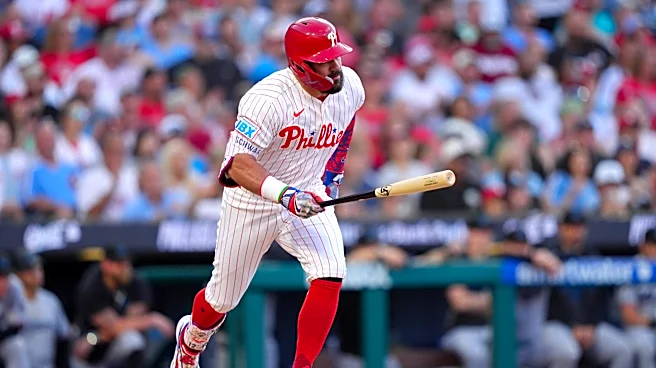
The Phillies, however, have not joined this trend (all stats prior to Friday’s games). They’ve attempted just nine bunts this season, the second-least in baseball, and laid down just three of them for hits; only two teams have fewer. Contrast with the Rays, who lead baseball with a whopping 56 attempts and 21 hits. The Rays braintrust is famously savvy; if they think bunts are the future, there’s good reason to believe it (though this point may be a bit less effective for this audience, given that Phillies fans are reminded of one of the Rays’ most infamous errors in judgment every fifth game). Tampa Bay is an outlier; the median number of bunt attempts this season is 22, and the median for bunt hits is 7. Still, that puts the Phillies decidedly behind average.
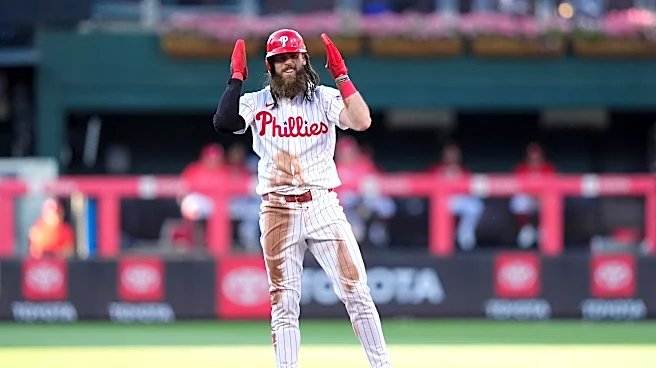
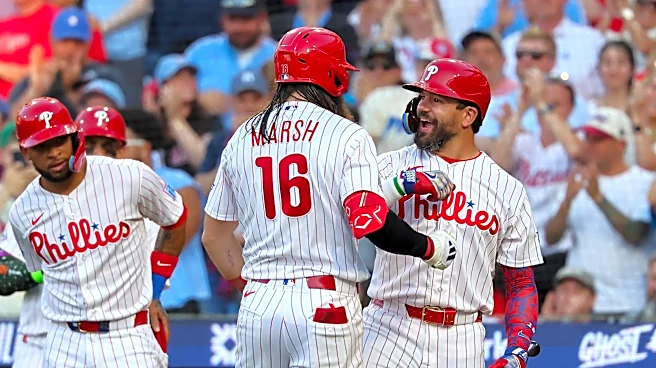
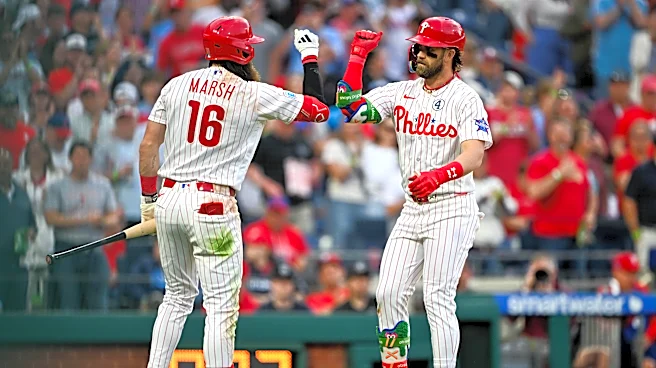
The tiny number of bunts attempted so far means that any attempt to explore how good the Phillies are at bunting is going to fall prey to small sample size. Still, we can note that their success rate on bunts is 33.3%, which puts them squarely in the middle of the pack. The lion’s share of the Phillies’ bunt attempts and successes have come from Justin Crawford, who has two hits on four tries. The other bunt hit came from Brandon Marsh, in his lone try. Bryson Stott and Garrett Stubbs both tried twice, to no avail. No other Phillies have attempted to bunt.
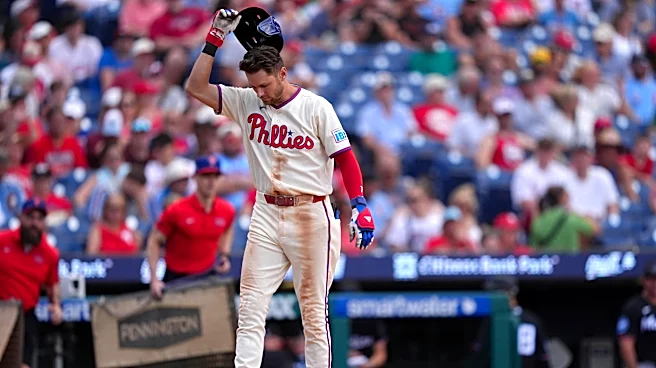
Of the Phillies who have joined Bunt Club this year, Brandon Marsh probably shouldn’t renew his membership. He’s pretty fast (74th percentile sprint speed), and solid at bunting (7 for 22 in his career) but he’s hitting well enough that there’s probably no need for him to lay down more. Bryson Stott might want to give it a whirl, though. Unsurprisingly for someone with his above-average speed, he’s good at bunting, having turned half of the 18 bunts in play across his career into hits. In the midst of a down season at the plate (.235/.291/.393, 87 wRC+), a successful bunt here and there would help him add more to the team’s offense. The same can be said of Justin Crawford, whose blazing sprint speed (96th percentile) no doubt explains why he’s bunted more often this season than any other Phillie.
What about the Phillies who haven’t attempted any bunts so far, though? Most obviously shouldn’t try it; they’re either not fast enough, or would be better off just swinging. But there is one candidate who should perhaps ask if bunting is right for him. When you think about it, it is somewhat odd that the fastest Phillie hasn’t attempted a bunt this season. Actually, he hasn’t attempted a bunt at all since 2019. Said fastest Phil would be Trea Turner, of course. As the fastest player on the team, and the fifth-fastest in baseball this season, he’s got the legs for it (the fastest, if you were wondering, is the fittingly and marvelously named Henry Bolte, of the peripatetic Athletics). And he’s done well with bunting in the past. He’s converted 9 bunts into hits out of 15 he’s put into play. 14 of those attempts came in 2018. He had no bunts at all in the first four seasons of his career. I assume that the explanation for the sudden change in 2018 lies with a managerial change: Dave Martinez took over for Washington that year and presumably put that strategy into place. I don’t know why it was suddenly abandoned afterwards; perhaps Turner was hitting well enough that the Nats felt it wasn’t necessary to do it anymore.
But, unfortunately, he is not hitting well this season. With a .223/.274/.334 slash line, Turner has struggled mightily with the bat. Bunting isn’t going to be a solution to that: even if deployed frequently and successfully, it won’t change the larger picture at the plate. Still, Turner’s speed makes the bunt an arrow in his quiver, and thus that of the Phillies. If Trea Turner were born a few generations earlier, he’d have been bunting all the time. The fact that he was born in a bunt-shy era, though, certainly doesn’t mean he has to avoid it. You can live in the modern day and still appreciate the pastimes that are, or at least seem to be, truly past. At least that’s what I tell myself before dropping $45 on a new record.