





Sunderland will begin their home league campaign against Fulham — a team that, last season, seemed to have our number.
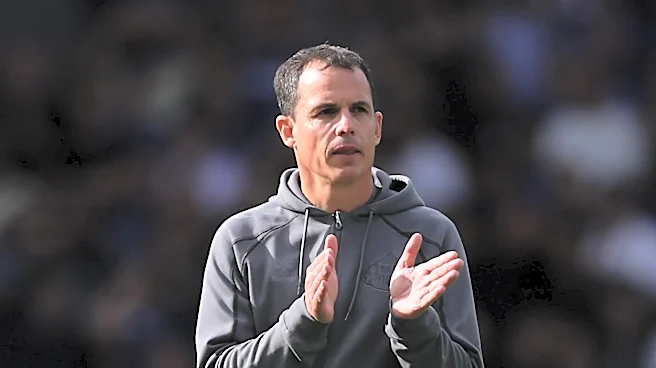
However, with a new manager, you wonder how differently this Cottagers side will line up under new boss and former Real Madrid star Alvaro Arbeloa compared to that of Marco Silva’s iteration of the West London side.
Fulham in profile: A summer of change in West London
Fulham finished eleventh in the 2025/2026 edition of the Premier League on fifty two points, and were the only side to do the double over Sunderland in the previous campaign.
Our opposition sold two of their star men in the summer: Raúl Jiménez to Wolverhampton Wanderers and Harry Wilson to Leeds United. However, the club have strengthened their forward line with the double signing of César Palacios and Gonzalo García from Real Madrid, as well as Shea Charles from Southampton.
The Cottagers’ previous league game ended in a narrow defeat to West London rivals Chelsea, losing 2-3 on the night before bouncing back in the League Cup on Thursday night with a comprehensive 3-0 victory over fellow capital city club AFC Wimbledon.

Tactics and talking points
Under Arbeloa, Fulham play a highly vertical, fluid and adventurous brand of possession football.
Departing from the more cautious sideways recycling seen under Silva, Arbeloa’s philosophy prioritises positional occupation, aggressive territorial gains and rapid vertical progression through the lines.
During goal kicks and first-phase build-up from the back, a defensive midfielder — most notably Sander Berge — drops between or alongside the split centre backs to form a temporary back three. A lone number six stays ahead of the back three to complete a ‘3+1’ structure, acting as the primary anchor to bypass opposition pressure centrally.
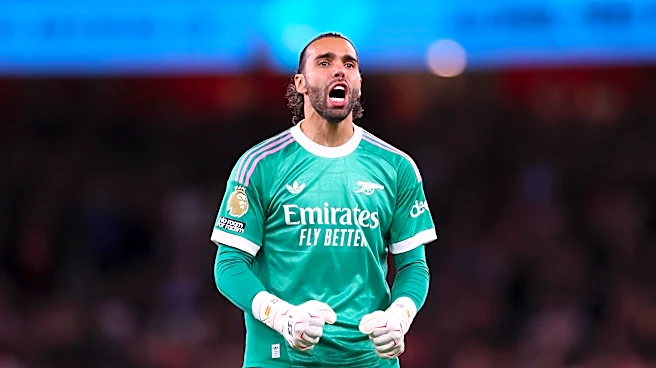
Goalkeeper Bernd Leno is instructed to play short passes whenever possible, initiating the passing sequence rather than launching long balls, and the team sets up with extreme width aligned with the halfway line. High-flying wing-backs or inverted full-backs alternate responsibilities; one often pushes high into the wide channel while the other tucks inside into the midfield or defensive lines.

In possession, the shape morphs seamlessly from a 4-3-3 base into a 3-4-3 or a heavily attacking 3-2-5. Two attacking players position themselves permanently in the ‘half-spaces’ to ensure that all five vertical attacking lanes remain occupied.
While the structural zones are strict, the individual identities are not, and midfielders such as Alex Iwobi and Oscar Bobb are given the freedom to swap positions dynamically, overloading the flanks and confusing defensive blocks.
Rather than slowly circulating the ball, Fulham intentionally play short central combinations to draw the opponent’s press forward. Once the opponent commits, they look for sharp, punchy, vertical passes directly through the central channel to split the defensive lines.
The system leans heavily on creative spark in advanced spaces — young midfielder Josh King operates with significant responsibility in the pocket, collecting line-breaking passes and quickly turning to feed inside forwards or striker Gonzalo García.
This creates an incredibly entertaining, chaotic game and by committing so many players forward into advanced zones to dominate territory, they look scintillating on the ball but remains highly susceptible to central counter-attacks if a pass is misplaced.

A Liverpool-inspired pressing system?
Out of possession, Arbeloa has organised Fulham into a high-intensity, aggressive Gegenpressing system heavily inspired by Jürgen Klopp’s Liverpool.
Instead of employing the rigid, deep-lying mid-block occasionally seen under Silva, Arbeloa demands relentless energy to disrupt the opponent’s build-up as close to their goal as possible.
Fulham initiate their high press using a structured, front-line approach nicknamed ‘Salta’. Central strikers such as Gonzalo García or Rodrigo Muniz coordinate with an attacking midfielder such as Josh King to form a two-man front press.
Their immediate goal is to shadow and suffocate the opponent’s deepest defensive midfielders, forcing opposing centre backs or the goalkeeper to play rushed, lower-percentage passes out wide.
They close down central corridors to channel the ball towards the touchlines, and once the opponent passes to a full-back or wide player, they trigger a collective squeeze with the winger, nearside central midfielder and high-pressing full back aggressively locking down the space and using the touchline as an extra defender to win the ball back deep in the opponent’s half.
To support the forward press and remain compact, Fulham’s back four positions itself very high up the pitch and centre backs including Calvin Bassey are required to step up physically and intercept direct passes before opposing forwards can turn.

Because full backs such as Antonee Robinson and Kenny Tete push incredibly highly to pin opponents down, they’re given immense physical responsibility to track back and recover if the initial press is bypassed.
Also, because Fulham commit so many bodies forward both in possession and during counter-pressing phases, a heavy defensive burden falls on the lone number six such as Berge, who must screen the back four entirely on his own.
If an opponent possesses the technical security to pass clean through Fulham’s initial press, the high defensive line leaves massive pieces of green grass behind it. This was evident in their chaotic 2-3 opening-day defeat to Xabi Alonso’s Chelsea, where rapid positional switches exploited the vacant spaces before the defence could fully reset.
Both sides are hunting their first win of the campaign, and Sunderland must start strongly against a Fulham side that’s deceptively quick on the ball.
Let’s make the Stadium of Light a fortress for our first competitive match since that historic afternoon against Chelsea in late May.