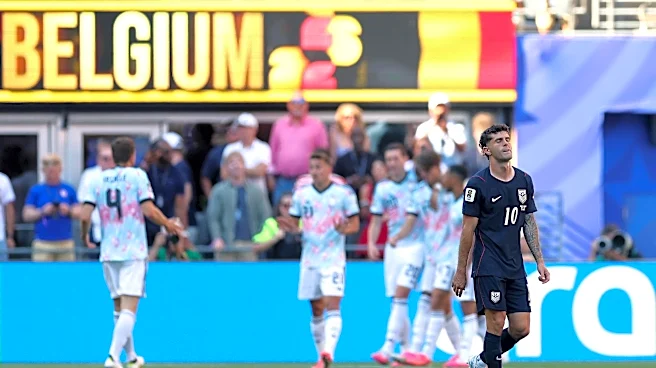





Following what might be the best performance by a USMNT side in a loss ever when the team fell to Belgium in the 2014 World Cup, a friend from Mexico said to me – “jugaron con ganas” – they played with desire. That team had immense belief, played with heart, and left everything on the field but their talent wasn’t able to overcome their opponents. Compared to them, this 2026 team didn’t lose to Belgium because their talent didn’t match their desire, they lost because they played like they were waiting
for something to go wrong.
Maybe it was the weight of the moment with high expectations playing at home, perhaps the recent memory of losing to Belgium in March was fresh in the players minds, maybe they were haunted by the work of René Magritte and the suggestion that things are hidden in plain sight and truth is an illusory concept where our identities are constantly shifting and never truly known until the ball goes into the net… or maybe the flaws of this team on the field and in their heads were flensed open like so many grey and humpback whales along the shores of the Olympic Peninsula.
These are not the unknown unknowns that create much foolishness among match preview writers. The fears around what might break this team were nightmares that finally came true. Across the field the issues that had been identified all cost the team in the match.
Starting in the back with goalkeeper; what a terrible moment for Matt Freese. He won the starting job but there was still debate about the team not having a clear no. 1 keeper and that doubt was persistent going into every game. Despite that, he had been up to the task until he turned a basic play into a tragic one – it’s a part of the game every goalkeeper experiences and one that his showing in the tournament didn’t deserve. It was yet another critical moment against Belgium where an individual player is in the spotlight for costing the team badly.
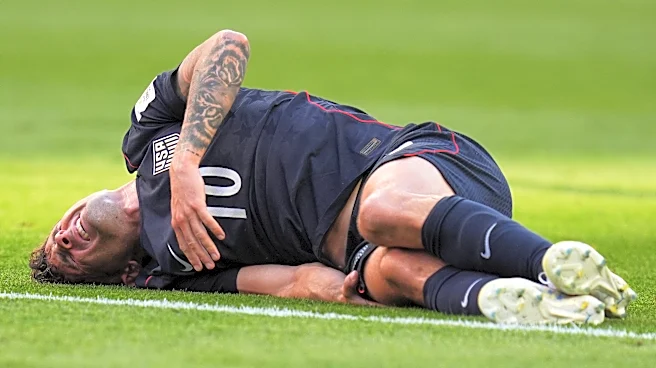
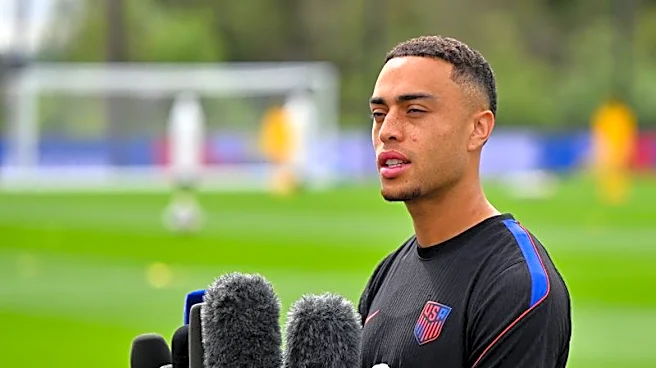
Then there was the defense where Tim Ream was physically out matched on the second goal – the veteran was in the right place, made the play as well as he could, but a bigger, younger, more talented, stronger player beat one at the end of his career while other options on the bench who were not able to claim a start over him watched. Fears around Sergino Dest being a one dimensional player came to life as his talent for skilled moves became a liability when the right flank became a turnover generator in possession and it was a relief when he came off at the half. Has anyone seen Christian Pulisic? We certainly haven’t seen him step up in a match against an opponent as strong as Belgium and Jedi was passing to a shadow for the hour he was on the pitch before coming off injured – eci n’est pas une superstar. Up top, Balogun wasn’t flowing into space and passes were not finding him as Belgium effectively sent him to Whidbey Island.
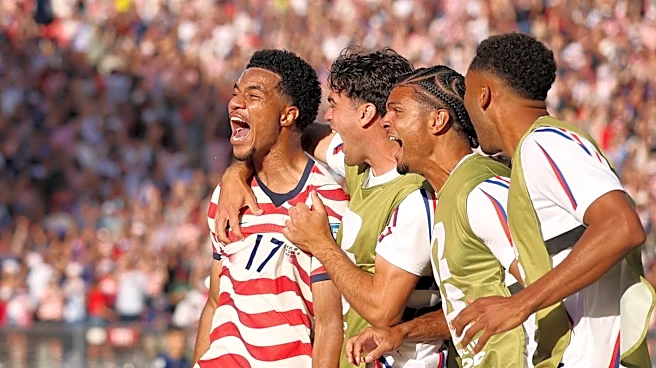
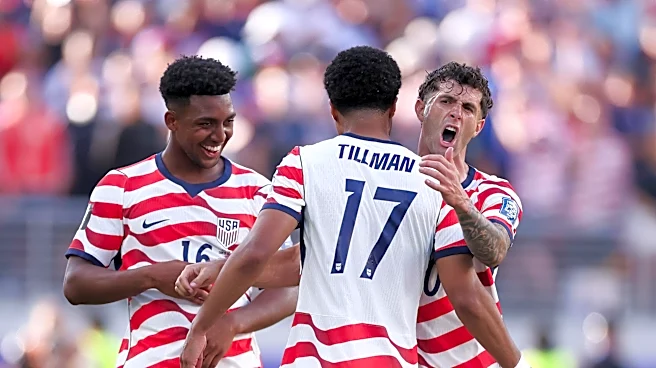
Meanwhile, Weston McKennie was everywhere, Tyler Adams held everything down as best he could and he was tremendous at it, Malik Tillman has solidly emerged as a nailed starter with an invaluable freekick ability, Chris Richards was his own best partner at center back, and for the 12 minutes before going down 3-1 in the second half Gio Reyna gave the midfield nearly what it needed in possession while Alex Freeman quietly had a solid game at center back and right back.
As a collective, there were the gritty tactical fouls toeing the line between being respectable and dirty, players notching up the intensity when needed, the nothing to lose mindset of an underdog, Americans getting in the faces of opponents to defend teammates, and the collective belief and performance that a shared goal being relentlessly driven towards was… well, it was once again worryingly absent from this generation of players.
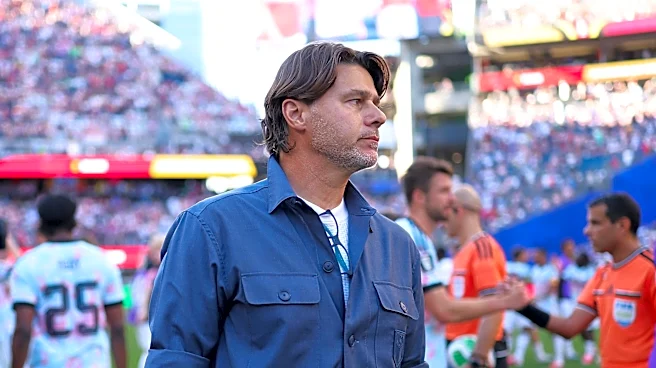
For his part, Mauricio Pochettino was as described. An attack minded coach from South America with a European pedigree and a hands off style outside of international windows. He had high demands for players on the training pitch, locker room, and the expectation that players would earn their place. While it can’t be said that he lost the locker room, it seems like he never had it. That hands off style made players need to get his attention, but it may have cost him in terms of creating an effective team culture and collective mindset that was lacking.
Poch got a lot right and his process paid dividends in the wins against Paraguay, Australia, and Bosnia and Herzegovina. He can’t really be faulted for asking the team to keep doing what worked against those opponents when they took on Belgium – especially since the team simply couldn’t be expected to play a more defensive style. He also made the right move with the tactical shift in the second half of the loss to Belgium to give the team more energy and momentum. In the end, the overall performance was lacking and when the team needed to shift from being favorites to underdogs they came out flat and were never able to recover.
It could be argued that this was a winnable game, but there isn’t anything in the overall performance that can support that. To win they would have needed something special along with luck and the team didn’t get its white whale on the day. There also isn’t anything in the recent history of the USMNT against teams in the top 10 FIFA rankings to say that the Stars and Stripes are going to be able to beat teams like Belgium in the future unless something dramatically changes.
What we learned is that the most talented group of American men to ever play in a World Cup didn’t have the mentality that showed itself in small but meaningful ways 12 years ago: tactical edge, team spirit, physical commitment, defending teammates, and embracing the underdog role. Arguably, it’s a quality that the team has lacked since that fateful October night in Trinidad & Tobago nearly a decade ago. Until the team’s culture and mindset change, there’s little reason to expect different results on the biggest stage. While we’re discussing what we learned, we might as well still be asking: What are we doing?