
With the NFL officially announcing a significant increase to the 2026 salary cap to approximately $303.5 million, teams across the league are recalibrating their offseason strategies, and the Jacksonville
Jaguars are no exception. As it stands, Jacksonville is projected to be roughly $9 million to $11 million over the cap ahead of the new league year, which begins on March 11. While that figure may initially raise eyebrows, it’s far from a crisis, as in today’s NFL, being over the cap in February is often more of a starting point than a setback.
As shown above, Jacksonville is currently one of 12 teams over the cap, including the Chicago Bears, Buffalo Bills, Detroit Lions, Houston Texans, Green Bay Packers, and others (per Spotrac). The team has multiple avenues available to create financial flexibility, with simple restructures, extensions with void years and/or option bonuses, and strategic veteran extensions all being possibilities to quickly shift the team’s books from the red to having breathing room.
Restructures
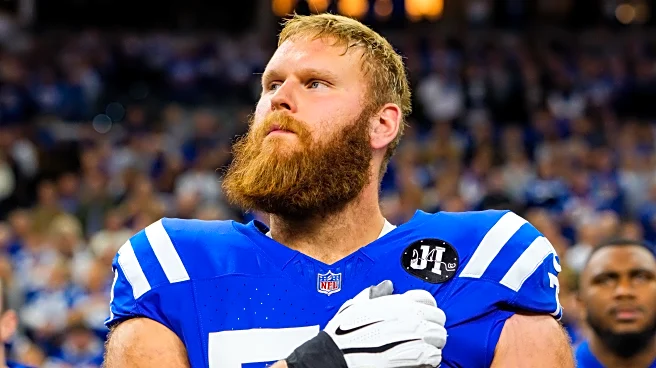
By restructuring defensive tackle Arik Armstead, the team has the ability to open up $9.7 million in cap space. While trading or cutting Armstead has often been a subject of dispute within the fanbase, such a move would leave a void within the interior pass rush while saving the team $14.4 million against the cap as a June 1st cut or trade. The front office could also opt to restructure right guard Patrick Mekari the team could open up $7.5 million in cap space in 2026 by converting some of his base salary into a signing bonus, spreading the cap hit out to future seasons. In terms of restructures alone, the team has the flexibility to open up $34 million in cap space.
- DT Arik Armstead ($9.7M)
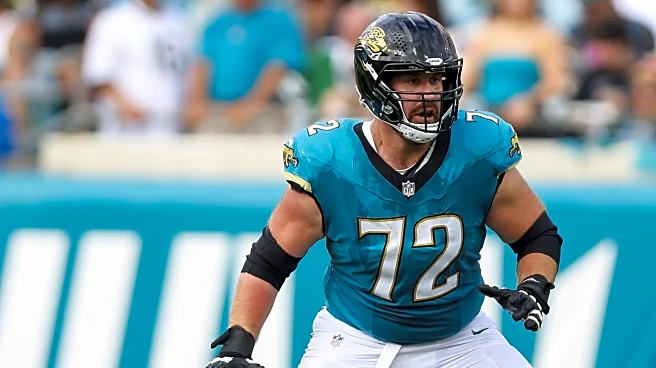
- OL Walker Little ($7.7M)
- LB Foye Oluokun ($6.1M)
- LG Ezra Cleveland ($5.6M)
- DT Davon Hamilton ($5.0M)
- DE Josh Hines-Allen ($4.9M)
- RG Patrick Mekari ($4.8M)
These restructures alone would bring Jacksonville into the black on salary cap space, with $23 to $25 million in total cap availability. Notably, the team also has the ability to gain $7.2 million in cap space by trading offensive lineman Walker Little, instead of a restructure. The team gains $11.9 million in a post-June 1st trade scenario, adding another $4 million of possible cap space. The team, additionally, has 10 or more other contracts able to be restructured for smaller amounts than those noted above.
Extension Candidates
Following any of the above restructures, Jacksonville also has several core players who are candidates for early extensions, which allows the organization to smooth cap hits over future seasons before market prices climb even higher. We take a look at a few Jacksonville roster options for the coming month.
Defensive tackle Travon Walker is currently slated to play on a fully guaranteed $15.2 million fifth-year option in 2026. However, if the Jaguars choose to sign him to a long-term extension before then, they could create significant short-term cap relief, freeing up as much as $11.1 million of that 2026 figure alone. According to Spotrac, Walker’s projected market value sits around five years, $120 million (approximately $23.9 million per year), based on age and production comparisons to players like George Karlaftis and Brian Burns. At that average annual value, Walker would rank 14th among NFL edge defenders in yearly salary. Jacksonville would be committing top-15 money to two defensive ends at the same time, with Hines-Allen currently ninth in annual pay and Walker projected 14th.
Tight end Brenton Strange is also set to enter a contract year in 2026 after posting a career-best 46 receptions for 540 yards in 2025. Spotrac projects Strange’s market value at roughly four years, $48 million, with an average of $12 million per season. He currently carries just a $2 million cap hit in the final year of his rookie deal, so an extension would represent a noticeable increase. That said, depending on how the contract is structured, his 2026 cap number may only see a modest bump, potentially even seeing no 2026 change in the current season. Strange, along with receiver Parker Washington, is eligible for an extension at the start of the new league year.
Speaking of Washington, Parker is set to enter the final year of his rookie deal in 2026, carrying a $3.6 million cap hit. With a contract year ahead, his market value, according to Spotrac, is projected to command roughly four years, $56 million on an extension, averaging $14 million annually. If Jacksonville chooses to get ahead of the market and extend him, the impact on the 2026 cap would largely depend on the structure. By utilizing signing bonus proration or even void years, the Jaguars could keep his first-year cap number relatively low. At worst, his 2026 figure would see only a slight increase from the current $3.6 million. At $14 million per year, Washington would rank around 28th among NFL wide receivers in average annual salary, solid WR2 money in today’s market, without venturing into the elite-tier price range.
Safety Antonio Johnson is heading into year four after finishing the 2025 season as one of PFF’s top-rated safeties, boosted significantly by his five-interception campaign. With momentum on his side, he now enters the final season of his rookie contract carrying a base salary of $1.145 million and a cap hit of just $1.22 million. According to OverTheCap, Johnson’s current market valuation sits around $9.9 million per year. When compared to safety contracts across the league, that figure would slot him approximately 22nd among NFL safeties in average annual value, just ahead of former Jaguars safety Andre Cisco.
In lieu of restructuring left guard Ezra Cleveland, the team could opt to extend the veteran offensive lineman who enters the final year of his three-year, 2024 extension. Cleveland carries an OverTheCap market valuation of approximately $11.6 million per year, which is almost identical to his current 2026 cap hit of $11.4 million. At that annual average, Cleveland would rank as the 11th-highest paid left guard in the NFL. This route would open up $6.0 million in cap space, a higher amount than the $5.6 million from restructuring.
Similarly, instead of restructuring to open up $5 million in cap space, the team could opt to either extend, trade, or outright cut defensive tackle DaVon Hamilton. Should the team heavily invest in the interior defensive line in the 2026 draft, a post-June 1st trade or release saves the team $8.4 million in cap space. In terms of an extension, Hamilton carries a projected market value of roughly $11.5 million per year, while his current 2026 cap hit sits at $12.4 million. This projected market rate ranks 32nd among NFL interior defensive linemen and would allow Jacksonville to open $5.3 million in cap space through an extension.
With tough decisions looming for cornerback Montaric Brown, linebacker Devon Lloyd, and running back Travis Etienne, the Jaguars face a critical choice: create cap space to retain their homegrown stars or redirect those funds toward pursuing an impact free agent in the trenches. As it currently stands, the Jacksonville has multiple pathways to create between $30 and $60 million in cap space this offseason. The flexibility is there. The question is how aggressive they’re willing to be to unlock it. Almost every lever they can pull comes with some degree of long-term risk to the roster or future financial flexibility. So what’s the right balance, Duval? Which direction would you take?