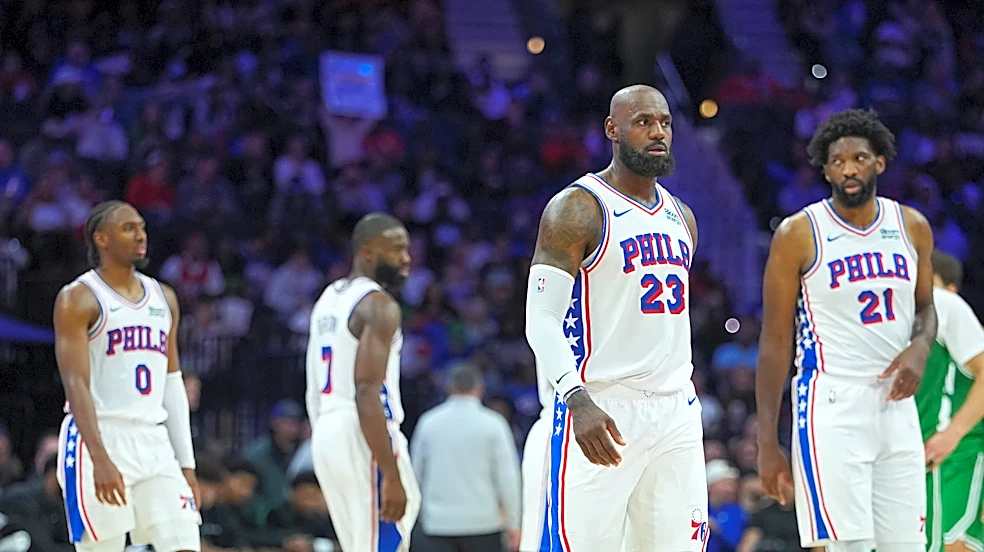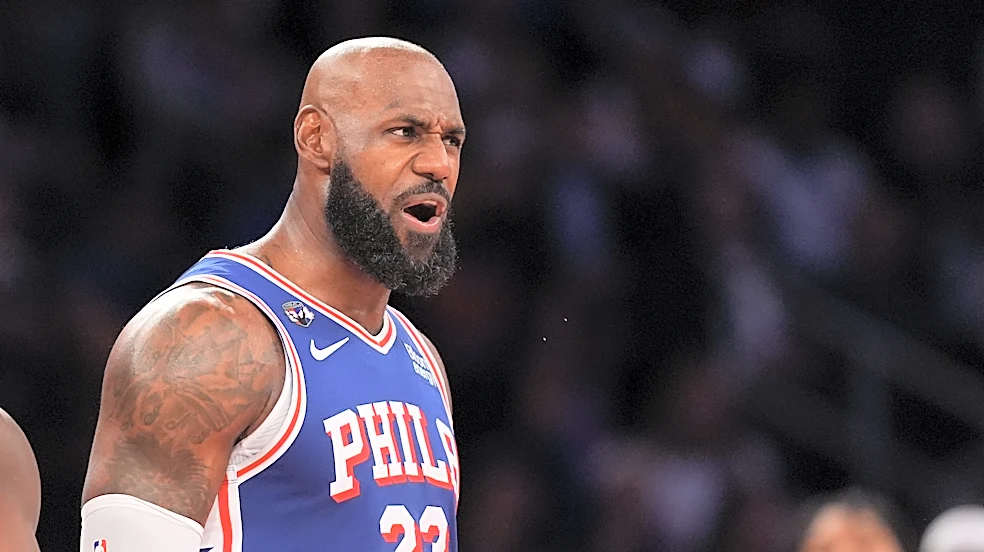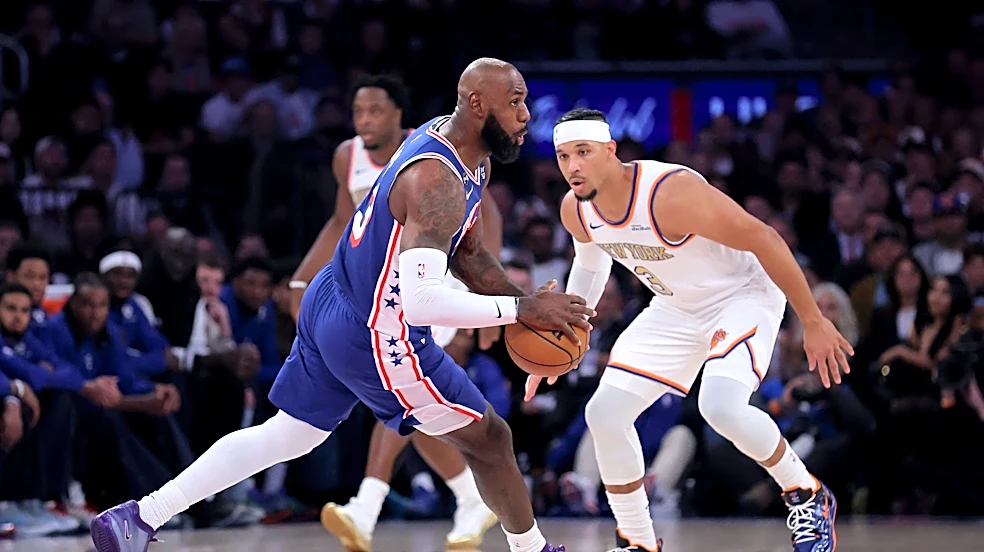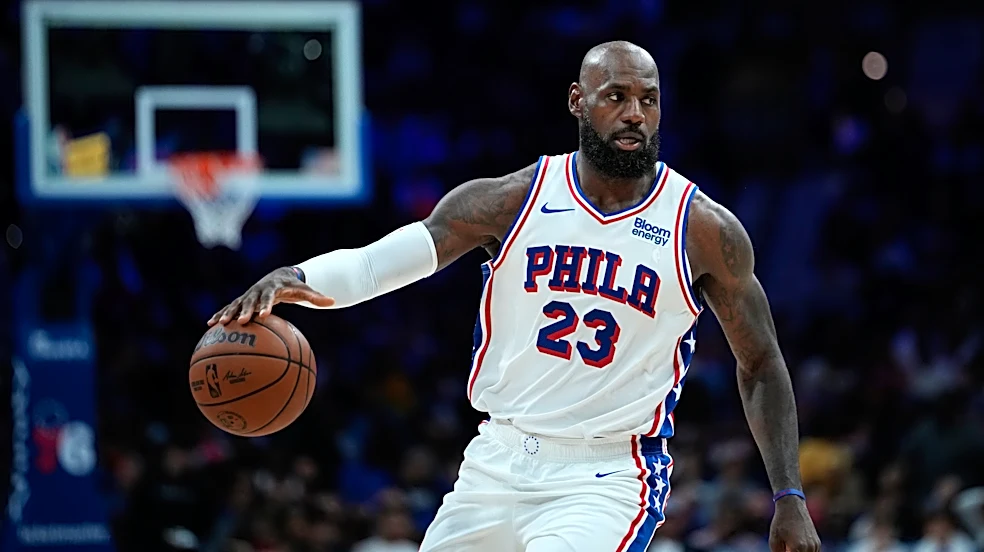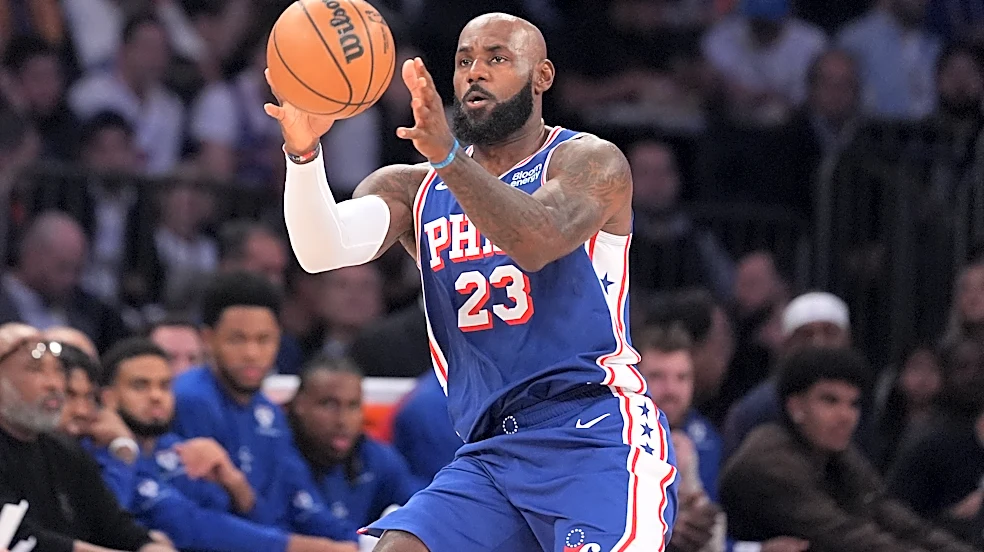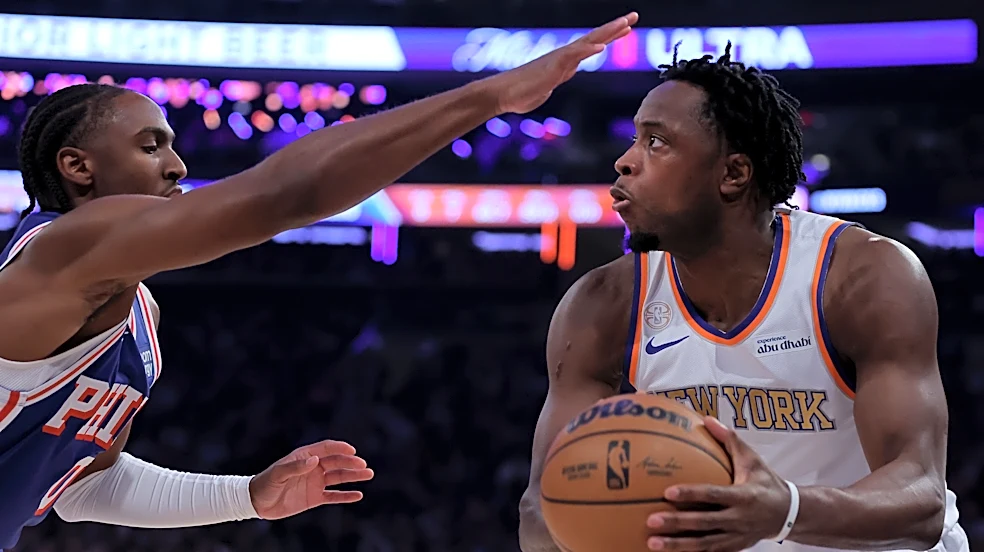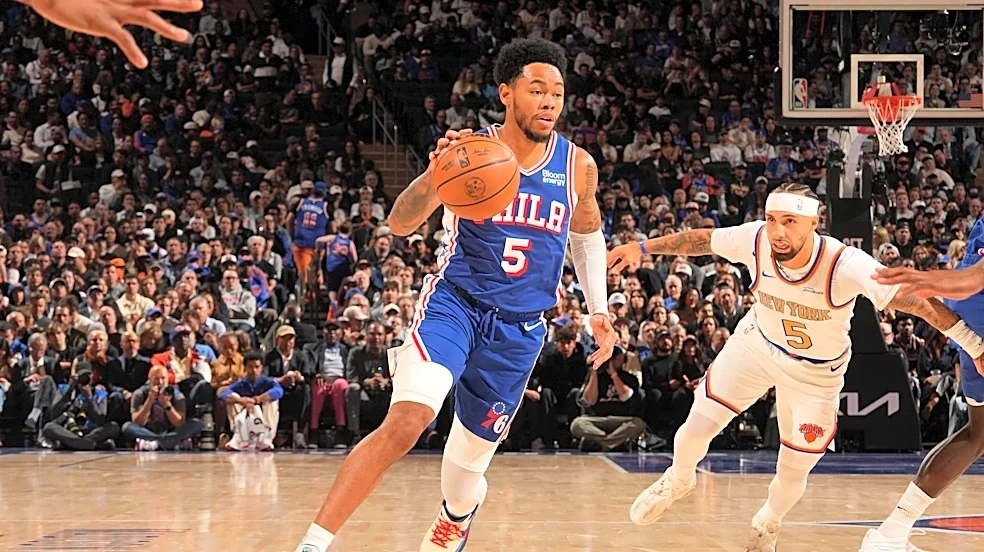



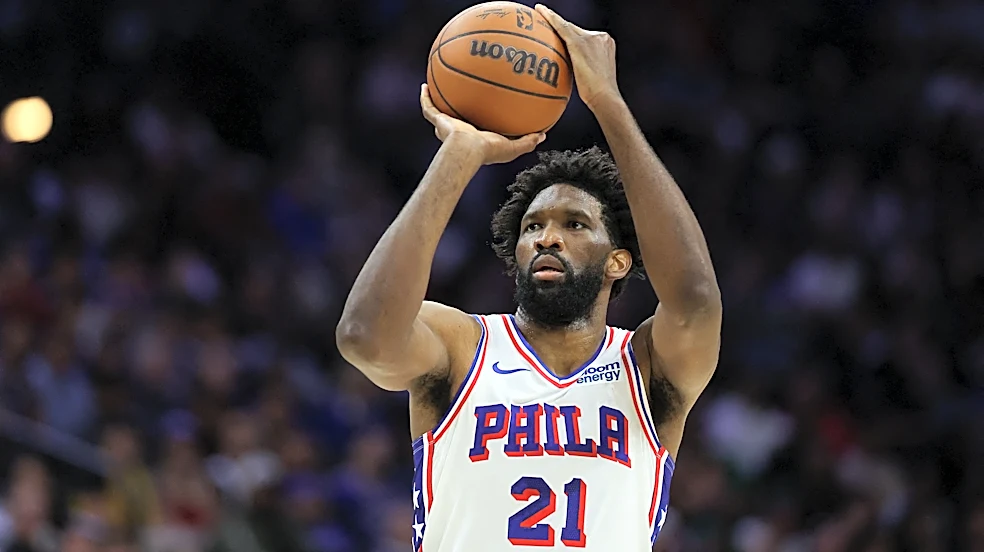

It was only one night, but beating the reigning NBA champions on their ring night was one hell of a way for the new-look Sixers to start the season.
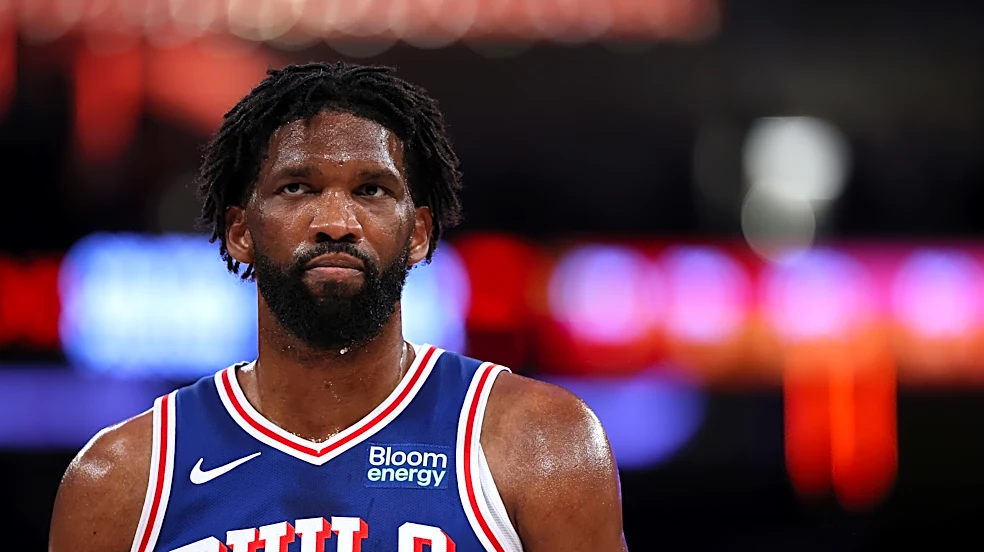
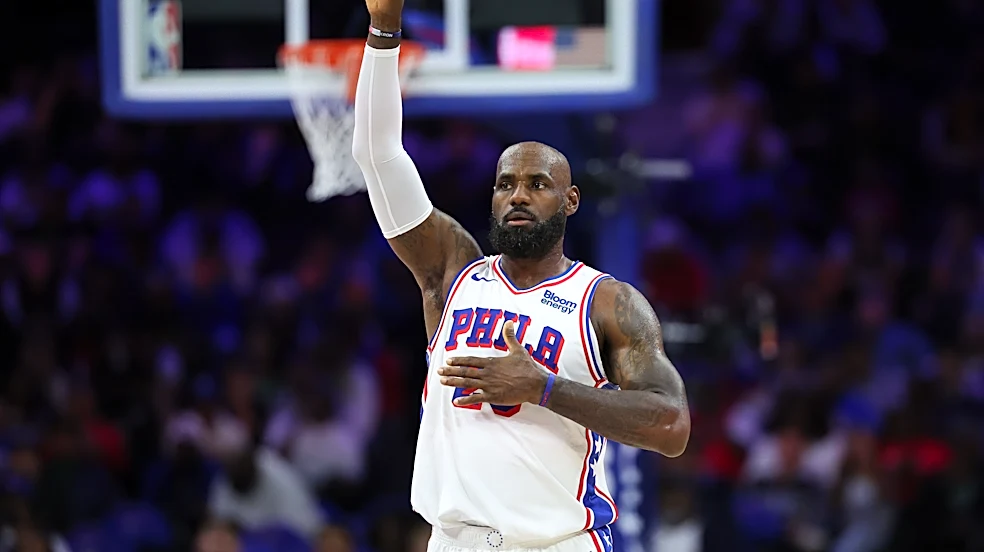
Unsurprisingly, the Sixers’ starting five led the way. Tyrese Maxey had a team-high 28 points to go with five assists, four rebounds, three steals and three blocks. Jaylen Brown (19 points, eight rebounds, six assists) and LeBron James (14 points, nine rebounds, seven assists) delivered well-rounded performances. Joel Embiid couldn’t buy a bucket for most
of them game (13 points on 4-of-15 shooting), but he looked more spry defensively than he has in years. And while VJ Edgecombe was relatively quiet (nine points, four rebounds, one assist), he made his impact defensively by harassing Finals MVP Jalen Brunson all night.
The offseason concerns about alphas were nowhere to be found Tuesday night in Madison Square Garden. While the Sixers might not maintain that level of defensive focus against the Sacramento Kings on a random January night, they showed a higher ceiling on that end of the floor than expected, too. (The concerns about their three-point shooting and their rebounding… that’s a different story.)
But while the starting five will command a majority of the headlines coming out of the season opener, Anfernee Simons and Kentavious Caldwell-Pope gave Sixers fans even more reason to believe that this year will be different than years past.
In 25 minutes off the bench, Simons had 13 points on 5-of-10 shooting (including 3-of-8 from deep). KCP was more up-and-down, but he hit a pair of key triples in the fourth quarter and finished with 10 points, four rebounds, one assist and one block in 26 minutes. That was a stark contrast from last season, when the Sixers got precious little from their bench against the Knicks in particular.
In Game 2 of their second-round series (which they lost 108-102), Quentin Grimes, Dominick Barlow and Adem Bona combined for 15 points on 4-of-7 shooting. In Game 3, a 108-94 loss at home that effectively ended the series, the Sixers’ bench combined for 11 points. Grimes had six points on 2-of-6 shooting, Barlow had two on one shot attempt, and head coach Nick Nurse didn’t play any other reserve more than four minutes.
Granted, starters’ minutes tend to increase in the playoffs, particularly in close games. The Sixers’ bench feasted in garbage time in Games 1 and 4 of that series. But when the games were competitive, it was almost entirely on the Sixers’ starters to take care of business.
When healthy, that shouldn’t be the case this season.
While LeBron downplayed concerns about the Sixers’ long-range shooting after the game—they finished 11-of-40 from deep against the Knicks—Maxey is the only knockdown shooter in their starting five. LeBron, Brown, Embiid and Edgecombe aren’t total non-factors from deep, but none of them are particularly high-volume, efficient three-point shooters.
Whenever Simons and KCP are in the game, they’re going to be a release valve for the Sixers’ offense.
“Big shots by [Simons],” Maxey said after the game in reference to the trio of triples Simons knocked down in the third quarter that put the Sixers ahead. “He did a good job. We’re looking for him. When he gets in the game, we’re hunting for him. We want him to hunt his shots, and he did a good job with that tonight.”
“I thought we were generating a bunch of wide-open threes and just nobody could throw it in,” Nurse added. “And those guys kind of broke through on that and moved the scoreboard for us. And, I mean, it’s one of those things, if you’re making the right reads, and it’s a kickout, catch-and-shoot three, you’re gonna have to keep taking them all night, whether you’re making them or not. And it was good those guys kind of broke the seal open a little bit.”
Additional reinforcements should be on the way soon, too. Dean Wade missed the season opener with the ankle injury that he suffered in the preseason against the Boston Celtics, but he was questionable heading into the game, which suggests it isn’t a long-term issue. Barlow is out for at least two weeks with a “lumbar spine bone stress response,” but his eventual return should help fortify the Sixers’ frontcourt as well. The same goes for two-way signee Tacko Fall, who’s been out with a hip injury.
Wade in particular should be connective tissue for the Sixers thanks to his defensive versatility and three-point shooting. If long-range shots aren’t falling for the starters, he’ll be another plug-and-play option whom Nurse can call upon. Wade has never averaged more than six points per game in any of his seven NBA seasons, so he isn’t likely to emerge as a high-volume scorer in Philly, but he’ll still have value on offense if he spaces the floor and knocks down an open three or two every game.
One of the many benefits of having such a star-studded starting five is that Nurse can stagger his starters and still ensure that he has go-to options on the floor at all times. As defenses sell out to stop them, it should lead to wide-open shots for the likes of Wade, Simons and KCP. As Nurse said Tuesday, the key will be to keep firing away and, ahem, trusting the process even when the shots aren’t falling.
Even the most dynastic superteams in NBA history have needed their role players to come through in big moments on occasion. Robert Horry, Steve Kerr, Derek Fisher and plenty more were key contributors to championship teams. KCP himself has filled that role for two different title winners.
It’s only been one game, but Simons and KCP making that kind of an impact off the bench for the Sixers against the Knicks was validating nevertheless. If the Sixers get actual production from their reserve unit this season, they’ll deserve to be taken that much more seriously in the title conversation.
Unless otherwise noted, all stats via NBA.com, PBPStats, Cleaning the Glass or Basketball Reference. All salary information via Spotrac and salary-cap information via RealGM.
Follow Bryan on Bluesky.