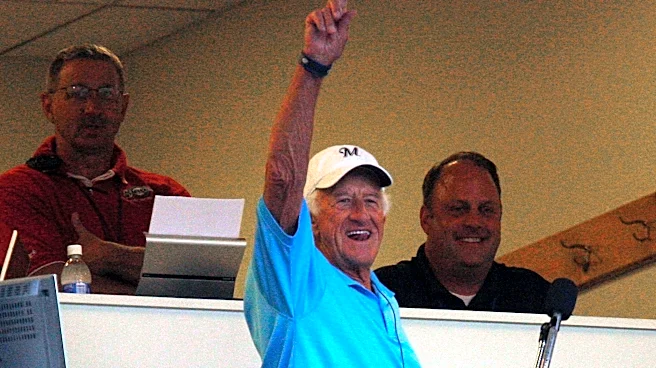



Bob Uecker was a man of many talents, although he would have denied it.
Uecker spent six years in the big leagues, even winning the 1964 World Series with the Cardinals. He became a regular on The Tonight Show with Johnny Carson, starred in Mr. Belvedere, appeared in countless commercials, and played perhaps the most famous fictional baseball broadcaster of all time in Major League.
And, of course, he spent more than half a century calling Brewers games.
“Ueck”, the new documentary about Uecker’s life,
touches on all of it. Much of the first half-hour or so of “Ueck” will feel relatively familiar to Brewers fans, replete with some of the most iconic Uecker moments — Tonight Show clips, Miller Lite commercials, his Hall of Fame induction speech, even the time he got choked out by Andre the Giant on live TV.
Those stories are accompanied by newer footage recorded in the final years of Uecker’s life: 90-year-old Uecker pulling up to the stadium in his blacked-out Corvette, cracking jokes with Vinny Rottino in the broadcast booth, and sharing a (now less) private moment with Christian Yelich in the locker room.
The documentary moves back and forth between those two versions of Uecker, centering the story of his life within the context of his final years. We see him, and others, discuss his 2023 lung cancer diagnosis. We see him around the clubhouse with current Brewers players. We hear Robin Yount talk about arriving in Milwaukee as an 18-year-old and having Uecker take him under his wing.
All of that eventually leads to a scene in the Brewers’ locker room where Uecker quietly shares his diagnosis with Yelich. That scene — along with a couple of others — is where the documentary stops showing us “Mr. Baseball” and starts showing us the man underneath.
Another example comes after the Brewers are eliminated from the 2024 Wild Card Series — Uecker’s final broadcast, though nobody knew it yet. He signs off with what would become his last words on a Brewers broadcast — “That one had some sting on it” — and the camera stays on him.
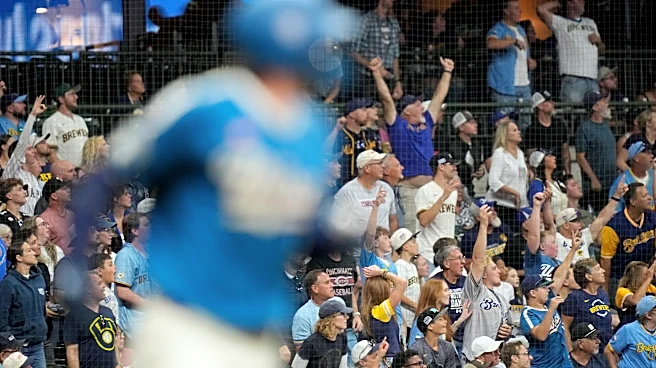
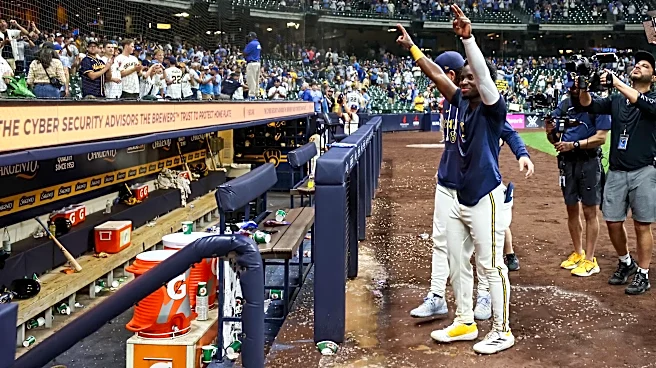
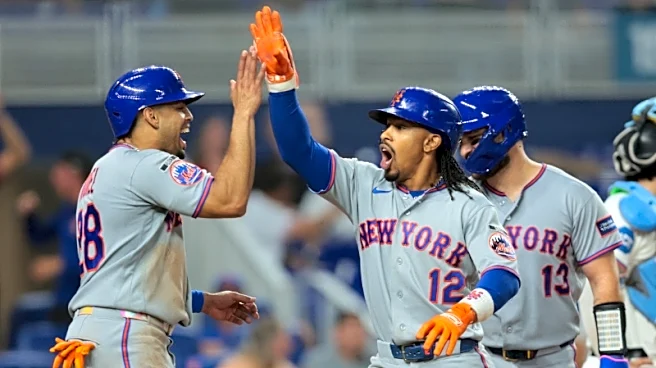
Playoff baseball games are an ecosystem in and of themselves, teeming with energy and alive with movement. Amid the chaos, the throngs of fans rushing for the exits, and the visiting Mets celebrating, Ueck just sits there, quiet, still, staring off into space. Whether or not he knew for certain that it was over, watching it now, we do.
And yeah, I cried a little.
Only a couple of people had any sense that it might be his last game. One of them was Yelich, who — with tears in his eyes — explains that, with the benefit of hindsight, he knew it would be Uecker’s last call. After all his years with the Brewers, there was no storybook ending waiting for Uecker that night, no World Series championship or carefully planned farewell. At the time, nobody watching really knew they were hearing him call a baseball game for the final time.
And that hindsight, more than anything, is what makes the footage from the final years of his life so special to watch now. Brewers fans knew Uecker was getting older. We knew he had health problems. What we didn’t normally get to see was this version of him — away from the broadcast itself, the commercials, and the public appearances. We see him come straight to the ballpark from radiation therapy, unable to get out of his car without assistance and visibly ill in the booth, but then — as he always did — put on the headset and call a darn good baseball game.
Continuing to be Bob Uecker in his final years took an immense amount of strength, but he did it anyway. He could have easily taken the rest of the season off, but he didn’t. He wanted to be in the booth. He wanted to call Brewers games for as long as he could.
And maybe that’s why one line from earlier in the documentary stuck with me more than anything else.
Uecker had played major league baseball, become a television star, made movies, and become famous well beyond Wisconsin. Most people would probably consider any one of those things the accomplishment of a lifetime.
Uecker had other priorities.
“All that other stuff’s fun,” he says. “But I wanna come back here and do baseball.”
It’s easy to watch this documentary and be sad. Brewers fans are still mourning the loss of Uecker, one of the greatest announcers of all time, by all accounts a genuinely great human being, and a proud member of the Brewers organization.
But another thing the documentary makes clear is that Uecker’s impact survives him. In Yount’s words, he was “everybody’s best friend.” Whether you were a security guard or an MVP, he would stop, share a laugh with you, and then continue on with his day. That builds a culture, especially over more than 50 years.
When Uecker called his first Brewers game, in the second year of the franchise’s existence, they were an expansion team in a market that had already lost a major league franchise. As the documentary mentions, there was some doubt as to whether Milwaukee was a big enough city to keep a baseball team.
Uecker could have called Brewers games for five years, then applied to the Yankees, or gone and been an actor. But he didn’t. He loved Milwaukee, he loved the Brewers, and he built a community here — one that will survive without him.
Thank you, Bob.
“Ueck” is currently showing in select Wisconsin theaters