





It was in June last year, when I knew. That day, I decided to test my extremely ambitious then 11 year-old’s ability to handle pressure. Technical skills, vision and talent is great in sports, but it means nothing if you can’t handle real pressure. If you fold when it counts, you are not ready and may never be.
His team had the chance to win a football tournament, and this last game would decide the outcome. The game didn’t start well, and with five minutes left, they were down 0-2. He was their top
scorer, their leader and their best player. Whatever he did, they followed. And it was at that point, I decided to put into practice the mental coaching I’d been doing with him to test his ability to handle this moment. “This is it!” I yelled to him. “There’s still time. Go for it, this is it!”
He knew what I meant. We had talked about becoming bigger in the big moments and that he had what it takes. And he stepped right into it. With three defenders on him, he managed to fight his way to a goal inside the box within a minute. Wow, test passed, I was exhilarated. But he wasn’t done. He quickly created another shot on goal for his teammate, but it missed.
But he was a kid who had been longing for challenges and pressure, and he wasn’t about to let this one go. Next attack, he managed to take the ball into the box, and halfway falling, he kicked the ball over the line once again. Tie game with 30 seconds left, first place on goal count. The parents erupted into cheers, the referee even came to give him a pat on his back in acknowledgment. This was the day I knew he could handle whatever pressure his extremely competitive sport would throw at him, that he had it in him to become a special player. Six months later he became the starting offensive midfielder at an elite talent academy.
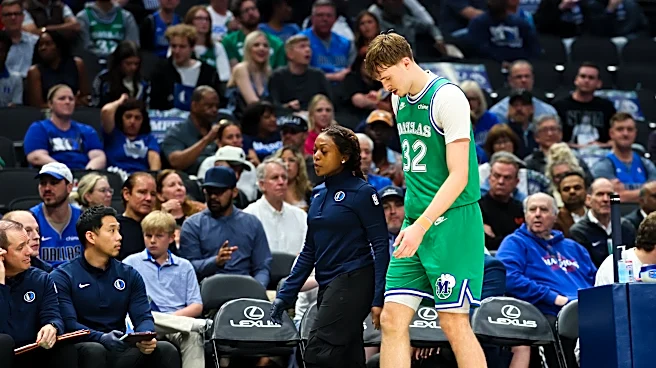
I was reminded of this, when Kyrie Irving in the last Dallas Mavericks game this season, narrated a short film about Cooper Flagg’s ability to handle exactly that: pressure. It was a touching tribute, part of the team’s campaign for Flagg to win the Rookie of the Year award, but it was also a reminder of what it takes to be great.
It’s not just about numbers, it’s about moments.
“Greatness isn’t forged in the spotlight. It’s shaped in the quiet. In the rhythm of showing up every day. They counted you out too early. They even questioned if you were built for it. But even with the weight of expectation, you never flinched.
Pressure. A place where doubt lives and most fold. But you. You found peace there. Ain’t no pressure. What pressure?”
What pressure? The ability to handle pressure is that last layer of special and mental skill an athlete needs in order to be great – to be the best.
It is a thing scouts look for in every sport: How do you handle pressure? How do you handle failure? How do you react to adversity?
Most athletes look great at practice, they know how to work hard, it’s their safe space. But how do they look in games? When a scout comes by? When expectations rise because you want something so bad? When the lights get bright, it’s not for everyone. Not even professional athletes.
Athletes usually don’t use those words, they tend to use phrases like ‘we need to go back in the lab’ or ‘we didn’t have it today’. But in one memorable moment after a lost playoff series, Jarrett Allen famously didn’t shy away from the reality of the moment and became an instant meme:
Not folding under pressure or the bright lights becomes so much more impressive, when you’ve been in similar situations yourself. Whether you’ve played competitive sports and either failed or thrived under pressure (usually both eventually) – or in everyday life situations like job interviews, presentations or just when you want to come off the best way possible.
Pressure can be crippling. It can freeze you, start your fight-or-flight and push you into survival mode – and make you shy away from anything uncomfortable. But if you manage to change it around – to switch the narrative you’re telling yourself – and make it an opportunity rather than a trap to fail, you have mastered something life-altering: Your thoughts and thinking patterns.
You see, if you, like Kobe Bryant said, think of it as an opportunity to shine, you start walking towards pressure instead of avoiding it:
“Everything negative – pressure, challenges – is all an opportunity for me to rise”.
And interestingly, when you start having successful experiences under pressure, your mind starts believing that’s the norm, that’s who you are. You start telling yourself that you thrive under pressure. And you know what happens? You start thriving under pressure.
This goes for normal life pressure, as well as high performing athletes. When my son was reminded that NOW was the chance, this was his opportunity to rise to the moment, to the occasion. He got so excited that it had finally come that he seized it with the purest joy of a child who loves his sport. There is no fear in that place, only peace and joy.
When Cooper Flagg plays basketball, he thrives on pressure, too. Like Kobe Bryant, he relishes in the small opportunities to rise to the challenge.
– Youngest player in NBA history to score more than 50 points in a game.
– Led the Dallas Mavericks in four categories: points, assists, rebounds and steals as the first rookie since Michael Jordan.
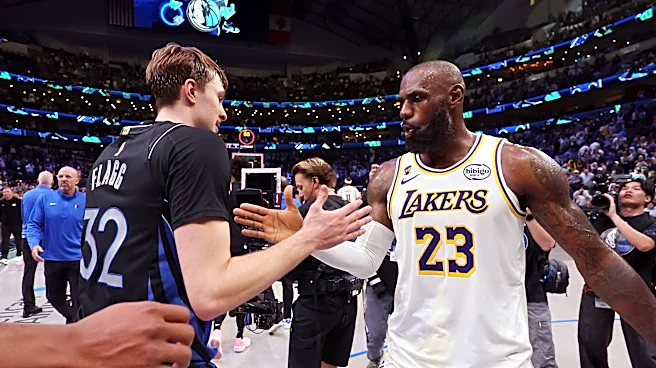
– Surpassed LeBron James for most 40-point games as a teenager in NBA history.
And the list goes on and on.
Ever since Cooper Flagg was a kid, he took the challenge and rose to the occasion. The more pressure, the better. We’ve seen that all season in Dallas, and when it’s time to play the biggest games of all, games that make or break careers, we know that Cooper Flagg is ready.
Pressure is a place where doubt lives and most fold, as Kyrie said. But Cooper Flagg found peace there. Ain’t no pressure for the best of the best.