




The NFL Draft is a microcosm of where an organization stands in its roster development. Some teams are actively unshackling themselves to their expensive, ball-and-chain veteran contracts. Some are desperately building around a veteran QB.
The Houston Texans fall into the group of teams operating in a win-now window, where the focus shifts from broad roster building to targeted refinement. Rather than chasing overall value, they prioritize specific roles and scheme fits that can immediately elevate
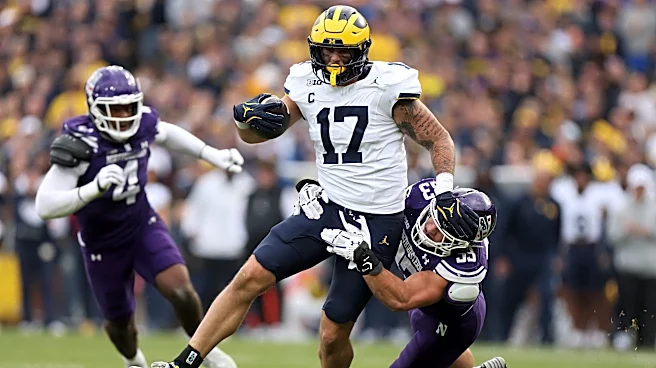
the roster. That level of specificity naturally changes how they evaluate talent, placing a premium on players who fit their exact needs over those who may rank higher in a more generalized league-wide assessment. Such value differentials creates surprising draft choices, such as the one the Houston Texans made when they selected Marlin Klein with the 59th pick in the 2026 NFL Draft.
Beyond the scouting profiles, the film studies, and the prognostication, the decision to select tight end Marlin Klein is financially, statistically, and strategically bewildering decision.
Financially, Klein is far-and-away the longest-term investment the Texans have in the pass-catching department. While his salary is still being finalized, he will be under contract through 2029; a full two years more than any other competitive (excludes UDFA Layne Pryor) tight end on the roster. It’s a clear sign of Houston’s long-term intention to develop Klein into the multi-faceted, scheme versatile player.

Whether it was a wide receiver or tight end, the Texans desired a long-term offensive weapon to bridge the gap between their current contracts and their expensive extensions. Spotrac’s illustration of the multi-year contracts outlines the Texans’ startling lack of depth after 2028.
Based on his draft profile, tight end two is the best Marlin Klein can hope for. He’s not an elite pass catcher, which will limit his ceiling and not let him progress past a complimentary TE.
Statistically, the average output for a tight end two in 2025 was 30 targets, 21.6 receptions, 214 yards, and two touchdowns, per Fantasy Pros. That’s just over one reception and one first down per game from the average NFL TE2. It’s hard to argue that level of impact is worth the fifty-ninth pick in the NFL Draft.
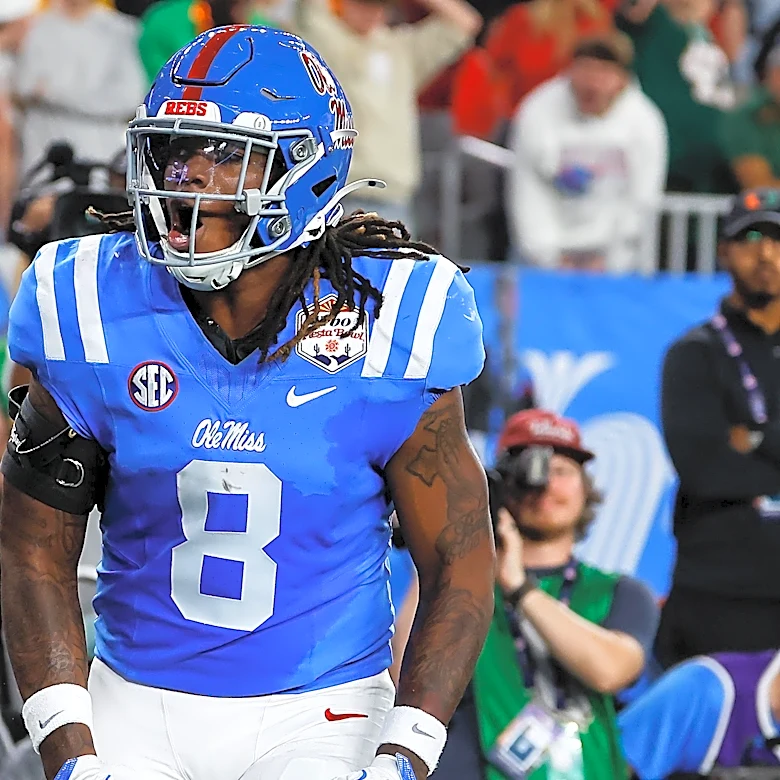
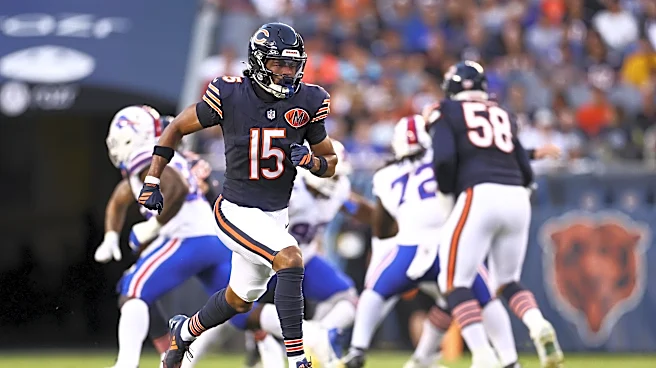
The NFL Draft is about accumulating talent, but also finding value at positions of need. The argument here is the relative value of the pick far outweighs the impact Klein will have on the offense. Pair that with the elite-level talent still on the board such as Anthony Hill Jr., WR Malachi Fields, or A.J. Haulcy, and the decision becomes quite questionable.
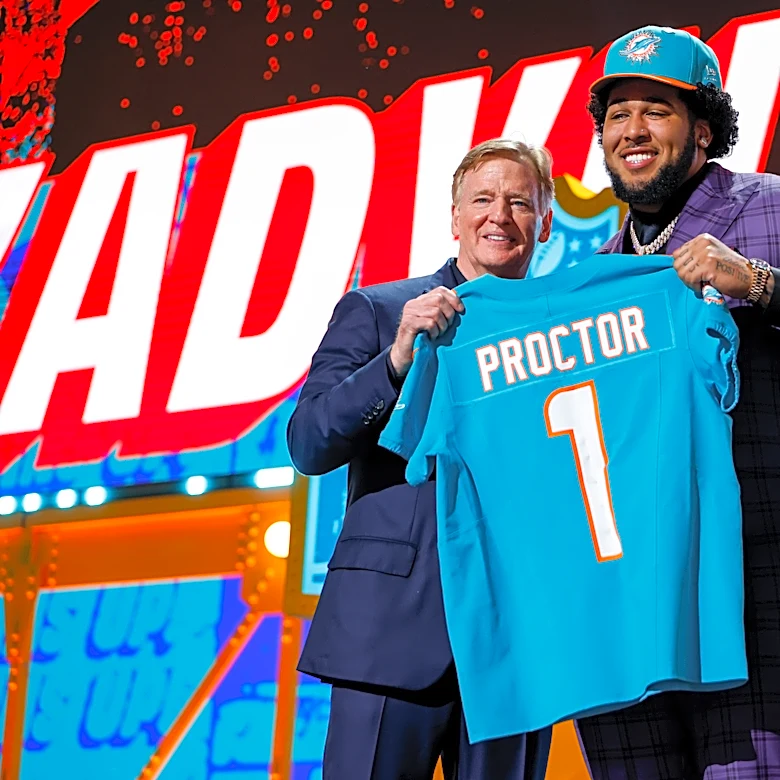
One of the biggest gripes with the Klein selection is the deviation from what has gotten the Texans roster to the place it is today. For the past five drafts, General Manager Nick Caserio invested premium draft picks exclusively on premium positions. Those positions, quarterbacks, wide receivers, defensive ends, corner backs, and offensive lineman were all prioritized over positions with less statistical productivity… and cheaper second contracts. The Klein pick is the first true departure from that draft strategy.
According to Spotrac, a starting tight end is on average the eighth-highest paid position in the NFL at $7.17M salary. Compare that to wide receivers who make over $3M more and are the fourth highest-paid position.

The opposing viewpoint, one in which the Texans took, is that Klein’s value is not from his own production, but rather the scheme versatility it provides. Klein’s height-weight-speed profile is not only rare, but it is what the league covets at this very moment. As defenses progressively got smaller and smaller to combat faster, more dynamic offenses, they’ve become more susceptible to run games predicated on power. That’s where Klein comes in. His frame and profile project him to be a powerful run blocker who can also command attention in the middle of the field on passing routes.
However, the core issue at hand is the projection of talent vs. what’s on tape. Klein has yet to prove he’s capable of being a run-opening tight end. His one year as a serviceable tight end on a fledgling offense and new tight ends coach at Michigan was not enough to confidently select him this early. What’s more, there were other tight ends later in the class with the requisite aforementioned size-weight-speed profile who the Texans could have selected. Eli Raridon for example was a similarly graded prospect from Notre Dame with a multi-generational football background whose 6’6” frame matches Klein’s. Raridon was selected a full round later by the Patriots.
The Texans traded premium value for premium traits. That’s a losing proposition in a long-term, multi-year struggle to win Super Bowls. Talent and value supersede potential and traits in every class, even when the draft class was as thin as this year’s group.