

It was the bottom of seven with two outs. Marina Mason glanced to her right and then to her left, sharing a brief moment with the fielders behind her. She wiped her fingertips on a cloth tucked in her back pocket and stepped to the rubber. It may have been in the back of her mind, but history hadn’t arrived just yet.
Two pitches later, it did.
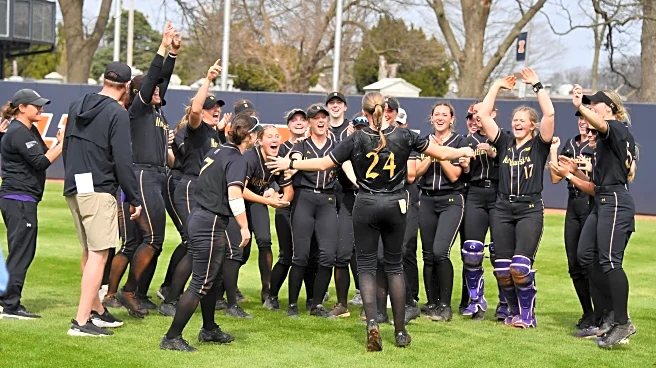
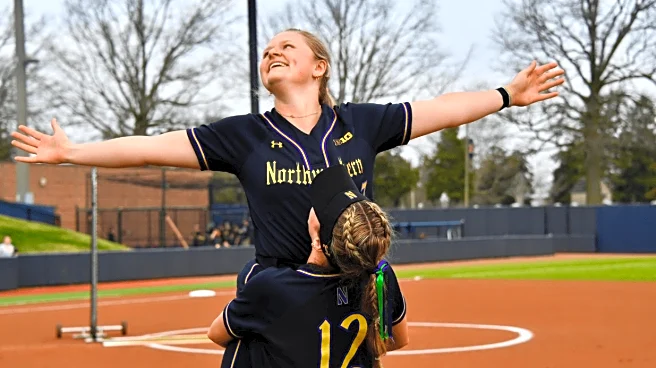
With that final out, Mason became the first Northwestern first-year since 2011 to throw a no-hitter, a milestone five complete games in the making.
But behind
this historic performance was a team that played together — and played for each other.
For the first time since 2019, the ’Cats completed a three-game sweep of Illinois, securing their first three conference wins of the season in the process. In a series filled with plenty of highlights and new records, Northwestern’s success ultimately came down to consistency, discipline and execution.
As coach Kate Drohan put it, “The big hits are great, but it’s really playing good fundamental softball.”
This week, we’re back to the regular scheduled programming, so grab your favorite snack and let’s dive in.
The Checked Boxes.
Striding to success
Now, Illinois is not a nationally ranked team, nor is it among the Big Ten’s best, but that doesn’t make a performance like this weekend any less impressive. I’ve said this before, and I’ll say it again: “easy” teams don’t mean free wins.
Entering the weekend, Illinois trailed Northwestern in walk percentage by 0.09%. Over the three games, the ’Cats gave up six free bases, and the Illini gave up 18. The orange and blue also hadn’t issued more than eight walks in any game before the series; in the second game against NU, they gave up nine.
The weekend marked arguably one of NU’s most disciplined showings at the plate this season. Hitters worked into deep counts, refused to chase and consistently put pressure on the defense to make plays.
The lineup this weekend sustained pressure; it scored 50% of its runs with two outs and only saw two innings to go three up, three down. In all, Northwestern totaled 58 quality at-bats, meaning 52% of its plate appearances met the standard for productive, competitive trips to the box. You can see the game-by-game breakdown below.

Once these ’Cats got contact, it was smart baserunning from there: Several gap hits became doubles thanks to instinctive reads and an understanding of outfielders’ angles and arm strength, and small mistakes from the Illini snowballed into extended innings and constant pressure on the defense.
While only a couple of bases were stolen, runners moved across the basepaths with ease. It felt like Northwestern was always one step ahead — reading throws, anticipating gaps and fully capitalizing on every chance.
Into the pocket
I saw a lot of trust on defense this weekend, something I’ve stressed needs to happen in weeks past. The result? Only two errors this series — NU’s lowest amount in a weekend thus far.
Between Mason and Riley Grudzielanek, there were 33 pop-ups and 12 grounders, a workload requiring fundamental plays to be made. Through cleaner exchanges, better reads off the bat and fewer hesitation plays, the Wildcats accumulated a defensive efficiency ratio of 84.62%, their best showing yet.
Unlike offensive production, which can fluctuate based on opponent quality, clean defense is largely self-determined. By consistently converting routine opportunities, Northwestern controlled the pace of play and limited Illinois’ ability to capitalize on traffic.
What’s Still in Play?
Strength through weakness
The last strong team Northwestern faced was Washington, which brushed the ’Cats off in a sweep. Since then, NU has compiled a seven-game win streak, but the quality of those opponents has been decidedly moderate. Here are the RPI rankings of the past four unique opponents: Detroit Mercy, 254; Northern Kentucky, 230; Illinois, 208; Northern Iowa, 129. Washington’s RPI is 17.
Northwestern’s hot streak has come against lower tier opponents, and the ‘Cats have yet to topple any team ranked in the top-25 nationally. While yes, I do claim that no opponent should be treated as an automatic win, defeating lower or mid-tier teams is fundamentally different from taking down nationally ranked ones.
The ’Cats look solid now, but it’s difficult to conclude the program is trending upward in a meaningful way. Sure, they’re taking care of business when expected, but will that continue against a tough team like Michigan? How about No. 17 Oregon next weekend?
Funky Cold Medina
I’ve been putting this off for a while, but I think it’s time to mention Medina’s struggles at the plate. Once hovering around fifth or sixth in the lineup, the true first-year has dropped to the ninth spot over the last couple weekends. The reason? It’s likely because she’s gone hitless in 18 games and leads the team with 22 strikeouts.
This year, she’s hitting .188 with a .667 OPS, but in conference play, those numbers drop to .083 with a .250 OPS. Clearly, both consistency and confidence at the plate are concerns.
Through her nine plate appearances this weekend, Medina frequently crowded the plate. This is a risky move against pitchers who consistently hit the inside strike, as it made her extra vulnerable to this pitch. When a hitter crowds, they have a better chance of getting a hit-by-pitch, but it’s harder to turn and get their hands around a ball.
This may be why she went hitless through games one and three — the only starter to do so — and gathered a strikeout every game. She popped up in four at-bats with only one very good piece of contact that was unfortunately caught at the left-field wall.
Mechanically, this could be because her shoulders drop too early and her hands lag, delaying her swing and reducing power while popping it up to the right side.
Medina also rarely swings at the first pitch, even when it’s hittable — in her 82 at-bats, she saw 31 first-pitch strikes and swung at just 17% of them. This often leads to two strikes very early, and when she gets an 0-2 count, she strikes out 58% of the time.
There can be countless reasons why she hasn’t had a breakout yet, and while mechanics may play a role, I think this comes back to her mental approach. Northwestern needs hitters throughout the entire lineup against teams that put pressure on.
Until that adjustment comes, Medina’s at-bats remain one of the biggest question marks in the Wildcat lineup.
Weeklies
Best game: A whopping 19-5 Saturday conquest for the ’Cats is my game of the week!
It was the team’s seventh run-rule victory of the season, closing in on last year’s total of 12 and making history in the process. Twelve batters scored in the opening inning alone, matching the second-most runs ever recorded in a single inning by the program. The last time they did this? 2014 against UIC in a 14-7 victory.
Best play: Marina Mason just might be my MVP for this series… And that’s saying a lot because I typically don’t like to give out MVP awards.
The first-year overall did a great job controlling the zone, starting and completing two games (with the no-hitter!) and she had this amazing play in Sunday’s finale.
The Fighting Illini’s Keirys Click, squaring to bunt, angled her barrel too far down and blooped it between Mason and Medina at third. Both charging at full speed, Mason flexed her wingspan by reaching across her body in a leap and dive to secure the ball in her pocket for out number three.
After releasing the ball, a pitcher has only milliseconds to react, all while their momentum carries them forward. For Mason to make this play was a display of pure athleticism and determination.
The Bounce Back
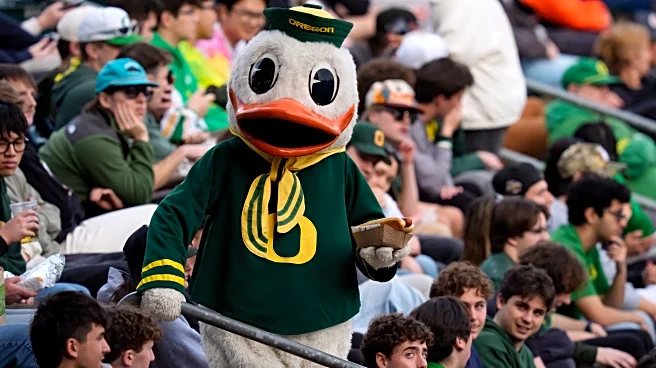
The next conference series against No. 17 Oregon is a tough team for a home opener. Northwestern currently stands at 0-10 against ranked teams (at the time of play), allowing 72 while scoring 23. It will certainly be tough.
When Oregon travels to the Ballpark at Rosemont, it brings a 24-8 record, a .324 team batting average and a 3.12 ERA. Lyndsey Grein will likely be the largest obstacle if she sees action, entering as the star pitcher with a 14-3 record on the season while leading the Big Ten in strikeouts (119) and WHIP (.92). Even without Grein, Oregon’s pitching squad would rank 25th nationally for WHIP (1.27).
However, if the ’Cats maintain their plate discipline, force deeper counts and play good fundamental softball, there’s a clear path to disrupting Oregon’s rhythm.
As unranked teams like Southeastern Louisiana, Purdue and Cal State Fullerton have shown, the green and yellow can be challenged. Stealing a game would be a path toward the postseason — we’ll see if the ’Cats will take it.