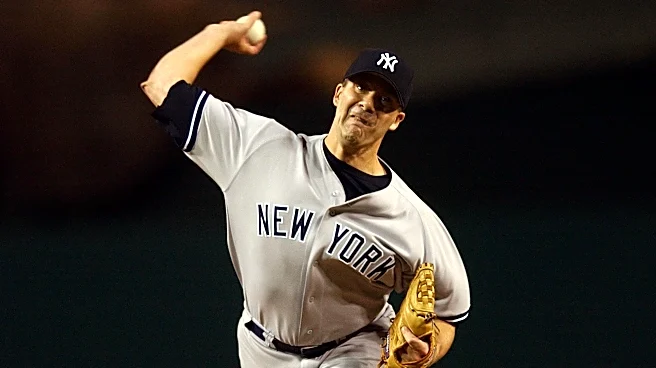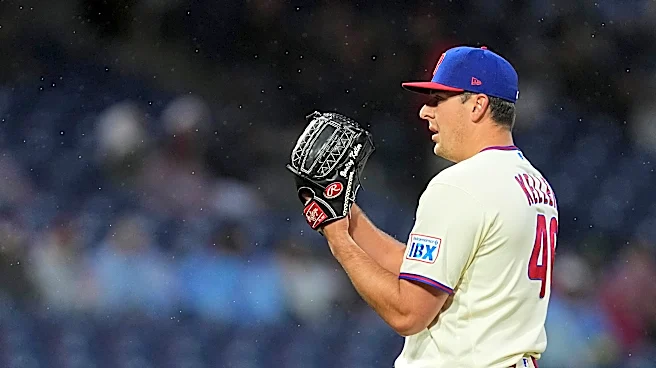



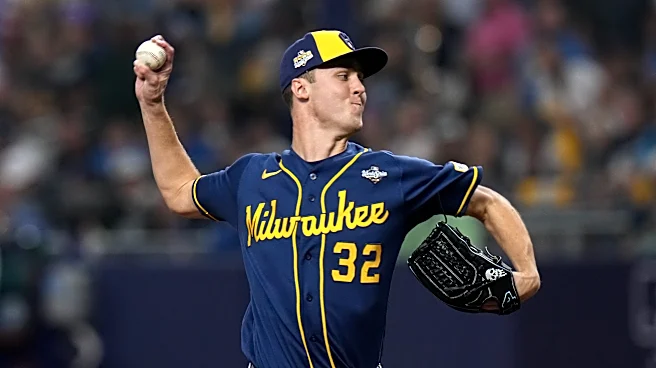

The Phillies signed Brad Keller before the 2026 season with the vision of the breakout reliever being the set-up man for All-Star closer Jhoan Duran. The two-year, $22M deal the Phillies gave Keller was by far their biggest signing of an offseason that otherwise was met with something between tepid skepticism or outright hostility from the fanbase. It was the only move Dave Dombrowski made in the last year that was widely met with approval, as Keller was one of the top relievers on the market after
turning in a career season with the Cubs. The then 29-year-old moved to the bullpen and became an elite reliever, featuring strong surface numbers and underlying indicators that not only was his performance real, but it should also be sustainable.
However, sometimes you just get unlucky. Now 30, Keller was very uneven in his first year in Philadelphia before suffering a torn UCL that required Tommy John surgery, likely ending his Phillies tenure just as soon as it started in a way that was eerily reminiscent of David Robertson’s first tenure with the Phillies in 2019.
2026 stats: 32 games, 31.1 IP, 4.02 ERA, 113 ERA+, 4.15 FIP, 0.2 fWAR
What went right
It is admittedly quite difficult to find something that went right for Keller in 2026. He regressed in just about every category before suffering the injury that ended his season. With all of that said, one can squint and see that he was at least a serviceable reliever when he was on the field even if he wasn’t the lock down back of the bullpen option the Phillies thought they were getting. That is something the Phillies desperately could have used later in the season when their bullpen was falling apart. If you want a number to feel good about, Keller at least mostly held his increased velocity he found once being converted to the bullpen, as he averaged 96.9 MPH on his fastball in 2026 after averaging 97.1 in 2025.
What went right
Again, Keller regressed in practically every major category. His strikeout rate dropped from 27.2% to 23.7%, his walk rate increased to 9.6% from 8%, and his WHIP ballooned to 1.34 from 0.96. Keller’s whiff rate fell back to around his career norms (22.5%) of when he was a mediocre starting pitcher rather than when he was an elite reliever in 2025 (27%). As a result, Keller gave up more base hits, with his opponents’ batting average climbing to .242 from .181. He was likely victimized a bit by the Phillies poor defense, but Keller’s elevated FIP and expected numbers show that he did not pitch all that well regardless of the defense behind him. The most glaring evidence of this was his groundball rate plummeting to 44.3% from 56.6% while his flyball rate jumped to 35.2% from 29.8%.
Keller’s disappointing season started to go fully off the rails on June 16th when he was first placed on the injured list with right forearm tendinitis. He didn’t return to the Phillies until July 8th, but he didn’t stay with them long, as Keller was once again placed on the IL eight days later. This time however he would not return, as it was revealed that Keller had suffered a UCL tear in his right elbow and required Tommy John surgery, thus costing him the rest of 2026 and very likely all of 2027.
Final grade: F
Perhaps an F is too harsh of a grade considering that neither Keller nor the Phillies can be blamed for not foreseeing the injury that effectively ended his time in Philadelphia after just 32 appearances. However, it’s hard to argue that the signing and therefore Keller’s season wasn’t a total disaster considering the results. Keller underperformed and then was lost, leaving the Phillies with a hole in their bullpen that they were never able to fill despite a revolving door of relievers that were used in setup roles throughout the season.
That hole in the bullpen is still very much waiting to be filled, as the Phillies and Dave Dombrowski enter another offseason in search of a bridge to Jhoan Duran. Dombrowski went outside of his usual M.O. of offering only single year contracts to veteran relievers in order to get a coveted one in Keller and was burned for it. It will need to be determined if the Phillies president of baseball operations falls back into old habits or opts to take another riskier swing in order to replace Keller. Regardless, the Phillies once again need to rebuild much of their bullpen.