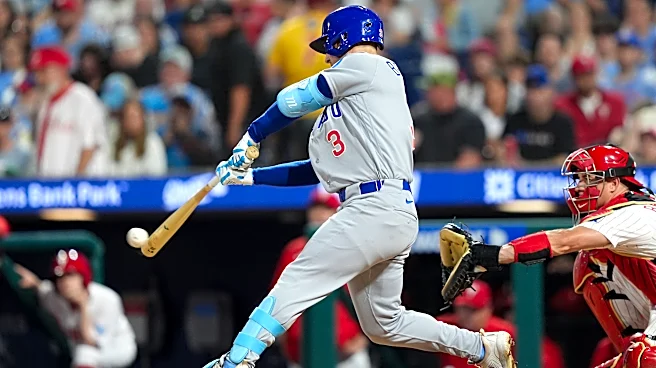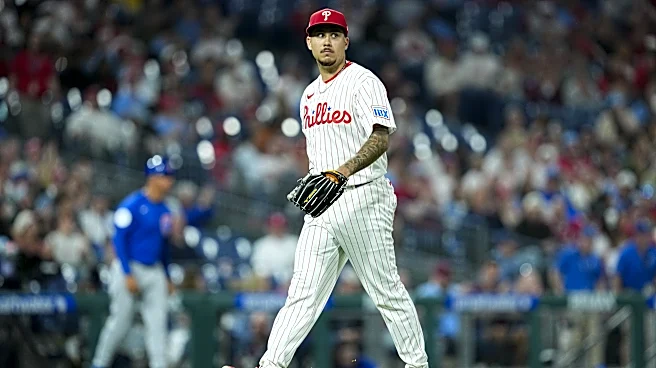





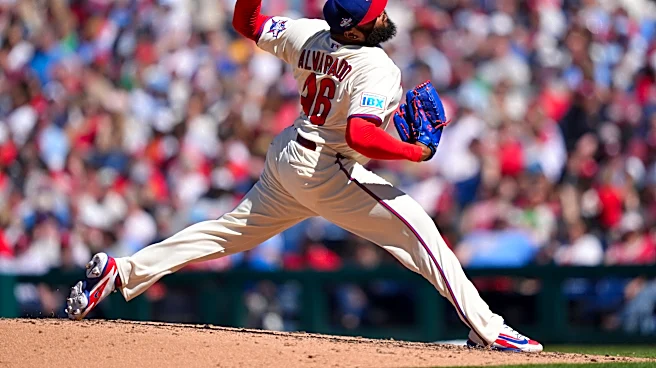
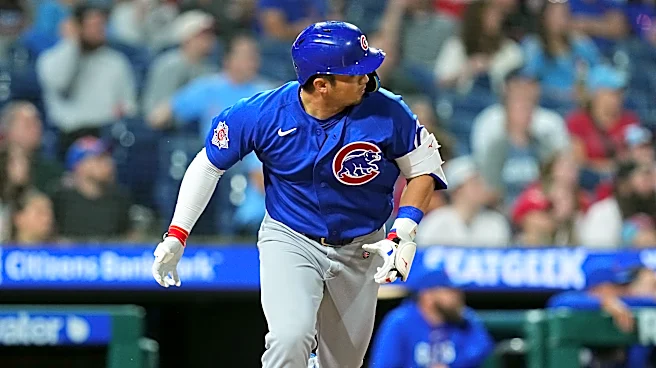
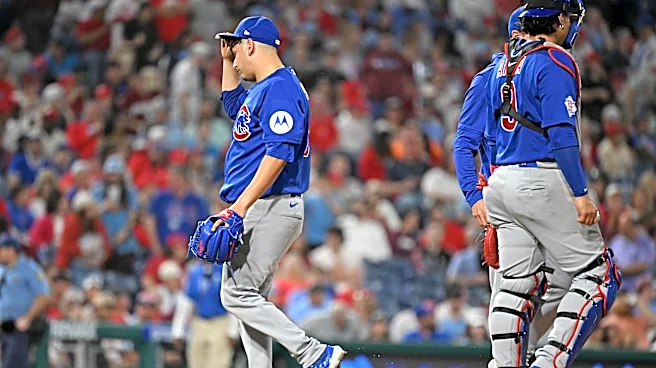
A sequence doesn’t have to involve different tunnels and different mixes. Sometimes a catcher and pitcher can just pick up on a hitter’s body language and how they take a pitch.
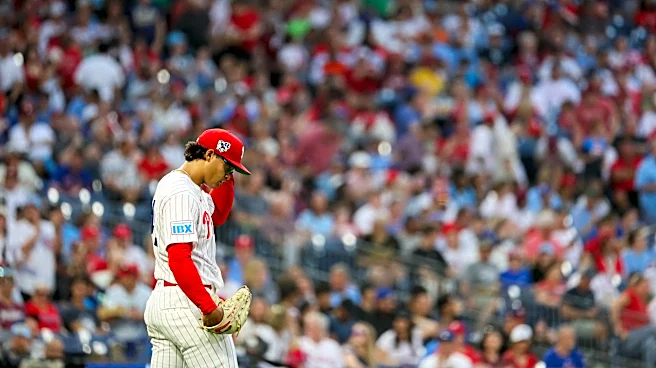
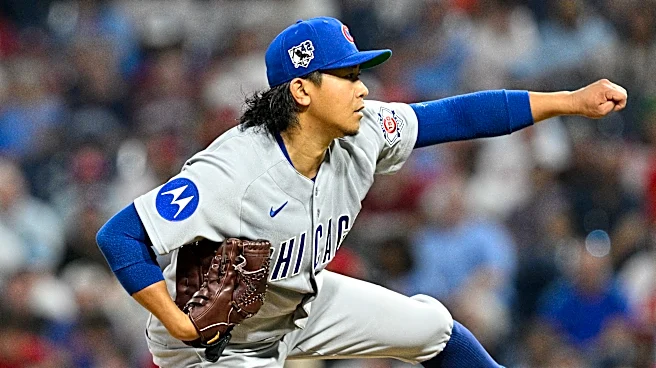
Ian Happ gave up the outside part of the plate on three straight backdoor sweepers that Kerkering painted. H stood there like a statue and walked back to the dugout after Kerkering said good night.
A hitter giving up the outside part of the plate, especially to a pitcher like Kerkering who relies on his sweeper or slider for
strikes and chase is not new. Looking to cover the entire plate can also lead to chasing pitches you don’t like.
Wanna swing at this backdoor sweeper? Be prepared for the high heater.
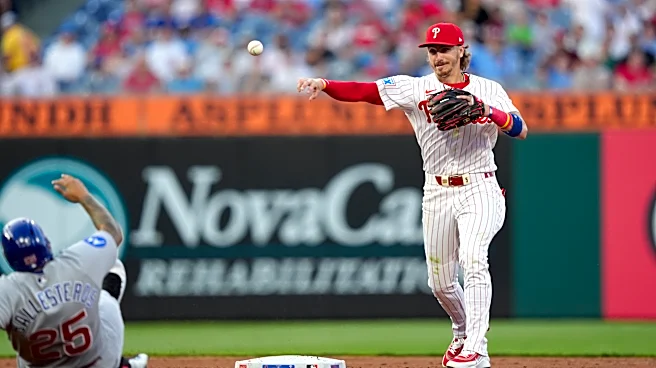
Bryson Stott’s Slow Start
Bryson Stott has been trying to change his approach to begin the season, looking to unlock more pull-side power and quality of contact. His hard hit rate has jumped over 20% from 2025, easily a career high. His average exit velocity is a career high and he is barreling the ball more.
But it’s not led to results. Stott is hitting .204 with a .493 OPS to begin the season. Some projected stats indicate he’s getting unlucky. His xBA is 62 points higher than his actual batting average and his xSLG is 165 points higher than his actual slugging.
However, there are two issues with the new approach. The first is that the swing decisions have tanked. His chase rate has gone up from 23.3% in 2025 to 34.5% so far this season.
An increase in chase can be a side effect of trying to hit the ball harder. He is swinging harder and getting the swing started earlier, so he has slightly less room for adjusting on the fly.
But chasing more isn’t the only issue, Stott’s zone swing rate, the pitches he is swinging at in the zone have also regressed by 4.2%.
Stott is chasing more out of the zone and swinging less in the zone. That is how someone’s swing decisions tank.
The other problem is that he has essentially sacrificed line drives for more ground balls. His line drive rate is down from 23.7% to 15.9% and the ground ball rate has jumped from 41.1% to 50. Essentially, the added hard contact is actually hurting his power because he is smacking the ball into the ground.
Some good things are going on with the new approach. Swinging harder is not a bad thing, especially since he doesn’t have any swing-and-miss issues. He is hitting the ball harder. But there have to be adjustments because his swing decisions and where he is hitting the ball have declined significantly.
Bryce Harper’s Approach
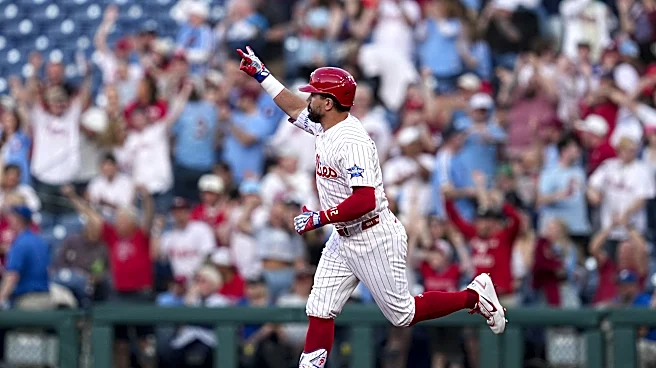
Bryce Harper wants to walk 140 times this year. Is he going to do it? Probably not.
However, Harper has made some very good adjustments, which have led to a hot start. He is still an aggressive swinger but has toned down some of the things that defined his approach last season. Harper’s first pitch swing-rate is down nearly ten percent from a season ago. He is taking a few more strikes early in counts but is walking more and is striking out less.
One of my season predictions was that Bryce Harper would cut his first-pitch swing rate down to 40%. It’s currently at 44.7%, which would make me wrong but things are still early. Overall, Bryce Harper’s approach is in a better place than a season ago.