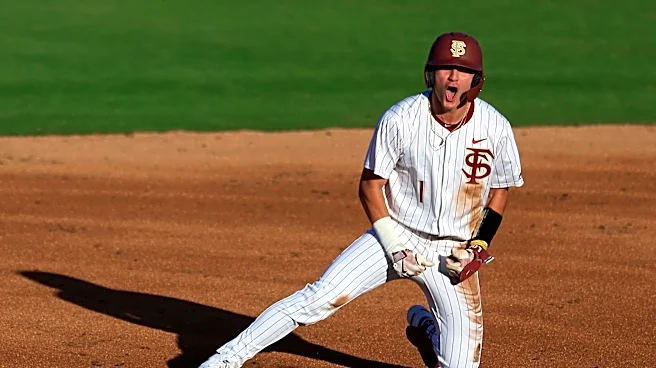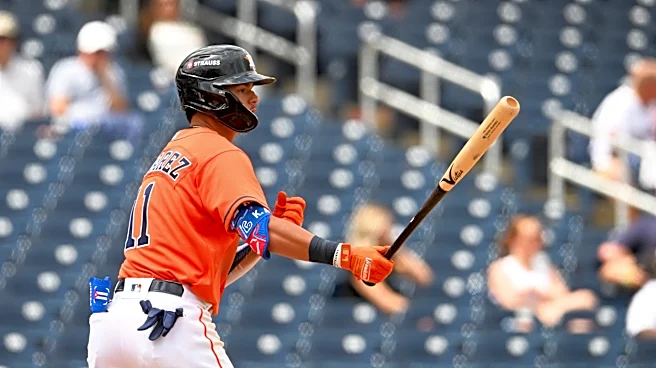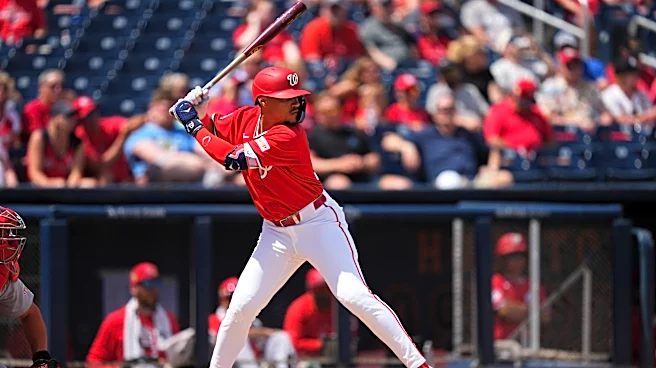





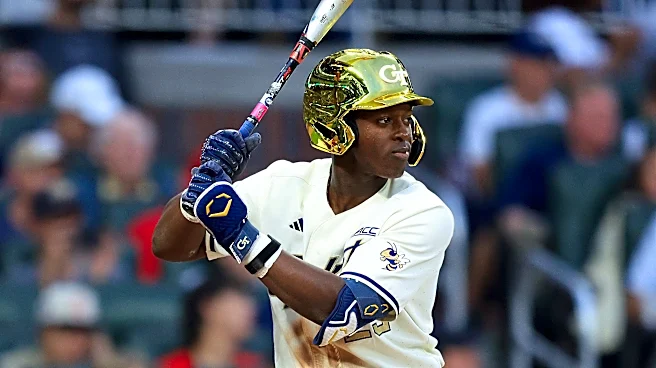

Last season, Seaver King swung at 53.1% of pitches in the minors. That is much more than the average big league rate, which hovers around 46%. This over aggression is part of what contributed to a rough first pro season for King. Now, the former first round pick is only swinging at 39.8% of pitches, but is doing much more damage.
In over 500 at bats last season, Seaver King hit just six home runs. Armed with a new approach, King already has four homers, a feat he did not accomplish until the middle
of June last year. It is clear that King is hunting for his pitch and driving it when it comes. If he does not get his pitch, he is perfectly content to take it.
Seaver King has gone from an ultra-aggressive hitter to a patient one seemingly overnight. Plate discipline is usually one of those skills that is harder to teach. Guys like Juan Soto are just born with an ability to know the zone, while it is tougher for hitters like Javier Baez. King seemed to fall into that latter category, but so far the Leopard is changing its spots.
By swinging less, King is also inevitably walking more. After walking at a 5.8% clip last season, he is taking free passes over 17% of the time this year. While King is the most extreme example of this, we are seeing less swinging throughout the Nats organization.
Right now, the Nats have 11 minor league hitters who are walking over 15% of the time. Last season, they only had three, and all of them were either in the Dominican Summer League or the complex, where pitchers don’t throw many strikes. Even if that number drops to 7 or 8, it would be much higher than any season in recent memory.
You can search just about any prospect in the Nats system on Fangraphs, and almost all of them are swinging less. Yeremy Cabrera has cut his swing rate from 45% to 41%. Eli Willits has gone from 46.4% to 44.1%, while Luke Dickerson has gone from 46% to 40%. Devin Fitz-Gerald and Abimelec Ortiz are two other notable players who cut their swing rates down.
There are still some aggressive hitters thriving in the organization right now like Ronny Cruz and Cayden Wallace. However, it is clear that the new front office wants players to swing less and do more when they do swing. After years of watching the Nats ground ball heavy and free swinging offenses, this approach is a breath of fresh air.
The roots of this rebuild are developing at the minor league level, but you can see this philosophy taking hold at the big league level. Plate discipline and contact skills are a big reason why the Nats targeted Jorbit Vivas and Curtis Mead. We are also seeing players like CJ Abrams and Brady House walking more often.
Surprisingly, it feels like the hitting development improvements are having a quicker impact than the pitching development stuff. I figured it would be the other way around, but I am very happy to see Nats hitters having success at all levels of the organization. We are seeing plenty of breakout hitters in the minors like King, Ronny Cruz and Yeremy Cabrera.
I think the new front office is a big part of this success. They are not going to magically turn everyone around, but you want to see consistent success stories. We are seeing those success stories early in the season, and it helps you buy into the front office’s vision.
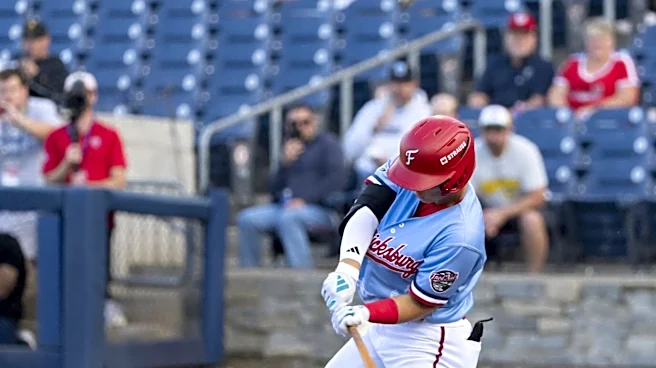
The Nats walking more often at all levels is no accident. Between the messaging and the new tools at players disposal, this is part of a master plan. Down in Fredericksburg, batters hit off a machine that throws harder and produces nastier stuff than any Low-A arm they will see.
That should get them ready for the game and make those at bats easier. I remember going to a batting cage and hitting against the hardest level, then going back to a slower one. It was so much easier to hit, and the ball felt so big. That must be what it feels like for these guys during the games.
Nothing beats having a plan and seeing it come to fruition. That is what we are seeing from Paul Toboni and the Nationals. They wanted their guys to swing less, and they have. It has been something that has caused positive change as well. The newly patient Seaver King now has a .944 OPS in AA, far better than the .600 OPS he mustered last year.
We knew some prospects would benefit from the regime change, we just were not sure who. Now, we have a better idea of who the biggest beneficiaries are. The hyper athletes who needed refinement like Seaver King and Ronny Cruz are coming into their own now that they are being developed by this new regime. Sometimes less is more, and that is what Seaver King and other Nats prospects have learned this season.