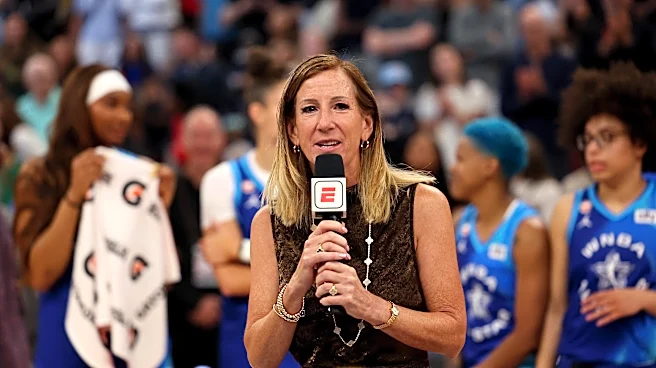






On Friday morning, Cathy Engelbert surprised the basketball world by announcing that she was retiring from her role as WNBA commissioner at the end of 2026. Shams Charania of ESPN was the first to report the news.
In a WNBA press release, Engelbert explained her decision.
After more than seven years at the WNBA and more than 40 total years in business, I have made the decision to retire as WNBA Commissioner.
In 2019, I had the privilege of being appointed the league’s first commissioner and to lead a league with enormous potential yet untapped awareness and significant undervaluation. Over the years, it has been amazing to watch WNBA players thrive and lead the massive cultural surge around women’s sports.
There is no question that the league thrived while Engelbert was commissioner. The WNBA secured a $75 million capital raise back in 2022. During her tenure, the league expanded from 12 teams to 15, and three more franchises are set to join in Cleveland, Detroit and Philadelphia by 2030.
The WNBA also secured an 11-year media rights deal back in 2024. That agreement was initially valued at $2.2 billion, but is now valued at $3 billion. Engelbert also helped ink a new collective bargaining agreement that raised the supermax salary to $1.4 million.
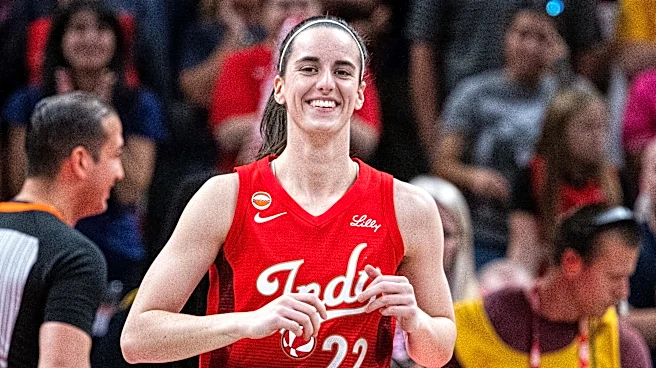
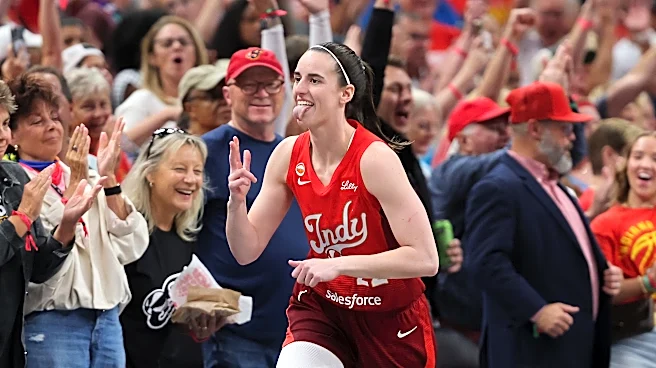
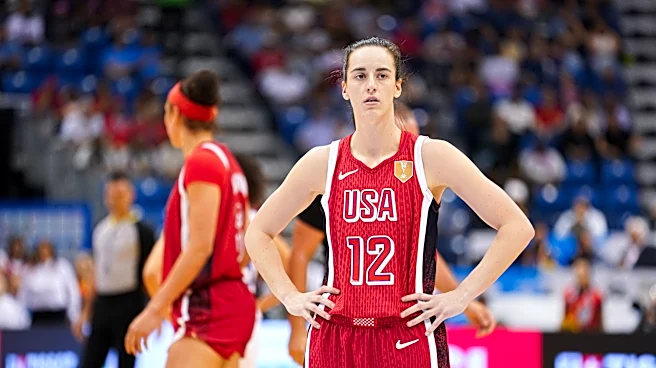
However, there has been debate over how much of that growth is from the players rather than from Engelbert’s decisions. During her time as commissioner, players like Paige Bueckers, Caitlin Clark and Angel Reese came to the league and brought in tons of new interest, viewers and fans.
Also, things like the media rights deals have been rumored to be more the work of NBA commissioner Adam Silver, rather than Engelbert.
And with the WNBA continuing to grow exponentially, along with real challenges like the online and in-person harassment of players and invented issues like trans rights debates, the league appears to need a commissioner who can navigate all of that, alll while keeping finances rising.
Perhaps Engelbert could’ve been that person, but she’s retiring, and that will be the next commissioner’s problem.
The WNBA is in a better place than it was before Engelbert’s arrival, and that deserves recognition. But whoever takes over now will have, in many ways, a tougher job.