

The Dodgers’ outlook wasn’t as dire as it might’ve looked after the Game 2 loss at home, just as it is not as ideal as it could appear following a Game 3 win on the road against the Braves’ ace. When it comes to their fate in this specific series, the Dodgers are well positioned to advance, but with the ultimate goal in mind of another World Series title, the problem remains the same: a team that right now seems only capable of winning with elite pitching and has yet to generate a run that hasn’t
come via the long ball.
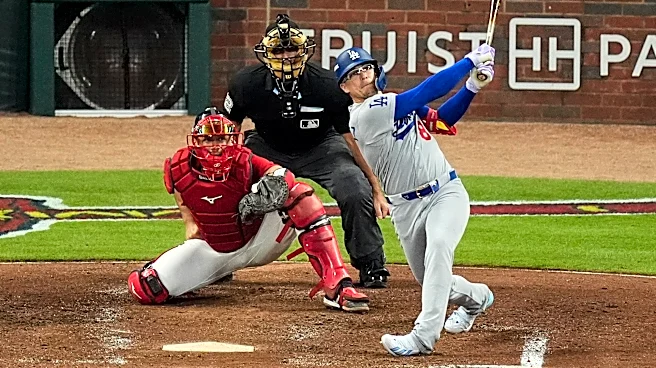
Three runs in five innings against Chris Sale is about the best-case scenario for a team that was shut out the last time it faced the future first-ballot Hall of Famer. And yet, they could have done a lot more damage off the left-hander, with him on the ropes for most of the game before Kiké Hernández’s two-run shot started the scoring in the fourth.
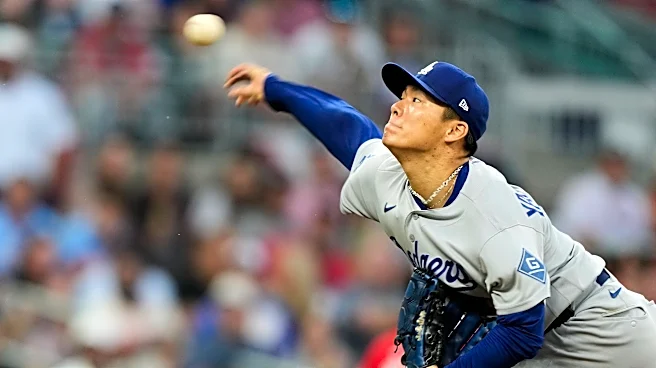
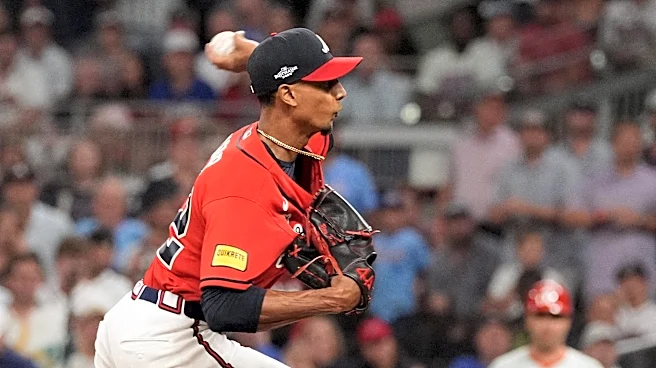
Whatever the offense did or did not do against Sale, it chased him off the game with just 15 outs, a crucial objective in this game. Against four different Braves relievers, though—not including Didier Fuentes, unused in this one after a masterful Game 2 performance—the Dodgers offense failed to add a single run of insurance, increasing the pressure on Yamamoto and their two star relievers, who finished this one out: Tanner Scott and Edwin Díaz, neither of whom has what you’d describe as unconditional trust.
Evidently, strong pitching has been a reality of this series on both sides, with these two offenses combining for a single hit with a runner in scoring position. For the Dodgers, though, it hasn’t looked like it matters who is on the mound for Atlanta—running into one or two is achievable even against the very best; in fact, they did it against Sale and Fuentes, the Braves’ two most talented pitchers. Stringing hits together for a big rally like this team is more than capable of doing and hasn’t been a part of their NLDS performance.
While for the Dodgers offense, it doesn’t appear like it matters who is on the mound; on the opposite side, it’s a different scenario. Tarik Skubal and Yamamoto were dominant, and that’s a big reason why the Dodgers won those two games. Now, can this Dodgers team win if Tyler Glasnow brings anything other than his A+ game, which we’ve seldom seen in the postseason? The bullpen, as we’ve seen, will likely be effective, but not bulletproof. It took very little for Game 2 to go off the rails, and for that scenario not to repeat itself, the offense must find a higher gear.
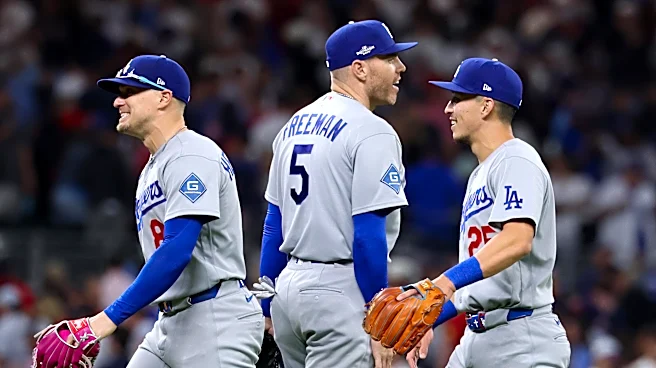
Perhaps if we’re to take a more positive view, the lack of damage in Game 3 had more than its fair share of bad luck. Teoscar Hernández, for instance, had three hard-hit balls and no hits to show for it—Freddie Freeman nearly had another home run, and Mookie Betts continues to get on at a terrific clip in the leadoff spot, even if he doesn’t have the runs to show for. Moving forward, though, the threat must be capitalized on more often.