

The classic sci-fi television series “Star Trek” introduced the world to “The Worf Effect.” The trope refers to the phenomenon where a new character is pitted against a character with a high amount of known ability in order to establish the relative power level of the new character, usually a villain.
The blockbuster Marvel Studios film “Avengers: Infinity War” famously opened with the Hulk (he of super strength and durability unmatched to that point in the running storyline) getting absolutely dog-walked
by movie villain Thanos. It was a moment that immediately raised the bar, allowing audiences to note how incredibly dangerous the new antagonist was.
It’s like that with rookies too.
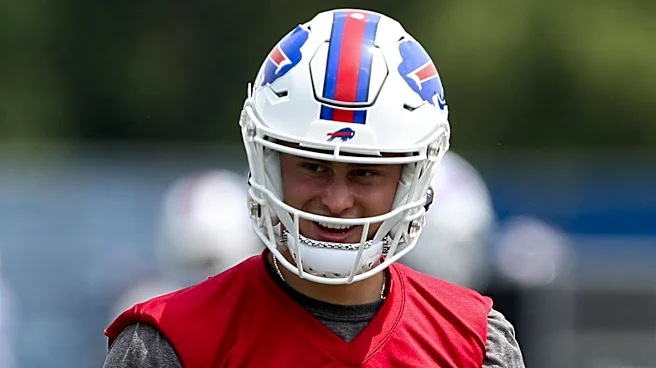
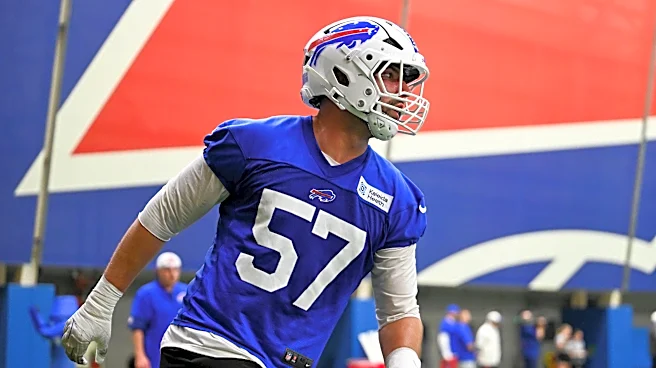
When the 2025 Return of the Blue & Red practice finished up, Bills veterans had seen then-rookie defensive tackle Deone Walker starting to get positive buzz in large part because his teammates had begun to see the 6’6”, 331-pound lineman against players they knew. They isolated the variable, which isn’t possible to the same degree at rookie minicamps (where first-year unknowns are competing against other first-year unknowns or tryout players) and even mandatory minicamp (where contact is extremely limited and certain positions have distinct advantages that could be used to dismiss or minimize strong performances). Coaches and general managers have told stories of watching a rookie take reps against another player early in the training camp and immediately worrying that the first-year player simply wasn’t going to cut it in the league.
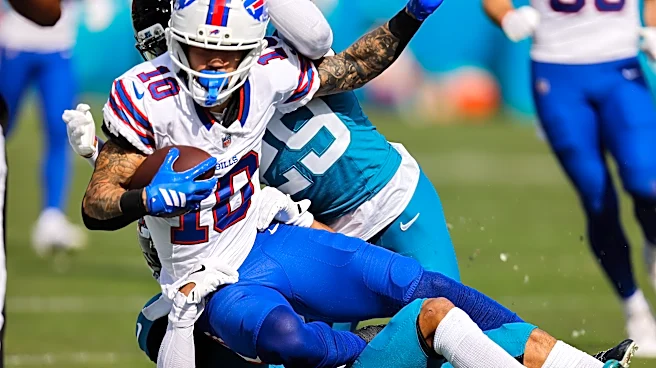
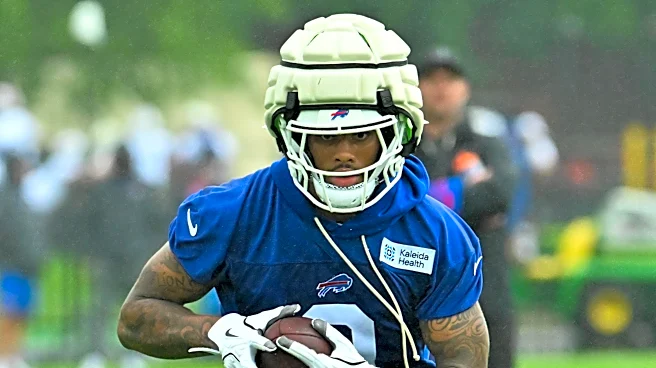
Who does this phenomenon apply to on the 2026 version of the Buffalo Bills? Technically, any rookie could pop early and look like a steal. In addition to the aforementioned Walker, former 2022 sixth-round pick Christian Benford popped early in his rookie camp, leading to the early season platoon at CB2 between Benford and a first-round pick from the same draft named Kaiir Elam. This situation mimicked the defensive tackle scenario in 2006, where rookie fifth-round pick Kyle Williams was a standout even compared to first-rounder John McCargo. By the middle of October that year, Williams had been named a starter.
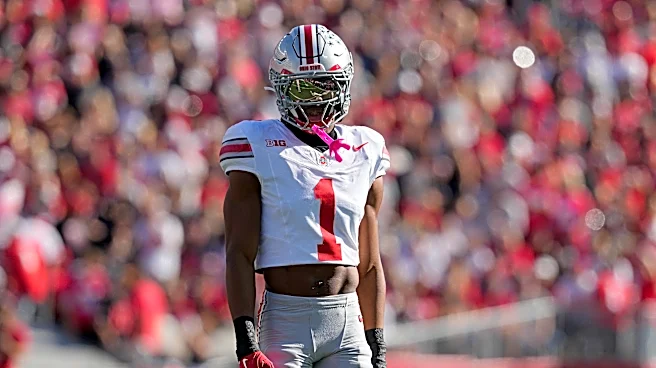
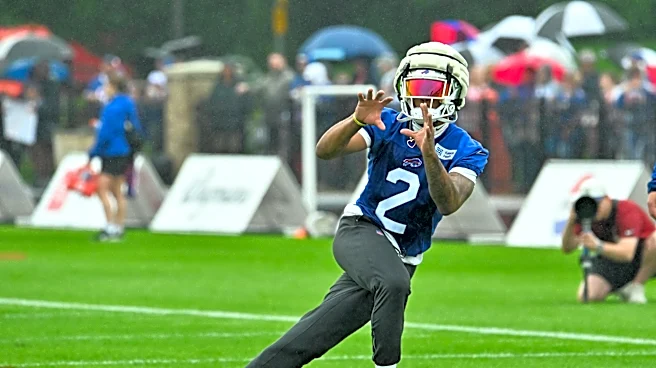
But for this camp, rookies like edge rusher T.J. Parker (competing against offensive tackles like Spencer Brown and Dion Dawkins, when he gets “ones vs. ones” reps), cornerback Davison Igbinosun (competing against wide receivers like DJ Moore, Khalil Shakir, and Joshua Palmer) have an opportunity to immediately establish what type of players they are. It’s not as important that the players they’re competing against are All-Pro-level players; it’s simply a matter of establishing an initial bar for new players by having them compete with players we feel we have a handle on.
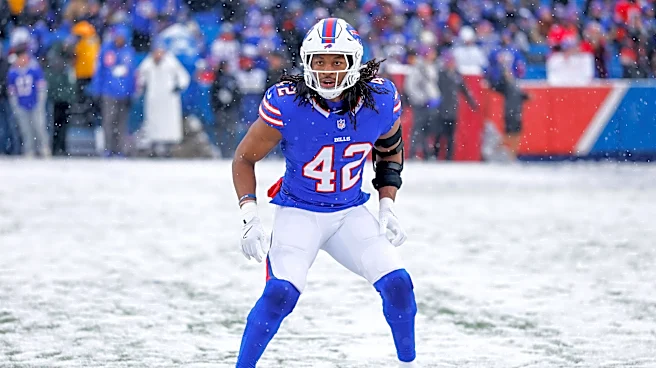
Does linebacker Kaleb Elarms-Orr show ease of disengagement when taking on the blocks of offensive guard O’Cyrus Torrence? Will safety Jalon Kilgore win at the catch point against wide receiver Keon Coleman? Nothing in American football occurs in a vacuum; it’s ultimately one of the most complex team sports in the world because an individual’s performance is always relative to the play they’re running against and potentially multiple different opposing players on that same play.
Seeing a new player perform on their college field is excellent. Seeing players perform on tape is great. Seeing them perform in simulated drills is all fine and dandy. But seeing them perform against established NFL veterans can help the team (and fans, in the little live practice time they get) feel better about their investment pretty quickly.
…and that’s the way the cookie crumbles. I’m Bruce Nolan with Buffalo Rumblings. You can find me on Twitter and Instagram @BruceExclusive and look for new episodes of “The Bruce Exclusive” every Thursday on the Rumblings Cast Network — see more in my LinkTree!