
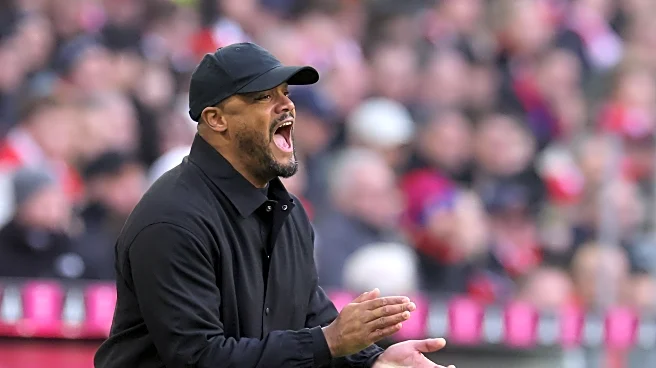
This summer’s World Cup in the United States, Mexico, and Canada is edging closer and closer, but there is still plenty of club football left to be played. Vincent Kompany’s Bayern Munich is still well in the running to secure another historic treble despite all of the injuries that have hampered the squad throughout the season. They have been relentless in the Bundesliga and are as well poised as ever to be able to get past Real Madrid in the Champions League quarterfinals next month.
For the German
national team and Julian Nagelsmann, only four friendlies stand between now and the start of the World Cup; Switzerland, Ghana, Finland, and then the United States before the roster for the finals has to be submitted. After a strong showing at Euro 2024 in Germany and a decent World Cup qualifying campaign, Nagelsmann has the nation believing again after what seemed like a way-too-long period of pedestrian football from the national team.
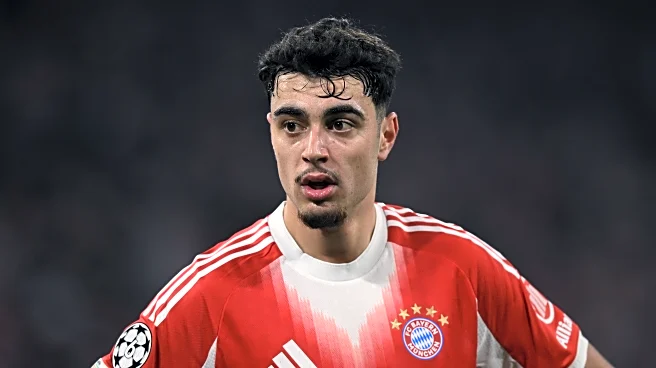
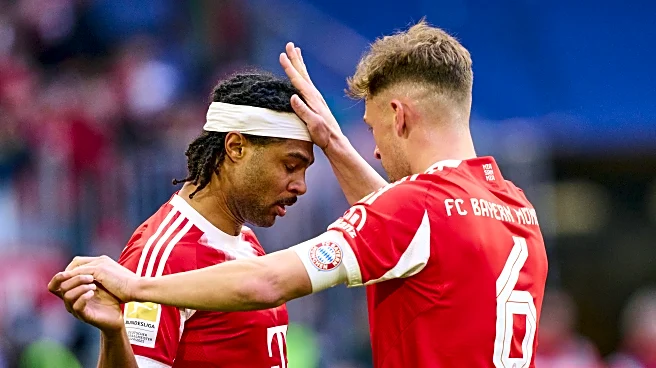
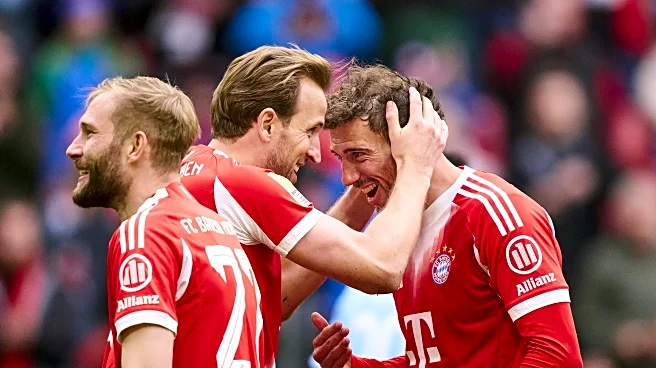
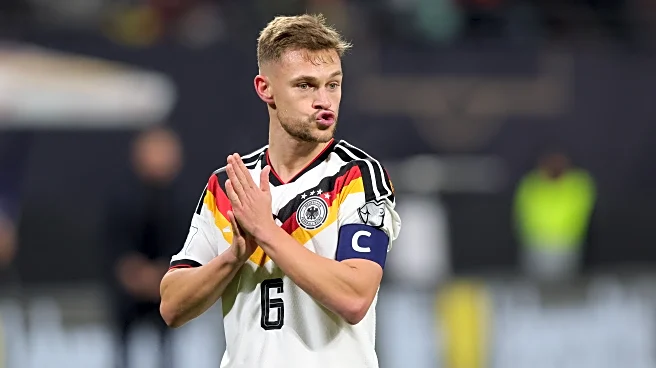
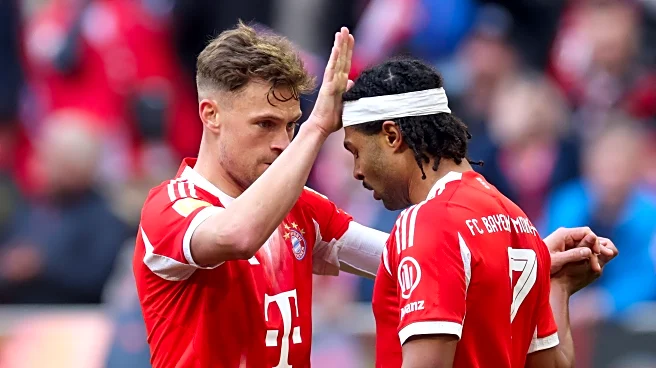
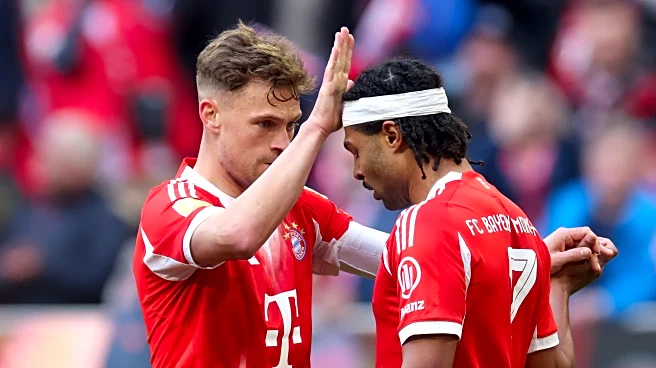
This time around, for the upcoming friendlies, there’s five Bayern players in the German squad, and there would be six had it not been for Aleksandar Pavlović having to withdraw due to an injury. All of Joshua Kimmich, Jonas Urbig, Jonathan Tah, Leon Goretzka and Serge Gnabry have been nominated, and it’s all but confirmed that Pavlović will be in the World Cup roster so long as he’s fit.
There’s a long, rich history of the national team being Bayern-dominant, which is something Kimmich recently described as always being a positive for the eb and flow of the squad, while it’s still important for other teams in Germany to be well represented. “I actually believe it helps us in the national team when many Bayern players are on the pitch. Because we’re a well-oiled machine and we train together every day. That way, we have certain automatisms. Nevertheless, it’s important that other teams like Borussia Dortmund or VfB Stuttgart, who have many German players, perform well. What’s important is that we manage to build a good squad with many players who know each other, whether from the national team or from their clubs,” Bayern’s No. 6 explained when he was asked whether or not it is possible to perform as dominantly with the national team as he does with Bayern in an interview with Südwestrundfunk (via @iMiaSanMia).
Former Bayern club president used to always say that he dreamed of Bayern essentially becoming FC Deutschland with regard to always having the club so heavily represented in the national team. The preferences for German culture, the German language, and German representation at FC Bayern have remained intact, perhaps far more so than exists in other nations and their top domestic clubs.
An interesting way to look at that aspect is how an English manager has never won the Premier League title in England, but Bayern typically has a strong preference for their managers to speak German and have both Bundesliga and Champions League experience. It is a type of dynamic that lends itself to better cohesion and overall togetherness in the national team.