

For the past few months, over most of the baseball season, MLB has aired commercials educating the public on the new Collective Bargaining Agreement (CBA) negotiations. The message has repeatedly outlined that fans are losing out due to the lack of parity among the teams while touting a salary cap and floor as the solution.
If the fans are outraged by the players’ refusal to consider a salary cap/floor, MLB believes it will hold a negotiating advantage.
For its part, the MLBPA contends that a cap and
floor are not needed and that it is a ploy by the owners to limit player salaries and benefits. All of the proposals made by MLB up to this point in the negotiating process are contingent on the players accepting the cap and floor as the baseline.
Baseball is broken
There is no doubt the economics of baseball are broken. The playing field is far from level when a few teams can spend up to five times as much on payroll as the teams at the bottom.
It is not acceptable for some owners to use their teams as a cash cow to line their own pockets while never believably attempting to win.
Obviously, this system needs to be fixed. But is a cap and floor going to fix it?
Is there a parity problem in baseball, or is it just the excesses of out-of-control billionaire ownership groups that try to buy championships instead of competing more traditionally?
What is parity in this market?
The last small-market team to win the World Series was the Kansas City Royals in 2015. Over the past 10 years, top-10-payroll-ranked teams have taken the prize. Lower-market teams have competed but not gone all the way.
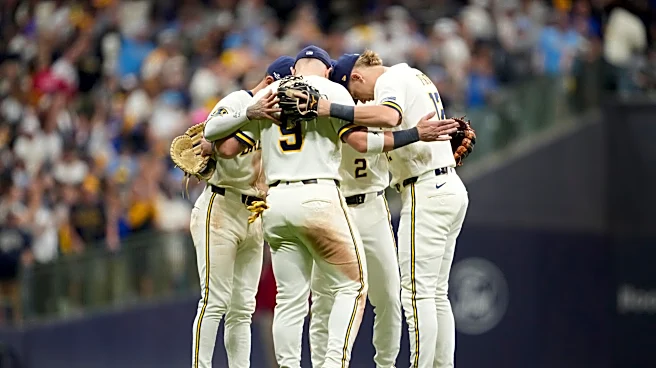
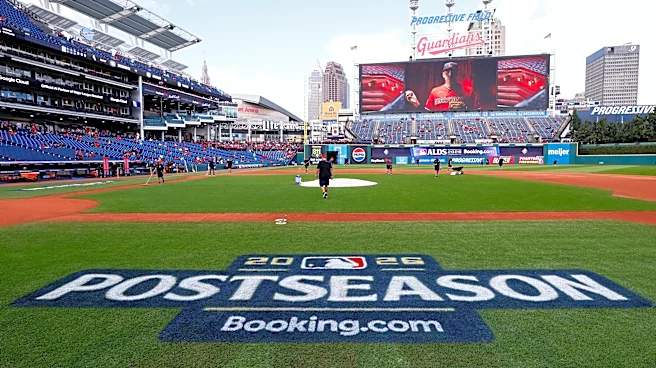
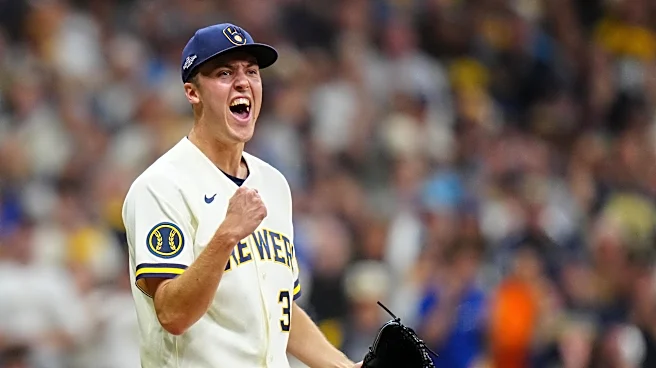
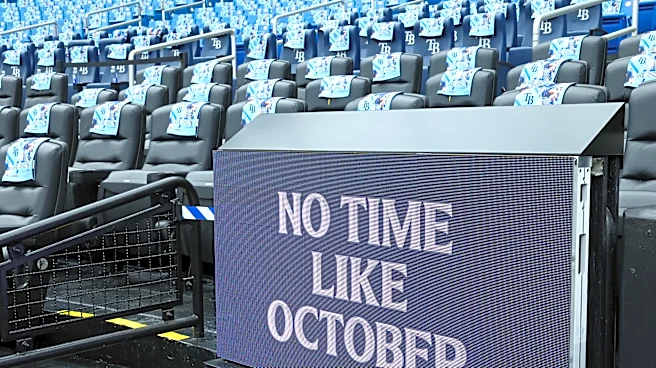
In 2026, three of the four teams remaining in the playoffs are in the bottom 11 in payroll, with the lowest payroll in baseball belonging to the Cleveland Guardians.
The Los Angeles Dodgers are ranked second, a few million behind the New York Mets for the top spot.
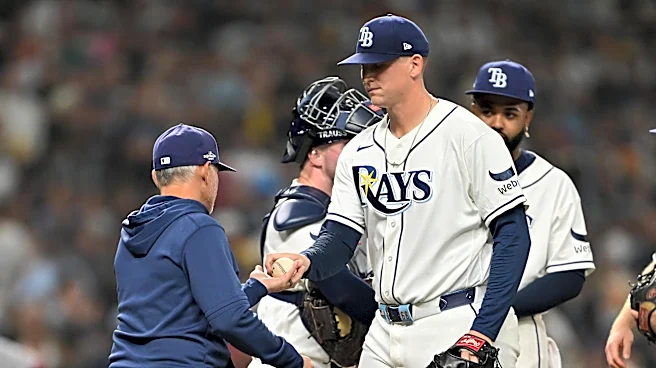
The Dodgers’ payroll is $340.6 million, with another $180.8 million in luxury tax (payroll tracker). Their luxury tax penalty is more than the payrolls of the other three playoff teams. Combined, the Milwaukee Brewers ($143.7 million), Tampa Bay Rays ($98.5 million), and Cleveland Guardians ($74.4 million) total $316.6 million, less than the Dodgers ‘ regular-season payroll.
We don’t know how this season’s playoffs will turn out. At this point, it looks unlikely that the Dodgers will achieve their coveted three-peat for the World Series.
Whoever wins, the point is that MLB doesn’t have a parity problem in the realm of team success. The Guardians and Brewers have been winning for a while now, despite not getting the top prize… yet.
MLB has a Dodgers problem
Smaller market teams can compete. They just have to work harder to achieve success. They have to maximize financial deals, have a smart administrative team making decisions, and their baseball operations have to draft and develop well.
The Dodgers don’t have to do any of those things. With their huge TV deal, merchandising income from their popularity and their superstar players, as well as the huge market they play in, the money is pouring in. They are the poster child for lack of parity.
The Dodgers can make mistakes, have endless injuries, overpay for underperforming players, and still win the NL West every season. No other team in baseball can do what they do. The Mets spend more money and are still a bad team. The organization is a mess and is wasting its advantage.
The real problem is that the Dodgers start every season with an advantage no other team can come close to achieving. They can outspend and outbid most every team in MLB for any player they want. Everyone else can only get a player if the Dodgers don’t want them.
MLB supports the chosen few
Major League Baseball supports the Dodgers in their process. The league makes a lot of money with what the Dodgers are doing. Their justification is that everyone benefits financially because of the luxury tax. The league’s contention is that the real problem is the underspending teams that refuse to try. Those are the teams ruining baseball.
Many of us remember when the Padres were pursuing Yankees free agent Aaron Judge. Offering him a huge contract, the Padres lost out to the Yankees, and Judge returned to the fold. MLB made it clear that they would not have approved that deal anyway. It wasn’t sustainable for a small-market team already committed to multiple big contracts. Peter Seidler got his hand slapped.
Where the Padres stand in this situation
Former owner Peter Seidler spent money when he didn’t really have it to spend. He was determined to turn the Padres into a winning organization and believed that the financials would work out when the success began.
Signing long and lucrative contracts with players who couldn’t possibly fulfill those contracts will hamstring this team for years to come. Aging players drag a team down; especially a team like the Padres, who now have to fill out their roster with a fixed payroll that begins at over $100 million with those guaranteed contracts.
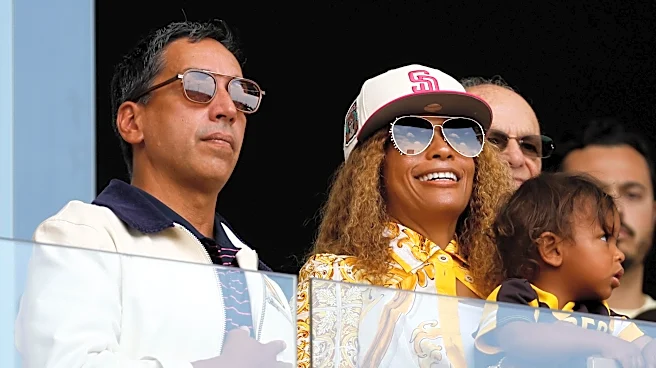
New controlling owners José E. Feliciano and Kwanza Jones have taken over at a tenuous time in baseball. They are saying all the right things about being motivated to fulfill Peter Seidler’s legacy. What happens this offseason may not indicate their intentions.
This offseason could be hampered by the CBA negotiations, a lockout, and a delay to Spring Training and the season. Depending on how all that plays out, the ownership group might or might not get an opportunity to show what they want to accomplish.
The Padres have figured out a way to maximize profits in their limited media market. Fan attendance and enthusiasm help, and so does maximizing the use of Petco Park for non-baseball events. Merchandising is also a help, as two Padres players rank in the top 20 (Fernando Tatis Jr. No. 5, Jackson Merrill No. 18) for jersey sales in MLB.
The Friars finished 2026 with a payroll of $224,019,413 and will pay $8,280,316 in luxury taxes.
They ended up with the fifth-highest payroll in baseball. MLB points to the Padres as the poster child for what can happen when an organization makes a real effort to win in a limited market. But all of the Friar Faithful know that we can never hope to compete with the Dodgers for a division title the way things stand. Not when they have their resources and ability to overcome any and all hurdles.
That means a Wild Card berth is the likely route to the playoffs. A much longer and more difficult road to travel.
The owners need to work for real parity
The goal of the CBA negotiations should be to level the playing field by limiting organizations that can overspend above what any other team can. A cap and floor might do that, but current teams would have to be grandfathered into whatever is agreed to, as there are contracts that can’t be changed. It would only prevent future abuses of the system.
The road ahead for baseball is fraught with financial uncertainty. The unprecedented popularity of the Friars in San Diego is based on their success. Any agreement reached has to support teams in smaller markets so that they can compete with the big market behemoths. Not enough is being done currently to guarantee that outcome.