
We’re less than a month away from the start of the season and next season’s team is slowly but surely starting to take shape. After a slow start, Juventus has loaned out a few of its flops João Mário, though the fact that these were loans and not outright sales suggests that our undesirables are so undesired that… nobody truly desires them.
That said, there was a World Cup this summer, which makes it a little more difficult to conduct regular transfer business. But Juventus has a long way to go to recover
from last season’s disappointing end and an even longer way to winning titles again, so time is not exactly on our side. While I’m encouraged by the restructuring happening in the boardroom and management’s office, I’m still hoping for a little more action on the pitch to restore my faith in the Bianconeri’s revival.
Transfer news
July was a slow month for transfers although the last few days of the month indicated that things might get exciting in August.
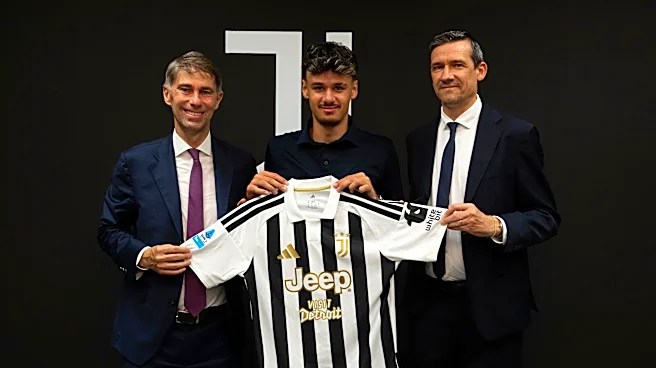
- We have a new striker! Italian teenager Jeff Ekhator has joined Juventus from Genoa for €16 million plus €2 million in add-ons. Austrian fullback David Puczka leaves Juventus Next Gen to join Genoa in a separate deal valued at €5 million. In true Juventus fashion, he became injured in his first appearance for the team, a 0-0 friendly draw against Basel.
- We were briefly in the running for the Sassuolo defender Tarik Muharemović but Leeds United beat us with a better offer of €40 million. Thanks to the 50% sell-on clause that we have in that contract, we will receive half of that fee.
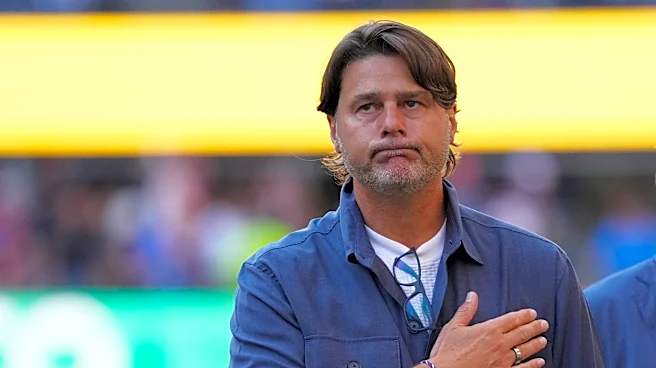
- Juventus Women have a new manager! Say hello to Isaac Guerrero, who was part of the technical staff for the United States men’s national team under manager Mauricio Pochettino assistant for the last three years. Given his stellar CV, this seems to be a great hire for the Bianconere and marks the beginning of an exciting new era.
- Speaking of Juventus Women, the club made so many incoming and outgoing transfers that our writer Barbara did us the great favor of summarizing all those transfers in one article. Grazie!
- Elsewhere behind the scenes, the club has finally filled the vacancy left by Fabio Paratici since 2021. Frederic Massara is the club’s new Chief Football Officer and will be in charge of the men’s football division at Juventus. He will work closely with Sporting Director Marco Ottolini, and reports directly to CEO Giovanni Carnevali.

- More action in upper management! Juventus has terminated the contract of its Technical Director, François Modesto. He was in his role for 364 days.
- The whispers about signing Franck Kessie, who is a free agent, seem to have disappeared. Or at least gone into stand-by mode.
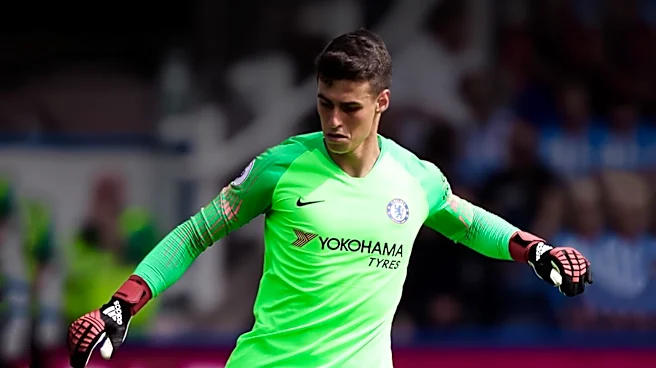
- It seems that we have given up on signing Aston Villa goalkeeper Emiliano Martínez due to a combination of high wages and high transfer fee. The most concrete alternative was looking like the highly-rated Japanese goalkeeper Zion Suzuki — who had an excellent World Cup with Japan and an excellent season with Parma — but he is now very much a target of Paris Saint-Germain. Other options include Guglielmo Vicario (Tottenham) and Anatoliy Trubin (Benfica).
- It would have been one of the more ridiculous signings of the Juventus era, but it seems like the rumors of Juventus re-signing Vlahovic barely a month after his contract expired were false. We were also briefly linked with young Parma striker Mateo Pellegrino but those rumors similarly fizzled out.
- Loïs Openda, one of the biggest transfer failures in recent history, has joined Olympique Lyon on a dry, season-long loan. The French team will pay a loan fee of €3.5 million.
- Another flop, Joao Mario, is on his way to Fiorentina on loan with an option to buy.
- Juventus briefly flirted with the possiblity of signing another free agent, John Stones (formerly of Manchester City). Unfortunately (or fortunately, depending on who you ask), the Englishman joined Inter.
- Speaking of competing for defenders, both Inter and Como have been linked to Colombian defender Jhon Lucumí from Bologna, who will likely leave his club this summer, according to Bologna’s CEO Claudio Fenucci.
- The long, long, longggggggg winded transfer saga with Randal Kolo Muani has finally concluded. The French striker has rejoined Juventus from Paris Saint-Germain on a permanent deal for €38 million and €12 million in performance-related bonuses.
- We also signed Turkish defender Zeki Çelik from Roma (free transfer) and highly-rated Bosnian attacking midfielder Kerim Alajbegović from Bayer Leverkusen (up to €35 million).
The Money Tree
One of the most pervasive stories about Juventus the last few years has been that we are broke. There was a real sense of “woe to us” about how little money we had to spend on new players while the likes of Chelsea, Manchester City, and Barcelona spend the equivalent of the GDP of small countries on overrated new players. The days of splashing the cash on the likes of Cristiano Ronaldo are long gone … right?
Not exactly.
Juventus just spent more than €70 million on two players: Randal Kolo Muani and Kerim Alajbegović, while we also still also had the second-highest wage bill in Italy last season. I will admit that I also briefly bought into the victimhood narrative of Juventus being poor beggars who have been crushed by the ruthless financial juggernauts of (primarily) the Premier League. It seems that we have enough money when we desperately want a player who had a few good months with us (hey Randal!) despite the club winning little silverware the last few years and not making a major sale (yet!) this summer.
Greed
It has been a pretty wild few months on the global political football stage. We have seen extraordinary levels of political involvement of primarily the U.S. government with FIFA as the line between politics and football has become thinner and thinner, though this level of government involvement in the game is not necessarily unprecedented.
FIFA President Gianni Infantino tried to capitalize on the political power he has amassed during his presidency by announcing a plan to create a commercial subsidiary to run major FIFA competitions (including the World Cup) and allow outside investors to buy shares in this enterprise. After the plan faced an avalanche of criticism from almost everybody within (and even outside of) football, Infantino canceled the idea.
It reminded me of the Super League fiasco from a few years ago when Andrea Agnelli and Co. made a failed attempt to form a coalition of mega clubs that would break away from UEFA. A pattern of excessive hubris from those in power, perhaps?
To go back to the theme of this review, I am fascinated by the continued attempts of the heads of footballing institutions to both find new ways to simultaneously create (new competitions left, right, and center) new sources of revenue and extract (Infantino’s plan) money out of the game and into private hands. Which begs the question … why?
Does football not generate enough revenue? Surely not, given the billions in revenue generated from spectacles like the World Cup and the UEFA Champions League. FIFA claims that it distributes the majority of its revenue to member associations or reinvests it into its development programs, so we should all be sharing in the riches of the game.
I’m encouraged by the fact that both the plans for the Super League and the FIFA Ponzi Scheme collapsed (at least temporarily) under the pressure of people power. Will it be enough to maintain our ability to love and enjoy the game the way we have for so many years and across so many generations?