


The Houston Rockets, being the Rockets, like to do things The Hard Way. In their second championship season, 1994-1995, the Houston Rockets defeated more combined playoff opponent regular season wins en route to their title than any team in NBA history before, or since. Because of Hakeem Olajuwon’s injury that season, the Rockets didn’t finish with a great record 47-35.
In winning the Finals, they traveled the hardest playoff road of any team title winning team, ever. The Rockets never had home court
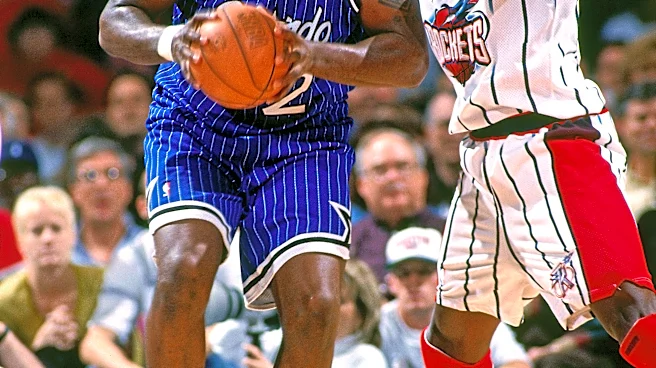
advantage in any series. In the first round they faced the 60 win Utah Jazz, and won 3-2 (the first round was five games back then). In the second round they played the 59 win Phoenix Suns, and won 4-3, winning game seven in Phoenix. In the Western Conference Finals, they battled the 62 win San Antonio Spurs and the NBA MVP, David Robinson. They won that series 4-2. In the Finals they took on the 57 win Orlando Magic, who reached the Finals after defeating Michael Jordan’s Bulls in six game. The Rockets swept the Magic.
Why am I talking about these things? Because 1994-95 demonstrates that difficult things can be done in the NBA. The most difficult title path in NBA history was walked by the Houston Rockets. Today’s Houston Rockets face a similar, perhaps even less likely, uphill climb.
The Rockets started out a playoff series they were expected to dominate against an injured Lakers team 0-3. Well, that’s a tough row to hoe, but it’s doable, right? Not in terms of NBA history. The record of teams facing an 0-3 deficit is a morbid 0-160 in NBA history. Only 3 of those 160 series finished 4-3, with the usual case being that the winning team took at 3-0 lead, messed around, and then won. About 2% of all such series have gone to seven games.
The Rockets, then, would be facing an uphill climb, just to force game seven in Los Angeles. They’d have to do the literally unprecedented to win the thing.
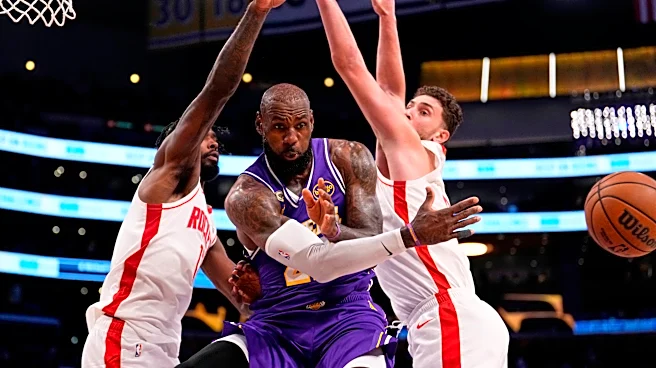
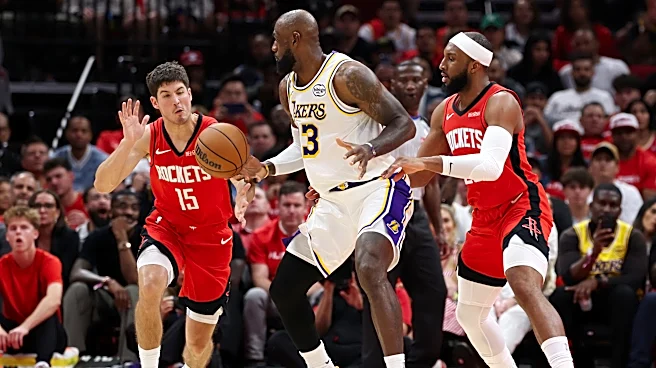
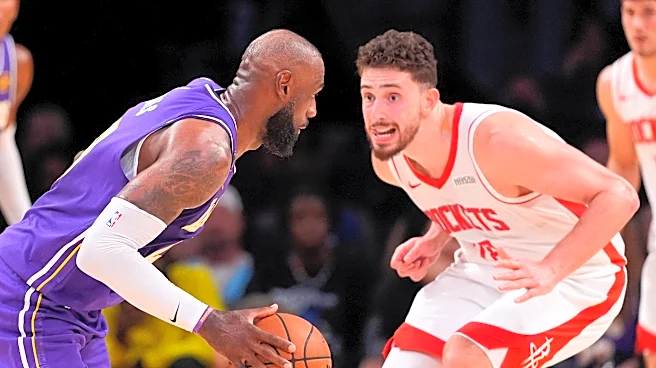
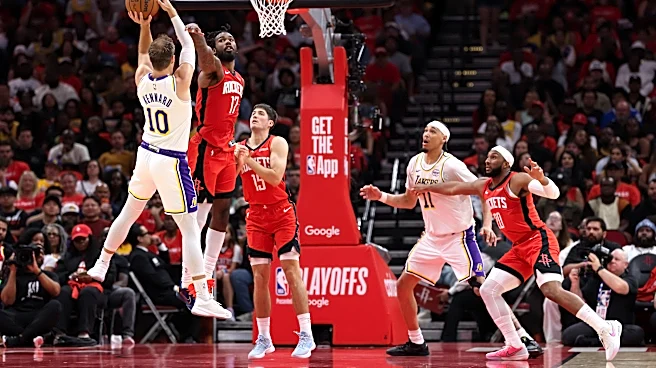
There’s some reason to think they might, though. The first is, despite Luke “The Duck” Kennard and Marcus “The Dick” Smart going crazy early on, the Rockets have held the Lakers to an average of 97 points per game, throughout the series. The Lakers in the first two games made a high percentage of difficult shots. They didn’t do that in the next three games, but the Rockets, of course, gave away game three. In games four and five, without Kevin Durant, the Rockets played better offense, while maintaining their defense. It wasn’t good offense, mind you, but better than the dregs of games one and two.
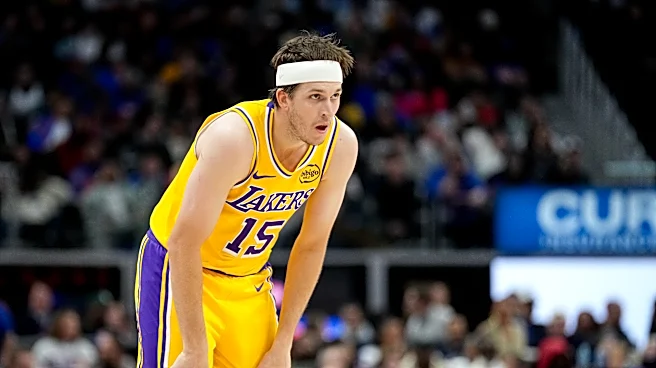
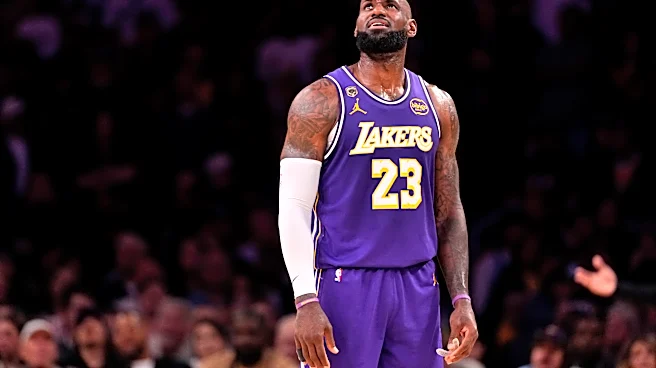
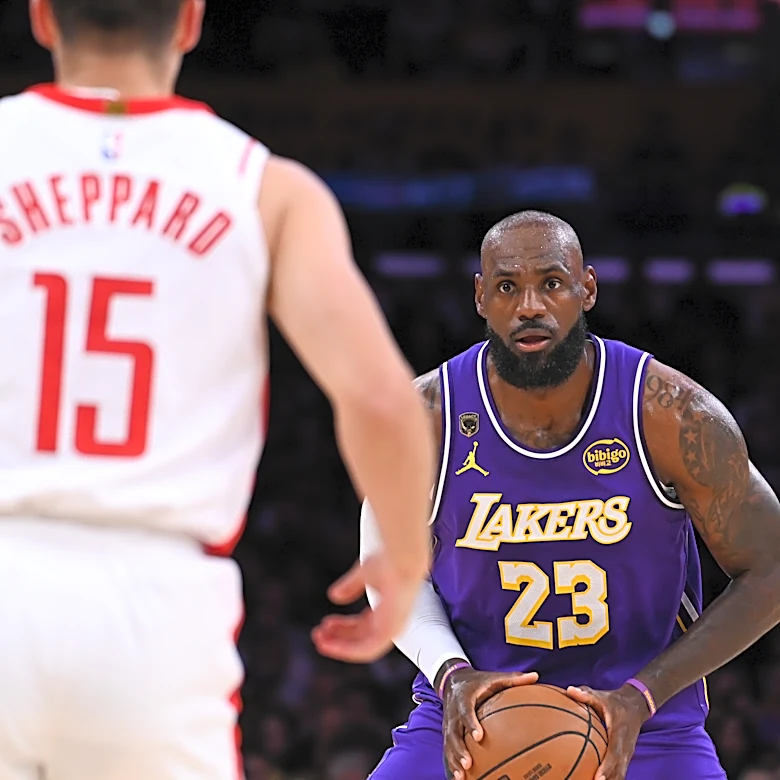
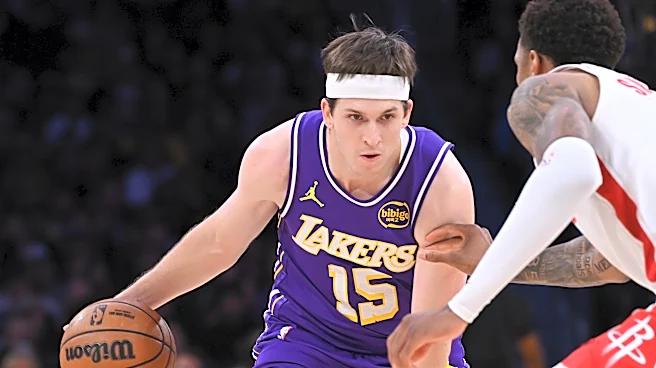
That might be enough. So far the Lakers best player has been, surprise, 41 year old LeBron James. James, though in fantastic shape, is in fact 41 years old, and the last two games (if game seven happens) will both feature only one day of rest in between the contest, a day partly spent in travel. The whole Houston starting lineup, either the youngest, or second youngest, in NBA playoff history, is roughly half of James’ age. Energy and force might be the deciding factor (we can hope it isn’t specious free throws for the repugnant Austin Reaves).
The Rockets have to win tomorrow night in Houston, and then somehow overcome the collective desire of the NBA League Office and its broadcast partners, to knock the Lakers out of the playoffs. If any team can do it, though, it’s the contrary, strange, often painful to watch, Houston Rockets. It’s in the team DNA, after all.