



You could feel it last night during the loss to the San Antonio Spurs, couldn’t you? When Suns’ rookie wing Koa Peat entered the game, you could feel that “disease of what if” beginning to creep in. Perhaps I felt it more than most because I’d spent my morning browsing eBay, looking through the newly released 2026-27 Topps basketball cards and hunting for Peat rookie cards. Side note: I love that they’re doing the 45th anniversary of the 1981-82 Topps cards. Classically beautiful.

So when he entered
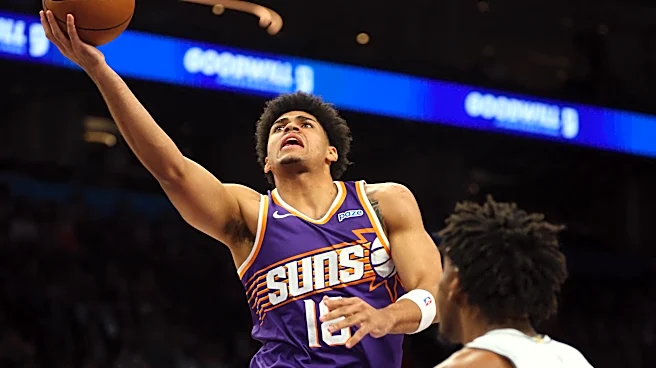
the game with 5:56 left and the Suns trailing by 30 points in the fourth quarter, I suddenly had a reason to remain engaged for the rest of the evening. And he didn’t disappoint. The first time Peat touched the ball, he attacked the cylinder, drove left, spun right, and banked a beautiful 6-foot shot off the glass for two points. On the very next possession, he found himself in transition and tossed an alley-oop to Michael Jordan reincarnated in Jamaree Bouyea for another two points.
I felt it deep within my soul. We need to get this guy minutes!
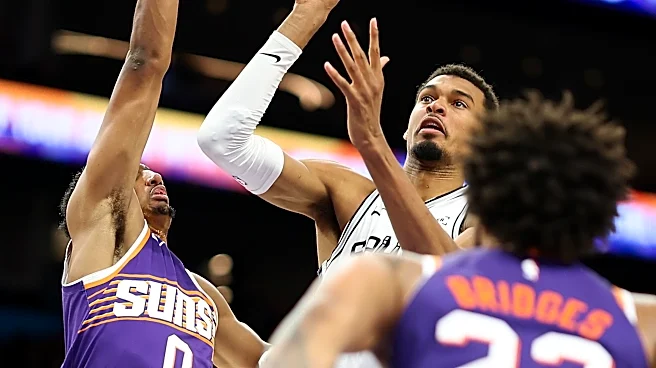
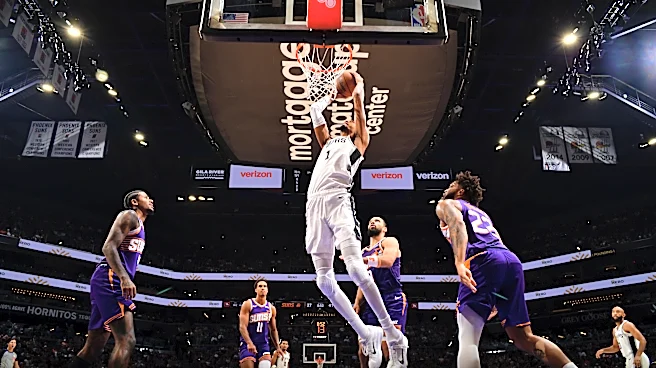
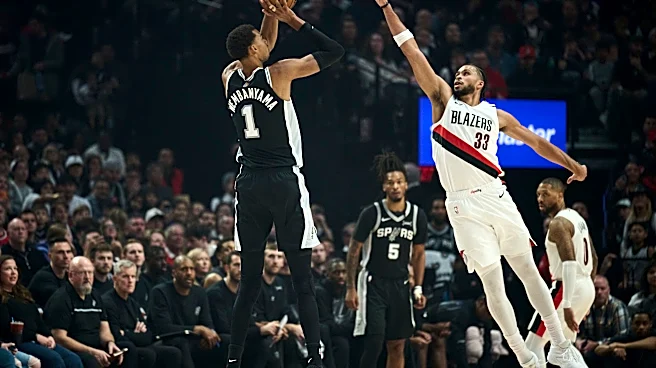
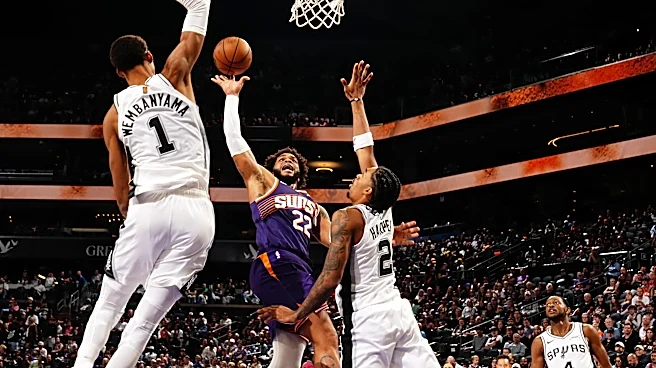
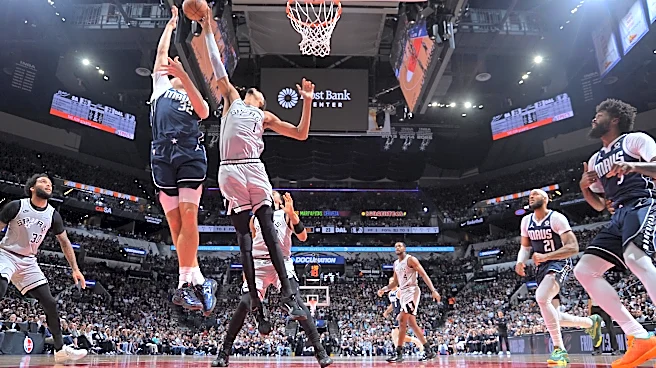
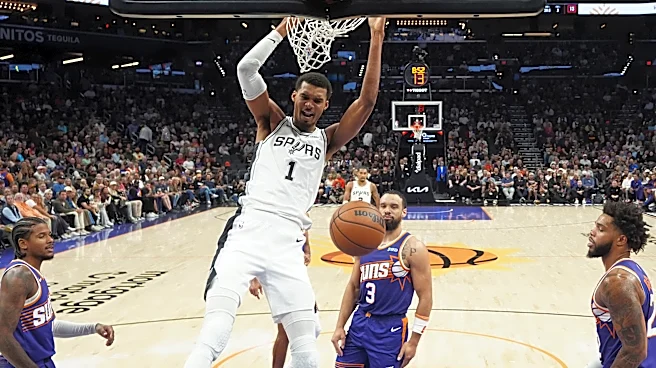
Then reality quickly set in. There aren’t necessarily minutes available for him right now, and one of the primary reasons those two possessions looked so beautiful was sitting comfortably on the San Antonio bench. Victor Wembanyama, the very villain responsible for putting Phoenix in a 30-point hole, wasn’t on the floor to swat either opportunity into the fifth row.
When you’re watching a team that desperately lacks size and rebounding, any opportunity to see a player who possesses those attributes immediately feels like you’ve stumbled upon the solution. You begin convincing yourself that the coaching staff doesn’t know what it’s doing, that players like Peat should be receiving consistent opportunities because they offer something the current rotation is sorely missing.
On paper, that sounds wonderful. In reality, it’s not nearly that simple, and there are legitimate reasons why it shouldn’t happen right now.
For starters, where are those minutes supposed to come from? Ryan Dunn has been playing out of his mind to begin the season. Are we supposed to take some of his limited 16.7 minutes away? Do we cut his playing time in half so Peat can get on the floor long enough to work up a sweat without ever establishing enough rhythm to make those minutes meaningful?
Granted, if we could carve out some minutes from Jalen Green, I’d certainly entertain that conversation. Perhaps that’s where an opportunity exists. But the reality is that developing chemistry and cohesion requires consistency within your rotations. You can’t expect players to become comfortable with one another if you’re constantly reshuffling responsibilities and playing time every time a rookie enters a game and strings together two positive possessions.
Quite honestly, if Peat is receiving significant minutes right now, it probably means the Suns have shifted their priorities away from winning in the present and toward developing for the future. As I’ve stated before, losing doesn’t benefit this franchise. Phoenix doesn’t control its own draft destiny, so intentionally prioritizing development at the expense of winning creates a situation where you’re accumulating losses without receiving the traditional reward that comes with them. You might as well go out there and try to win basketball games.
There will eventually come a time when development becomes a greater priority. If the Suns remain 12th in the Western Conference standings as the season progresses, the organization may need to reevaluate its approach and provide more meaningful opportunities to its younger players. At that point, giving Peat, Fleming, and others additional minutes could become an important part of determining what the future looks like.
But we’re nine games into the season. Nine. And while I recognize there are people already pounding their fists on the table demanding more playing time for Peat, I’m here to tell you that now is neither the time nor the place.
That’s the challenge of the disease of what if. It sends your mind wandering toward hypothetical solutions that seem perfectly logical when you’re watching your team get dismantled. You see a young player make a couple of exciting plays, recognize that he possesses attributes your team desperately needs, and begin imagining how differently things might have unfolded had he been given an opportunity earlier.
But countless variables contribute to those moments. The opponent’s personnel, the score, the defensive intensity, the matchups, and the circumstances surrounding those opportunities all matter. And because you’ll never receive a definitive answer to what would have happened had that player entered the game earlier, the hypothetical begins to feel like a solution.
Adding some fuel to the debate is that Suns’ head coach Jordan Ott stated just a few days ago that Peat is “right on the cusp.”
“Koa is next and Koa’s right there on the tip,” Ott stated. “We understand that he’s young and he’s hasn’t done doesn’t have a ton of NBA game experience, but again, the way the game is moving, the ability to drive, process, and defend the drive, he appears to have it, and he’s right there. He’ll get his opportunity, and we have full faith that that’s what’s coming.”
The Suns could certainly use some help on the glass, as last night’s loss served as another painful reminder of how difficult it has been for this team to secure rebounds. Phoenix was outrebounded by 20 against San Antonio and currently ranks dead last in the NBA with a 44.6% overall rebounding percentage. Perhaps even more concerning is its defensive rebounding percentage, which sits at a league-worst 60.1%. That means opposing teams have an alarmingly high likelihood of extending possessions by grabbing offensive rebounds, a recurring nightmare for Phoenix.
The consequences are showing up on the scoreboard. The Suns allow a league-high 19.0 second-chance points per game, essentially handing opponents additional scoring opportunities because they cannot consistently finish defensive possessions with a rebound. It’s difficult enough to stop NBA offenses the first time around. When you’re giving them multiple opportunities to score on the same possession, you’re making an already challenging task nearly impossible.
Where do I land on Koa Peat? I want to see him play. I want to see what he can become, and I certainly want the Suns to develop the talent they’ve invested in. But wanting to see more of a player and believing he deserves more minutes right now are two different things.
The Suns have to balance the future with the present, and nine games into the season, they still have a responsibility to compete. Maybe Peat eventually earns a larger role. Maybe the circumstances change and create that opportunity. Until then, we have to resist the temptation to turn two exciting possessions into an answer to problems that are considerably more complicated. The disease of what if is powerful, but it doesn’t necessarily make the prescription any better.
Me? I’ll just head back over to eBay and hunt more rookie autos.