


Every year, fans are excited about the new crop of players their team has added. It offers new hope for the upcoming season. And every year around this time, we start to repeat those patented words about how final roster cuts are going to be difficult. That’s the song we sing over and over every new season, so it should come as no surprise that we’re singing it again this year. But this time, we really mean it!
The Dallas Cowboys have been aggressive this offseason, and because of that, there’s some
evidence suggesting that this year’s claim actually holds a bit of water rather than just being an ice-cold glass of optimism. That is not to say that we are suggesting that this team has a loaded roster. Instead, it comes from a sudden and highly unusual surplus of legitimate, competitive depth. After years of relying on the thin hope that their stars would simply play every snap, the Cowboys have aggressively reinforced the depth of the roster. This year features an offseason of uncharacteristic roster building, which has set the stage for some fascinating training camp battles where some roster-worthy football players are inevitably going to get sent packing.
A massive part of this looming logjam stems from a refreshing pivot in how the front office operated this spring. In previous years, the external additions felt like a collection of low-cost lottery tickets. We have all watched them try to turn modest free agents like Jack Sanborn into surprise starters, or treat a cheap trade acquisition like Kaiir Elam as a reclamation project just looking for a change of scenery. This time around, they skipped the clearance shelf and brought in players with established NFL starting experience. By infusing the roster with proven veteran competency, Dallas has created a floor of quality that will raise the stakes of every single preseason snap.
Compounding this depth surge is the franchise’s stubborn loyalty to its own draft picks. Historically, if the Cowboys called your name on draft weekend, you could practically book your flight to the season opener. Over the last decade, the team has boasted a staggering 89% retention rate for its drafted rookies. Cutting a draft pick in Dallas is treated like a minor organizational tragedy, and that philosophy will be tested heavily given the structure of this year’s class. Six of the seven new rookies were selected within the first four rounds, making them almost certain locks to occupy roster spots, but also increasing the overall talent pool of this year’s draft class. This leaves seventh-round wide receiver Anthony Smith as the lone rookie walking into camp without a metaphorical security blanket, carrying the heavy burden of being the only true wild card in the class.
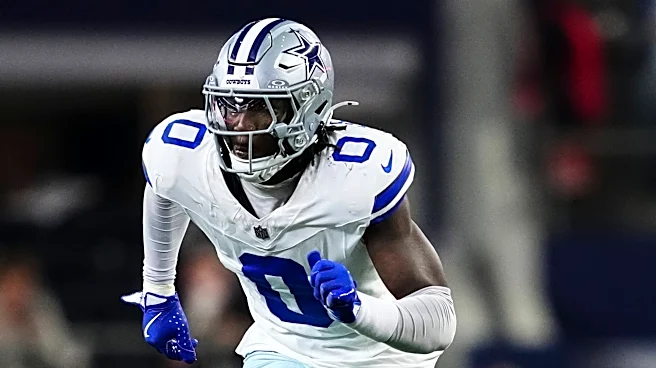
The draft picks are only part of the equation when you look at the names likely to push players off the bubble. New acquisitions like Rashan Gary, Jalen Thompson, and Dee Winters are not just locked into the roster. They are essentially scribbled into the starting lineup with a permanent marker. Behind them, guys like Cobie Durant and Otito Ogbannia are highly likely to secure prominent rotational roles that will keep the defense fresh. Even as you scroll down to the absolute bottom of the depth chart, competent veterans like P.J. Locke, Jonathan Bullard, Matt Hennessy, and quarterback Sam Howell may also be there when the dust settles on final roster cuts. It creates a situation where the list of fringe players grows as some very solid players fight for one of the last seats in the meeting room.
Whether this collective talent translates into a deep postseason run remains a huge unknown, but the front office has undeniably fixed a critical flaw. In recent seasons, the Cowboys have relied on a top-heavy roster, only to see things crumble underneath them when subjected to injuries that call their depth into action. But that doesn’t appear to be the case this year, which is crucial because this newly established resilience will be tested early and often, especially when looking at a couple of truly brutal stretches hidden within the 2026 schedule. Having real football players available down the roster is not a luxury in the NFL. It is a survival mechanism.
Ultimately, these are good problems to have, as training camp should be much more entertaining because the competition is fierce, forcing every fringe player to earn their keep. While the coaching staff will have to make some tough calls when final cuts arrive, the fans get to enjoy a team that finally looks built to withstand the distance. There is a palpable energy building around how these pieces will fit together, and the battle for the final 53 promises to be a fun Texas show this summer.