

It can happen to anyone, any team, at any time. Right now, unfortunately, the Chicago Bears are going through it.
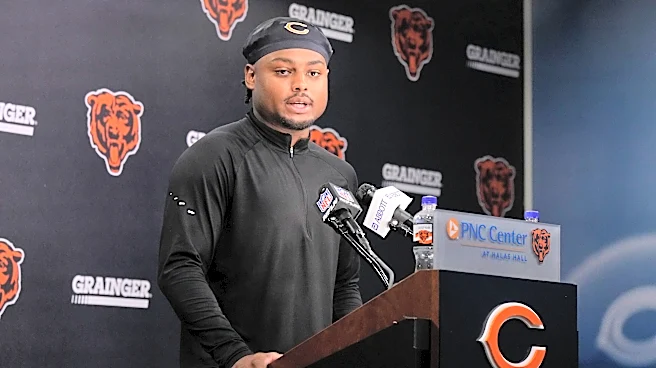
Safety Coby Bryant, arguably the centerpiece of this year’s free-agent haul, will reportedly miss 8-10 weeks after suffering a knee injury in yesterday’s practice—better than the alternative, as it won’t require surgery, but not ideal for the Bears. He’ll now join fellow safety Elijah Hicks (shin) and cornerback Kyler Gordon (calf) on the PUP list, putting additional strain on the defensive
back room.
When you take into account that edge Dayo Odeyingbo is coming off of an Achilles injury and second-year defensive lineman Shemar Turner (knee) is also on the PUP list from the injury he suffered last year, this defense has a lot of question marks heading into a critical 2026 season. That’s especially concerning given that Chicago largely kept their defensive core the same—aside from adding quality starters like Bryant and linebacker Devin Bush and rookies like first-round pick Dillion Thieneman—rather than making a high-upside splash move this offseason.
And Ryan Poles likely doesn’t have a major move up his sleeve to change the calculus, with adding veteran secondary depth probably his only consideration right now.
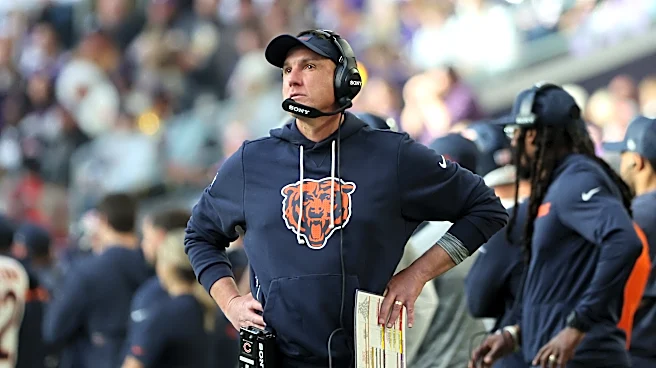
In the end, all of that points toward the same thing: all the pressure is on Dennis Allen to make this defensive roster work.
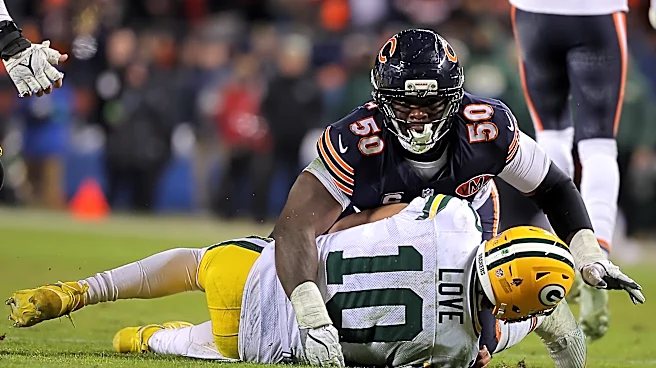
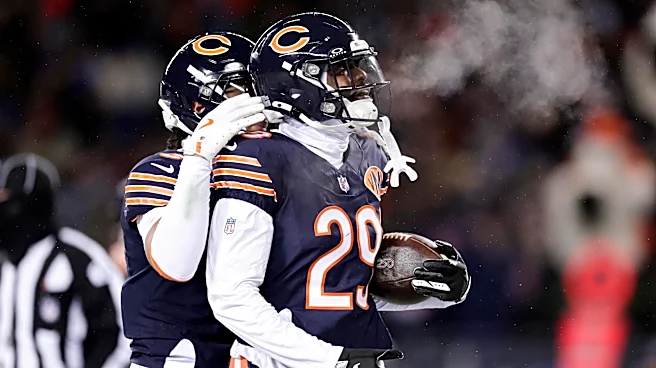
Despite ranking poorly in most advanced metrics and missing true blue-chip talent last season, the Bears’ defense broke even, more or less, by generating a league-leading 33 takeaways (including 23 interceptions) in 2025. Moreover, players like Nahshon Wright (now with the New York Jets) stepped up when called upon and turned in strong seasons, suggesting the Bears can likewise get big plays out of backups and young players in 2026 as well.
Is it wise to count on the whole of the Bears’ defense being greater than the sum of its parts again? Probably not. Turnovers are famously finicky, as many rely on good luck. Just take the drop-off between the Bears’ record-setting 2018 season (36 takeaways) and their underwhelming 2019 campaign (19 takeaways) as evidence. History would suggest Chicago is in for a similar regression to the mean this season when it’s all said and done. For those interested, Allen’s teams (as either a DC or head coach) have had eight seasons ranked in the bottom half of the league in takeaways against seven in the top half of the NFL.
Do they have the talent to withstand that variance? I’m not sure they do. But they seem ready to roll the dice.
Allen’s defenses, aside from a few peak years in New Orleans from 2022-2024, have rarely been among the league’s best in terms of points per game and yards allowed. Some units, like last year’s, were basically turnstiles. But the trick is that they’re usually good enough to survive even without top talent, adhering to the old “bend, don’t break” philosophy and using mind games and simulated pressure as much as possible to disrupt an offense’s thought process. They don’t usually dominate; they keep the bleeding to a minimum and try to get key stops/takeaways in big moments.
That’s a tough way to live, but last year was proof it can be done. And with Ben Johnson seemingly trying to score 40 points a game with his stacked offensive unit, Allen and the Bears defense just have to allow no more than 39 on their end. As the San Francisco 49ers game last year demonstrates, that approach can get you burned. But, as seen in the playoffs against the Packers and Rams, Allen’s squad proved it could step up when the chips are down.
Without the assurance of Bryant, Gordon, and several other players being available or as effective as they could be, that’s what Allen and this defense must do: enough.