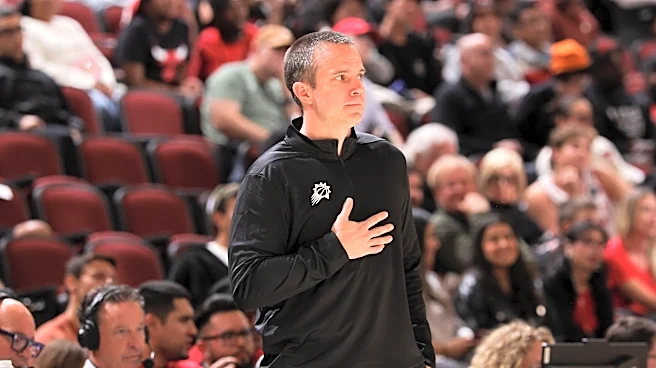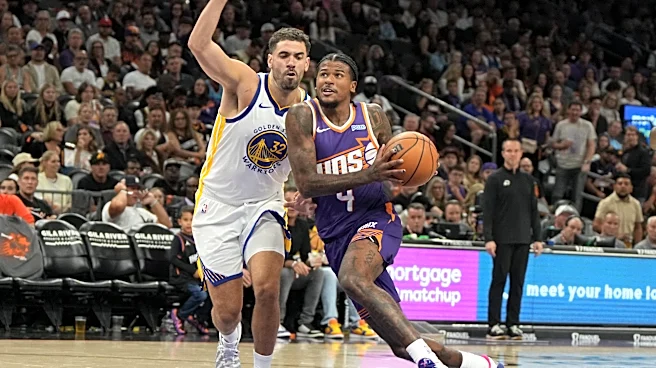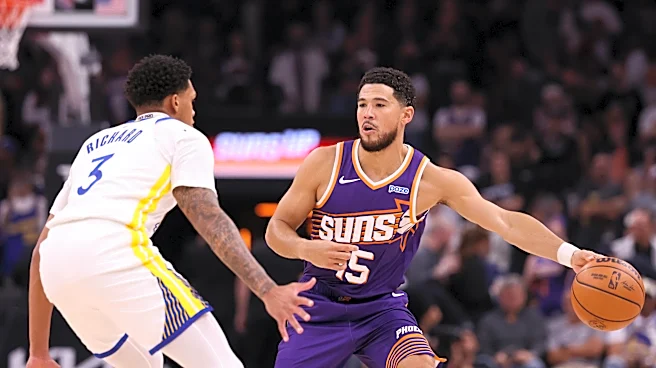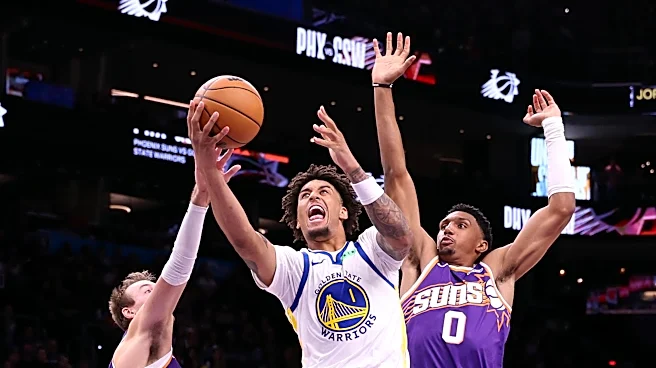


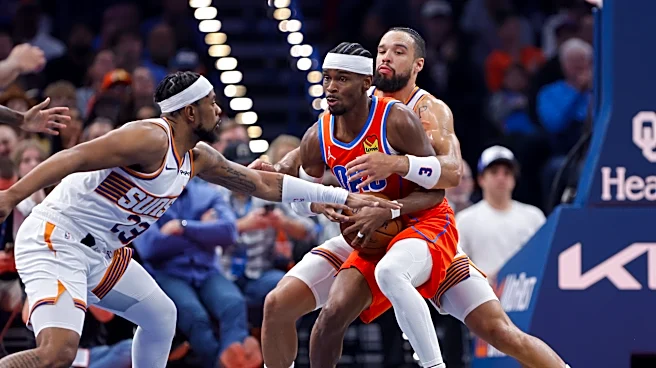
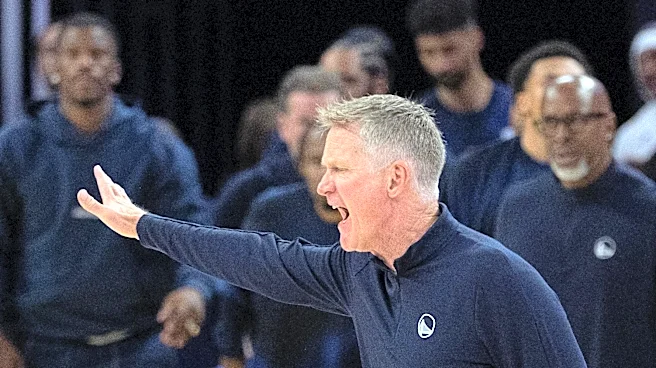
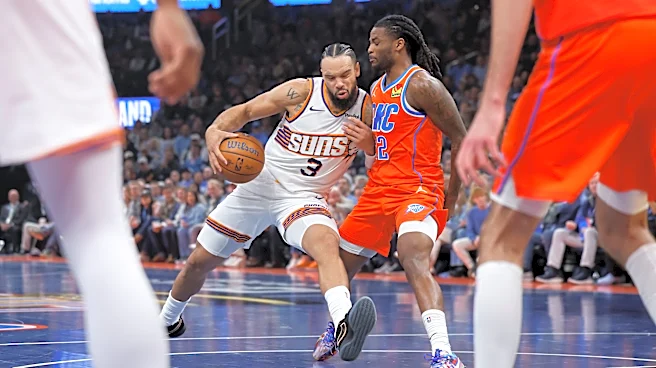

Small-ball lineups have been the bane of Jordan Ott’s existence during his early tenure with the Phoenix Suns, as through his first season and three games, it appears that they simply don’t work. The team compromises on rebounding to prioritize athleticism and flexibility. In theory, you should be able to play five out and shoot the ball effectively, but the Suns aren’t particularly good at shooting the ball.
But here’s where two harsh realities need to take root, at least based on the small sample
size we’ve experienced through the first three games. First off, you don’t have to look exclusively at small-ball lineups to recognize the undeniable truth that the starting five hasn’t played particularly well together either. The combination of Booker, Brooks, Bridges, Green, and Khaman Maluach has logged 37 minutes together, producing a net rating of -35.5 and an offensive rating of 94.7.
The second is that small-ball lineups exist within the Phoenix Suns’ ecosystem out of necessity rather than by schematic preference. Ott isn’t sending Miles Bridges out there at the five because he thinks it’s a strategic advantage. Mark Williams is injured. Oso Ighodaro is injured. That’s a seven-footer and a 6’10” big man who are simply unavailable. The Suns are rolling out small ball lineups because they have to.
And yes, some of those lineups have been absolutely blasted early on. To the moon. Take the combination of Collin Gillespie, Jalen Green, Devin Booker, Dillon Brooks, and Miles Bridges. That group has playeda total of 6 minutes across 2 games and has a net rating of -105.2. I didn’t know that was possible. It is.
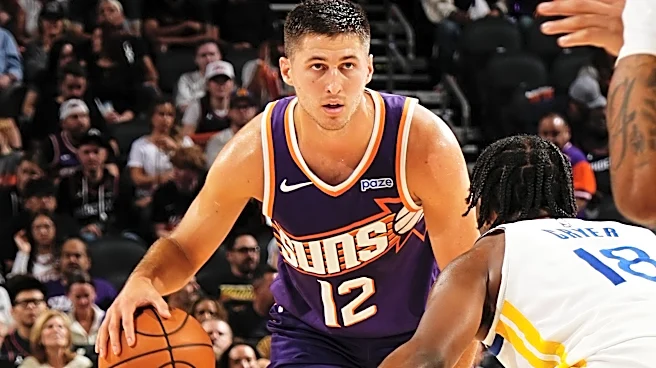
What’s interesting, however, is that the five-man lineup with the second-most minutes played this season features Collin Gillespie, Jordan Goodwin, Luke Kennard, Miles Bridges, and Ryan Dunn. Would you call that one small? I sure would. Yet that group has an offensive rating of 131.8, a defensive rating of 100.0, and a net rating of +31.8. Gasp!
So all this pounding the table about the small-ball lineups Ott is putting on the floor is based on a false premise. He’s not doing it by design, and within that context, one of the combinations he’s deployed has actually been productive.
If your response is, “Well, they should throw Rasheer Fleming into the fold because he has size,” let’s remember a few things. First, he’s still only 6’9”… so he would be too small as compared to the opposing center’s size. Second, think back to the preseason and the challenges he experienced in understanding his spacing and where he needed to be on the floor. Now ask him to know where to be as a five. Good luck with that. Third, when Fleming has played as the small-ball five alongside Gillespie, Goodwin, Bridges, and Dunn, that group has produced an offensive rating of 33.3 and a net rating of -36.7 over five minutes. That ‘disease of what if’ relative to Fleming isn’t a quality argument for his insertion into this shit show.
There’s a lot wrong with this team right now, of that there is no doubt. And once again, we’re searching for the person responsible, the individual upon whom we can place the blame. For some people, that finger points directly at Jordan Ott. I’m not suggesting he’s without sin in this situation. I’m simply making the point that the small ball philosophy is being forced upon him rather than chosen, much like what we witnessed during the back end of last season.
Even within those circumstances, there are some positives worth recognizing. The Suns have real problems to solve, and small ball hasn’t exactly covered itself in glory through the first three games. But context matters. Phoenix is playing without its two primary centers, the starting lineup hasn’t found its footing, and at least one smaller combination has produced encouraging results. Jordan Ott deserves scrutiny, but he also deserves a fair evaluation of the circumstances he’s navigating. Before we declare small ball a failed experiment, let’s see what happens when the Suns actually have the personnel to make other choices.