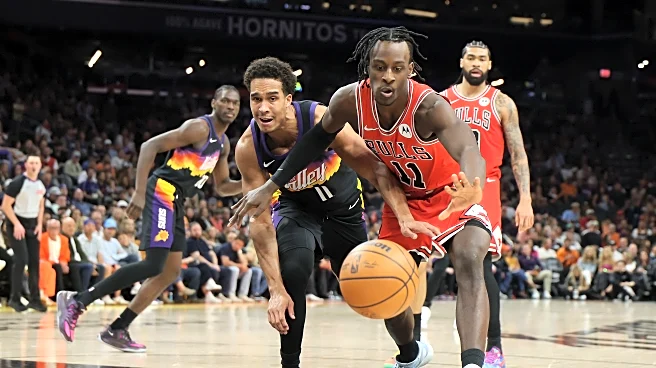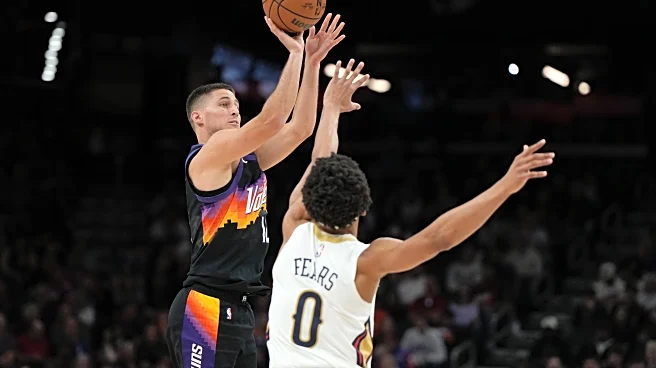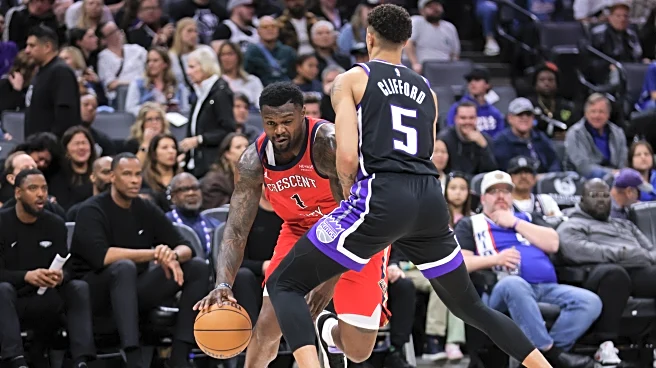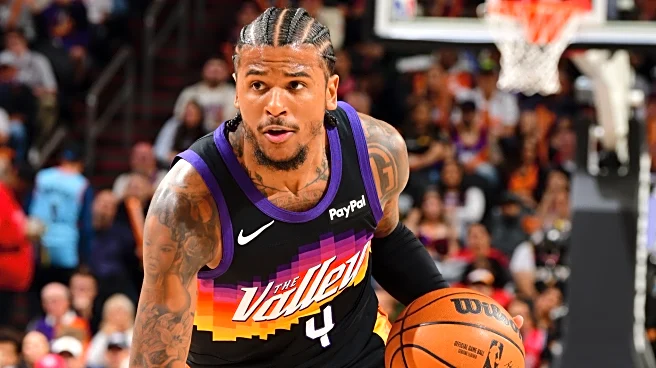


The Phoenix Suns have a very good big-picture “problem” right now.
The status of Mark Williams’ injury does not change the point of this piece. He has, to this point, been the healthiest he has of his career. This article was in progress before this announcement came out, for what it’s worth. This is more about this trio of centers coexisting in the short-term, but also discussing a tough decision this summer.
Oso Ighodaro is routinely looking like the best
center on the Suns roster of late, and Jordan Ott is rewarding him. That reward comes to the detriment of Mark Williams’ time on the floor. With Williams out tonight and Nick Richards now out of the picture, that leaves Khaman Maluach as their backup center to Oso Ighodaro, who will shift into the starting lineup.
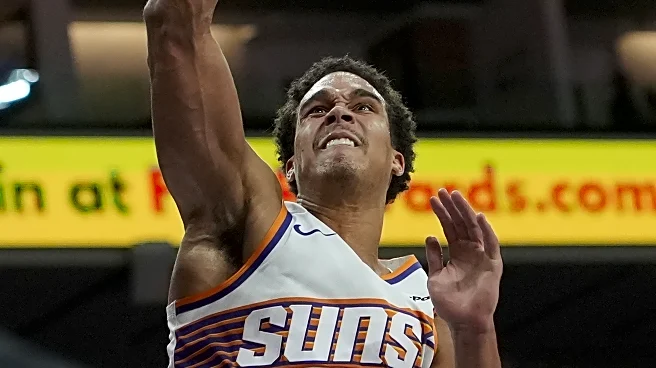
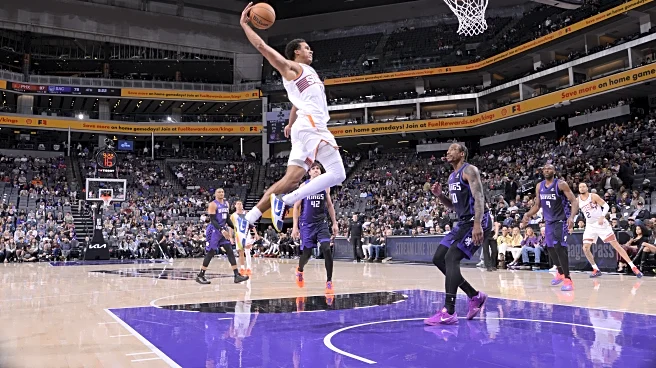
In Tuesday’s win over the Sacramento Kings, Ighodaro delivered one of his strongest games of the season, finishing with 14 points and 14 rebounds in a performance that helped Phoenix complete a season series sweep and fortify a balanced attack on both ends.
Last night’s performance wasn’t a fluke or one-off. It’s who he has morphed into after a slow start to the season.
This season has seen Ighodaro evolve from a role player into something closer to a defensive anchor and offensive facilitator, the kind of glue guy that isn’t always obvious in highlight reels but impacts the flow of a game. He is one of the few Suns players to see consistent minutes across most of the schedule, and his ability to set screens, read cuts, make plays out of short rolls, and contest at the rim has made the Suns tougher to dissect for opposing defenses. He’s an easy player to take for granted.
At just 23 years old, Ighodaro has the length, motor, and IQ to be a disruptive presence on both ends of the floor. His season averages (around 5.8 points, 4.7 rebounds, and 2.0 assists on about 63.5 percent shooting) may not jump off the stat sheet, but they hide the nuance of his role, especially how he makes life easier for Phoenix’s primary creators and how his activity on defense frequently leads to transition opportunities.
Ighodaro’s rise, however, complicates things when you look at the other pieces at the Suns’ disposal.
Mark Williams entered this season as Phoenix’s presumptive starting center and center of the future after they dealt two first-round picks to acquire him. As we all know, he will be a restricted free agent this offseason, which means the team will have to weigh his performance, fit, and injury history when negotiations come. At full strength, Williams offers size, finishing ability, and rebounding that a contending team needs, but that same size and impact are now being challenged by Ighodaro’s ascendance. Williams has been solid, but he has his moments where he can fade. I’m not sure a heavy investment at the center position makes sense with Oso Ighodaro and lottery pick, Khaman Maluach patiently waiting.
Maluach has not been rushed. His development has been methodical, with much of his early seasoning coming through the G League and spot minutes in Phoenix. That approach was intentional, and Maluach was seen as raw when he arrived, and the team has tried to ease him into physical NBA action rather than bury him under early expectations. With Richards shipped out and Williams out, this will serve as an opportunity for him to show he can make an impact in meaningful minutes.
For now, Ighodaro sits at the tip of the spear in Phoenix’s frontcourt. His performances have changed how Ott deploys personnel, how opponents match up, and how the Suns think about the position going forward. Williams’ contributions give the team stability, and Maluach’s development provides optimism for years beyond this one.
Balancing all three is not simple. But it is a sign of organizational depth, and the kind of complexity a team on the rise usually welcomes, even if it keeps fans talking. In the meantime, all the focus is on optimizing this current version of the Suns’ center rotation, which looks as strong and promising as ever.