





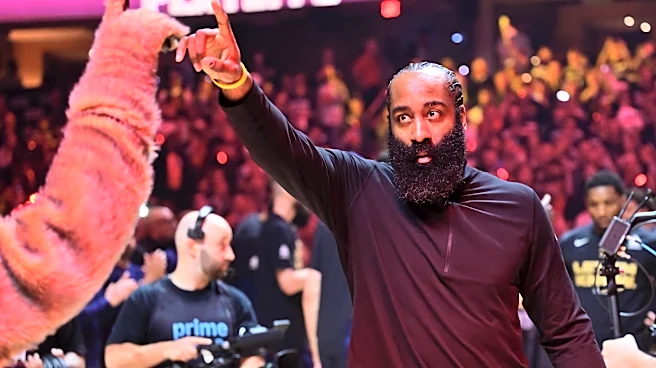

CLEVELAND — Toronto Raptors head coach Darko Rajaković was perplexed about Brandon Ingram’s lack of free throws after his team dropped Game 2 to the Cleveland Cavaliers 115-105. In the process of that complaint, he admitted something that maybe no other coach has about this era of Cavs basketball.
“Cleveland is playing with a lot of physicality,” Rajaković said. “They’re very prideful of their physicality, and their whole team was very, very physical with Brandon.”
These comments were mostly directed
at how the Cavs defended Ingram, but it also speaks to how this Cavaliers team has evolved on both ends of the floor.
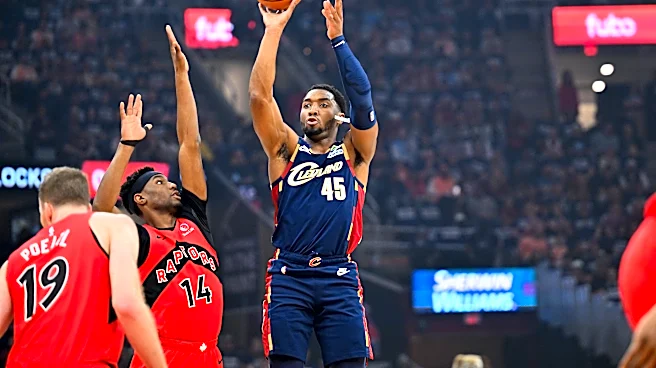
Donovan Mitchell had one more thing to say to the media after his postgame press conference ended in the wake of his 30-point performance.
“As much as y’all talk about us three: me, him (James Harden), and Ev (Evan Mobley)… Dean Wade deserves a ton of credit for tonight,” Mitchell said. “I know he only had three points, but his impact is extremely high outside of just scoring. Y’all need to give him his credit. He’s playing at a high level right now for us.”
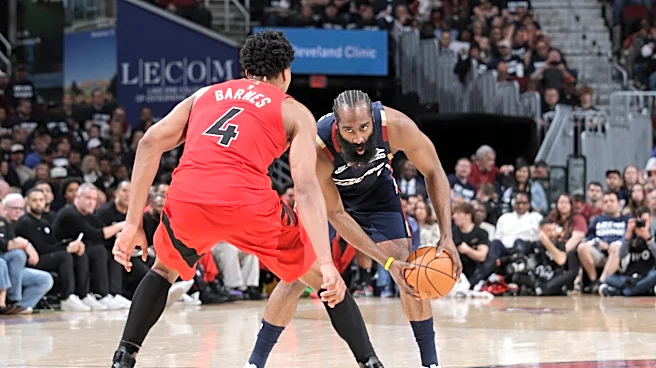
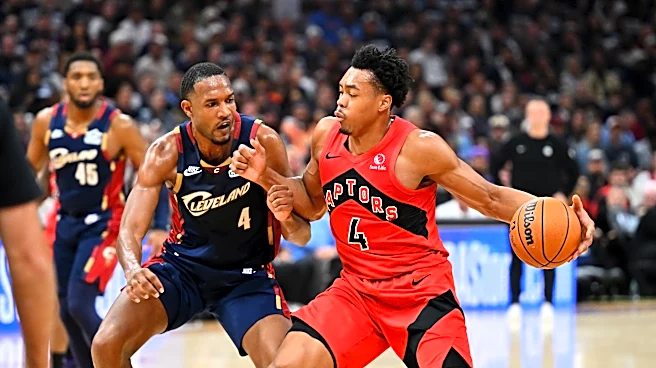
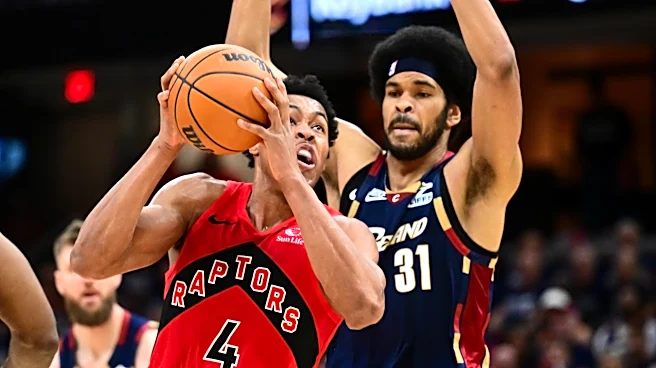
Playoff basketball often comes down to whether you can take away one of the things your opponent does best. The Cavs have made a concerted effort to make Ingram work — Toronto’s leading scorer — to impact the series with his jump shot. They’ve been physical with him at the point of attack, forcing him to work to get to his patented midrange jumper.
And the one making it difficult for Ingram was Wade, due to his strength advantage.
It’s hard to contest a tough shotmaker like Ingram. At 6’8”, he can usually rise above his defender in the midrange for a clean look. And even if the defender does get a contest, he’s skilled enough to make them anyway.
The best defense for someone like that doesn’t necessarily come from contesting the shot, but by making it challenging for him to get to his spots. This is what Wade did.
Wade was physical and aggressive in denying Ingram the ball wherever he was on the court. The play below is an example of that.
The Raptors had to run a screen for Ingram just to get him the ball. Even though Ingram gets a good look after the screen, the physicality from the denial, combined with the impending threat of Wade trailing the play without fouling, contributes to the missed shot.
Wade’s ability to stay connected with his combination of strength and footspeed means he doesn’t have to sell out to put a good contest on a shot, including one as difficult to do so on as a high-post fadeaway.
Even though Wade deserves a majority of the credit, he wasn’t the only one who was physical with Ingram. Both Harden and Sam Merrill also had instances of forcefully pushing Ingram off his spots when they were switched onto him. It was truly a team effort.
Ingram vowed after Game 1 that he needed to take more than just nine shots. He did so here, but wasn’t efficient, going 3-15 for just seven points.
Cleveland’s physicality on offense showed up in two main ways. First, the Cavs’ star guards weren’t able to be taken out of the game.
Both Harden and Mitchell did a good job of dealing with Toronto’s ball pressure and the extra contact the referees were allowing. They were still able to get to their spots and keep the offense on track. This has been an issue in the past, as Cleveland’s previously undersized guards were susceptible to double teams and pressure in the backcourt.
Second, Mobley punished mismatches. The Raptors played much smaller this game, opting to switch screens as much as possible. Mobley made them pay for doing so as he forcefully attacked his smaller defender whenever getting an opportunity to do so, even off of offensive rebounds. This led to a 25-point outing on 11-13 shooting.
That aggression was much needed on a night the Raptors decided to shift their strategy and play small. Toronto started 6’7” forward Collin Murray-Boyles at center in place of their usual big Jakob Poeltl, to open the second half. Afterward, Rajaković said he wanted to do this so that they could easily switch the pick-and-roll and shut that down.
To Toronto’s credit, the switch shut down the pick-and-roll. The issue is that it made them susceptible to drives to the basket.
The lack of rim protection more or less left every individual defender on an island. The defenders guarding Cleveland’s bigs weren’t in a position to really help off, given the size disadvantage they already had. This resulted in more lanes for Mitchell and Harden to get to the basket. They took full advantage of that as they combined for 58 points.
Jarrett Allen wasn’t able to make the most of Toronto playing small. They were able to hide RJ Barrett on him for long stretches without Allen becoming much of a factor as a scorer or as an offensive rebounder. This led to head coach Kenny Atkinson choosing to leave him out of the closing lineup.
The bench was an issue for the Cavs.
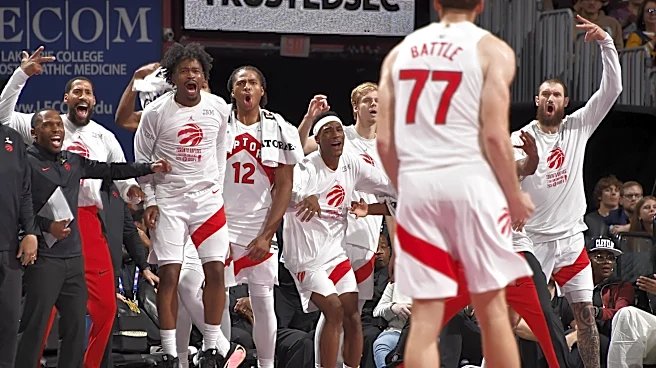
They only provided 19 points, with none of the five reserves tallying more than six. This gave way to the Raptors’ reserves outscoring Cleveland’s by 26.
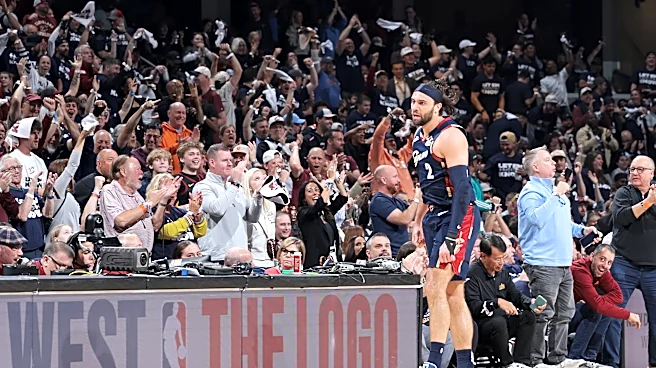
Max Strus and Merrill seem locked into the rotation. The same might not be said for the other three bench players who received minutes.
Dennis Schroder once again couldn’t find his shot, as he went 1-5 from the field with five points.
There are concerns about Keon Ellis’s defensive impact on this team. He’s likely best used guarding ones and twos, but he won’t often have the luxury to do so given Cleveland’s backcourt. This leaves him defending some of Toronto’s bigger and stronger wings. He’s struggled in that setting, which makes it difficult for him to get minutes when he isn’t providing much offensively.
Jaylon Tyson had some good moments as he seemed to calm down after a difficult playoff debut on Saturday. He handled Toronto’s bigger wings well defensively, but hasn’t found a rhythm yet on the other end.
The Cavs’ offense will go as their core four takes it. That said, the others need to provide much more on that end than they are. The current scoring balance isn’t sustainable over what could be a long postseason run.
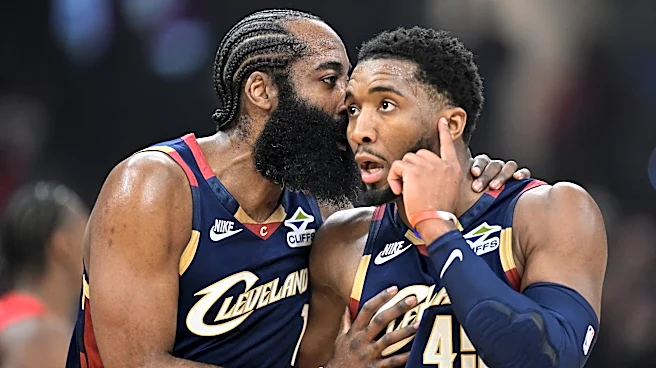
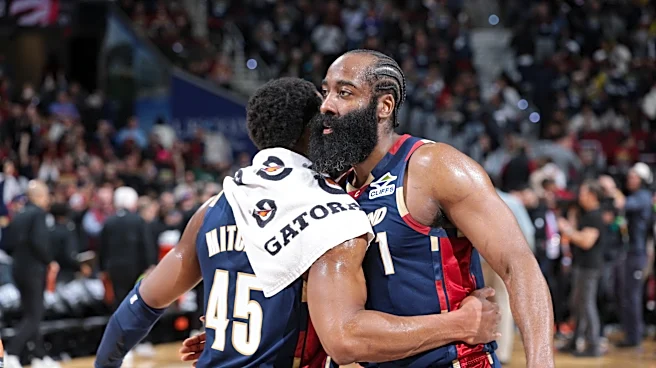
The chemistry between Mitchell and Harden looks like it’s been forged over multiple playoff runs. It hasn’t. This was the duo’s 24th game together. That speaks to how well their games fit and how much they’ve invested in making this work.
Harden admitted that because they haven’t had much time together, they needed to find other ways to get on the same page. “I think what speeds that process up is communication and talking,” Harden said.
That includes pointing out when you see something the other could’ve done better, as was the case on at least one occasion on Monday.
“We always communicate what we see,” Mitchell said. “He was telling me what he saw, even though I scored on that possession…there was an easier read that I didn’t see.”
The Cavs made a daring and aggressive move when they traded for Harden as late as they did in the year. Adding someone that important into the mix when they did doesn’t have much of a precedent for resulting in a title or overall playoff success. That just isn’t how basketball is typically played.
But if it ever were to work, it’d be in a setting like this. One that is open to listening to and implementing feedback. Right now, it seems like the Cavs’ top two stars are trying to approach this the right way.
“We’re behind,” Harden said. “I don’t even know how many games we’ve had together, so I think our communication during games, practice days is very, very important. That can get us over the hump. So anytime I gotta say something, or Don say something, we communicate it. We let it be known to the team just so we can all be on the same page.”