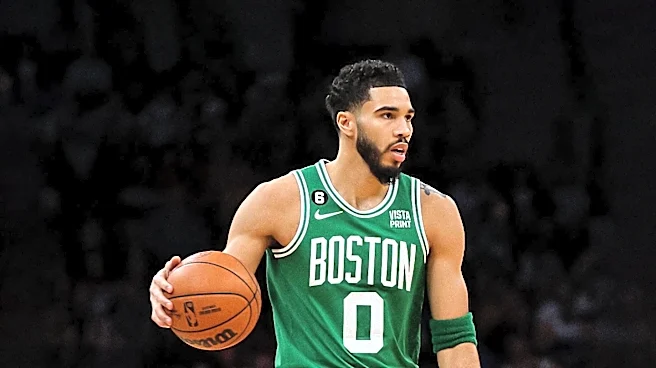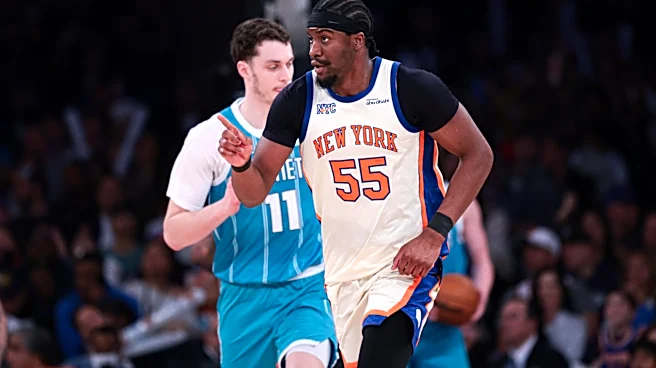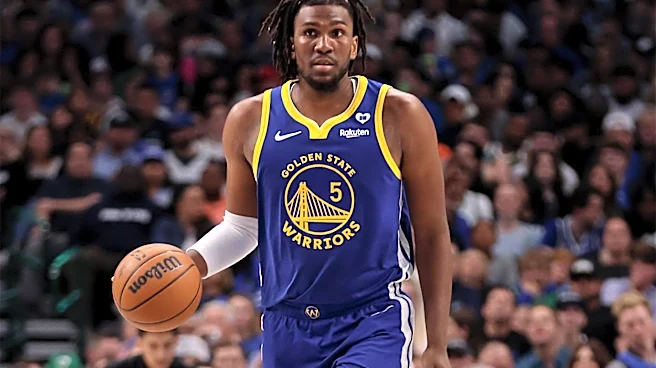




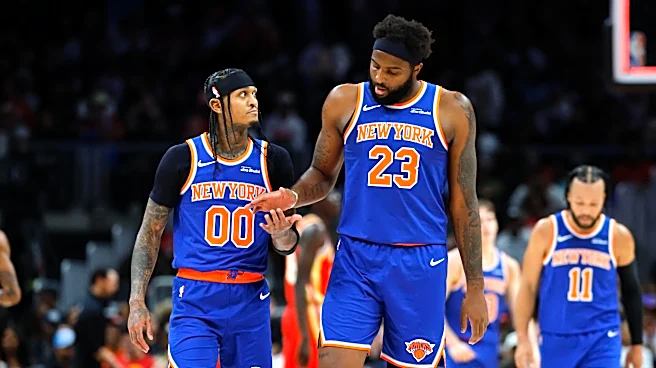


The Boston Celtics have officially begun their work in free agency.
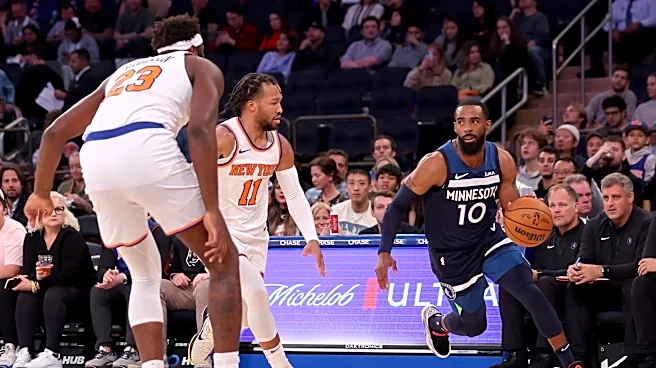
According to ESPN’s Shams Charania, Boston has agreed to deals with veteran guard Mike Conley and center Mitchell Robinson.

Conley is reportedly signing on a veteran minimum contract, while Robinson, fresh off an NBA championship with the New York Knicks, has landed a lucrative deal worth just over $15 million annually. The contract is reportedly for three years and includes a player option for the final season. While I don’t think
it’s particularly likely, one detail worth monitoring is whether Robinson’s contract includes games-played incentives. We’ve seen this structure used before, most recently when the Portland Trail Blazers included similar incentives in old friend Robert Williams III’s extension to account for his injury history.
One important aspect of the Robinson signing though is its financial impact on the Celtics.
Boston used its non-taxpayer mid-level exception to sign Robinson, a move that automatically triggers a hard cap at the NBA’s first apron, set at approximately $209 million. When a team is hard capped, they are prohibited from exceeding that salary threshold for the remainder of the league year.
As things stand right now with the additions of Conley and Robinson, Boston has all 15 standard contract roster spots filled and are $5.1 million under the first apron but now $3.5 million over the luxury tax.
I am very curious if this means other moves, whether big or small, will come down the pipe eventually. The Celtics have traditionally preferred to carry an open roster spot into the regular season, giving themselves flexibility as the year unfolds. On top of that, we saw just how committed the front office was to managing its tax bill last season, making a flurry of deadline deals to duck below the luxury tax threshold. With Boston now operating under the first-apron hard cap, that same emphasis on financial flexibility could once again shape the team’s next moves.
One name that consistently surfaces in salary-clearing discussions is Sam Hauser, who is set to earn $10.8 million this season. The more likely move, in my view, is parting ways with Dalano Banton to free up a roster spot. The Celtics exercised Banton’s team option before the deadline, but his salary remains non-guaranteed. That gives Boston the flexibility to waive him with minimal financial consequences if the front office decides it needs another opening on the 15-man roster.
What cost saving moves do you think the Celtics should/will make if any?