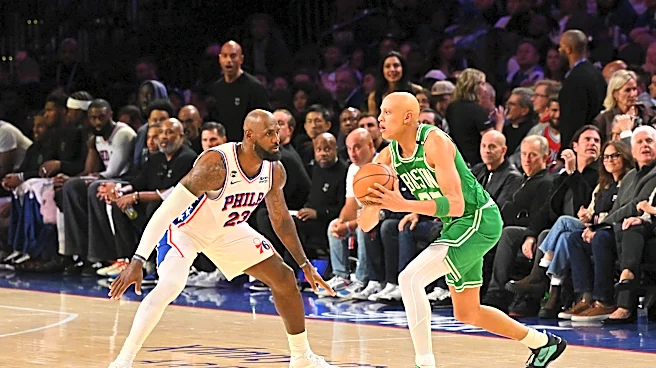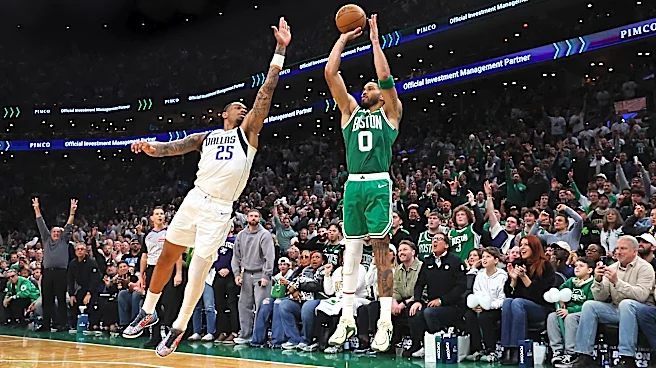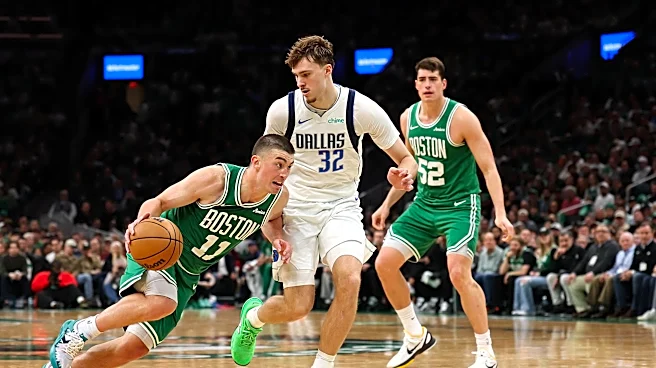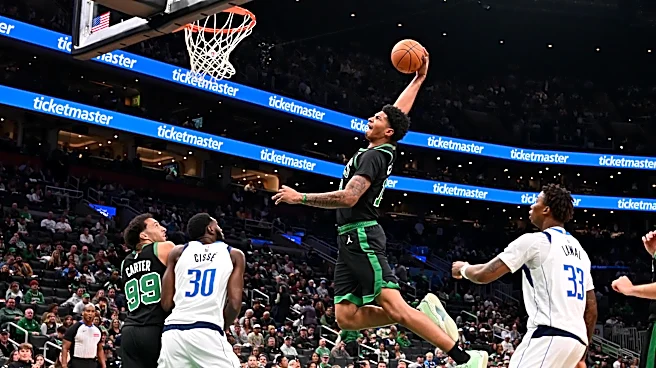

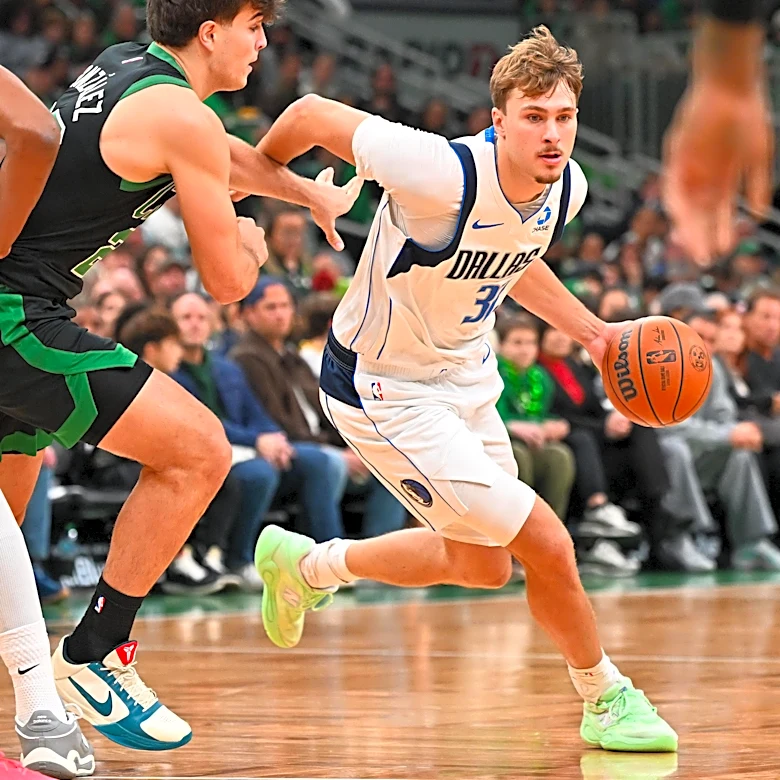

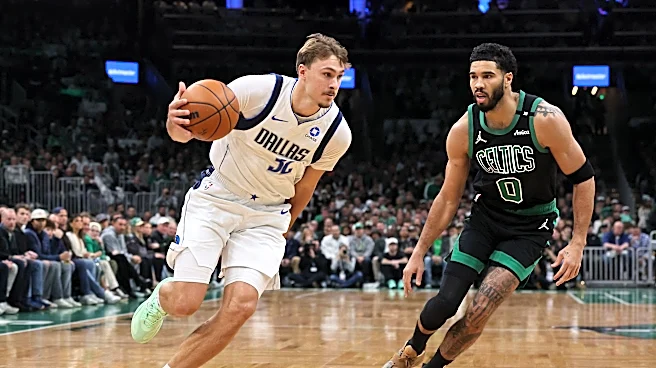
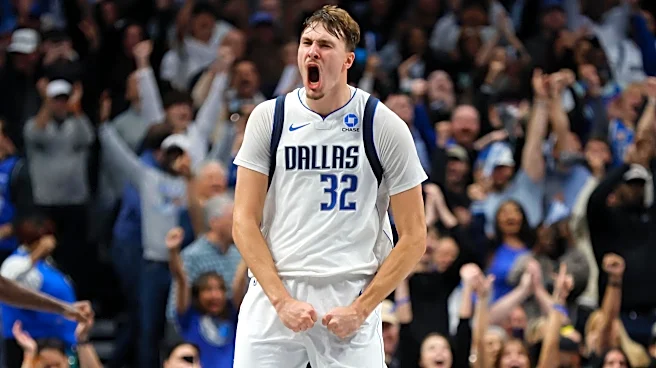
The Dallas Mavericks lost in embarrassing fashion, 131-94 to the Boston Celtics Sunday night in Boston. This is the Mavericks third loss in a row to drop the team back to .500 at 7-7, with all three losses being fairly dispiriting.
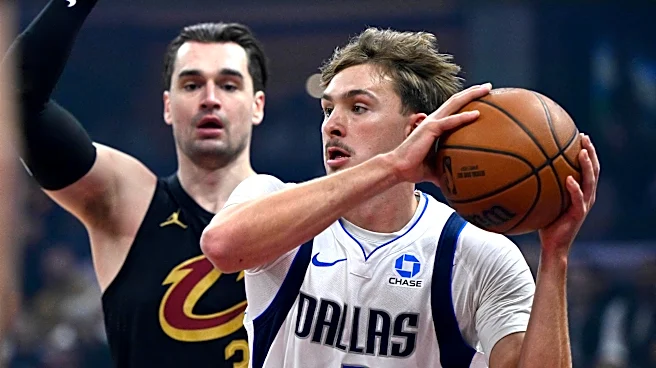
It started awful and never got better, with the Mavericks trailing by a double-take-inducing 33 points at the end of the first quarter. The Mavericks had zero gumption or energy to start the game, after losing a game Saturday night to a Cleveland team with zero of their
starters active.
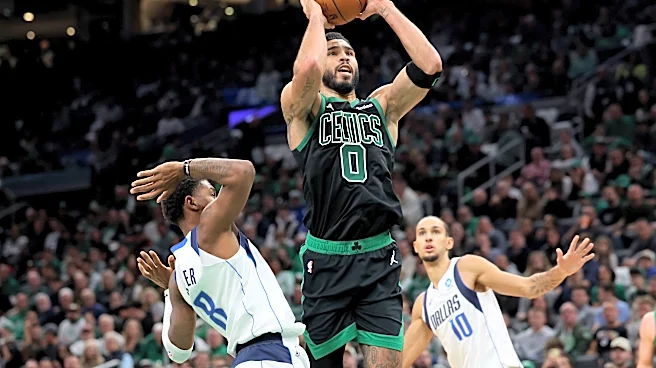
Zaccharie Risacher led the Mavericks with 18 points. Jayson Tatum led Boston and all scorers with 32, as the Celtics shot over 50 percent from the field and over 40 percent from three.
It’s early, but the Mavericks have reached their first crisis point of the season — if they want to be the surprise playoff team people thought after the team started 7-4, the turnaround has to happen quickly.
Here are the numbers we noticed:
23-14: Celtics advantage in made 3-pointers
The Mavericks didn’t shoot the ball poorly, considering their personnel, but even with 14 made threes, the Celtics still made nine more three pointers. It was a gap too wide to overcome.
Boston is a machine, and the Mavericks couldn’t keep up. Dallas’ defense features a lot of forwards and bigs, but the footspeed and defensive talent on the perimeter waxes and wanes — Dallas can recover with splashy defensive plays and deflections, but the team is prone to blow-bys since the Mavericks don’t have much point-of-attack defense. The Celtics got the Mavericks into rotation early and Dallas never recovered.
5-of-15: Cooper Flagg’s shooting
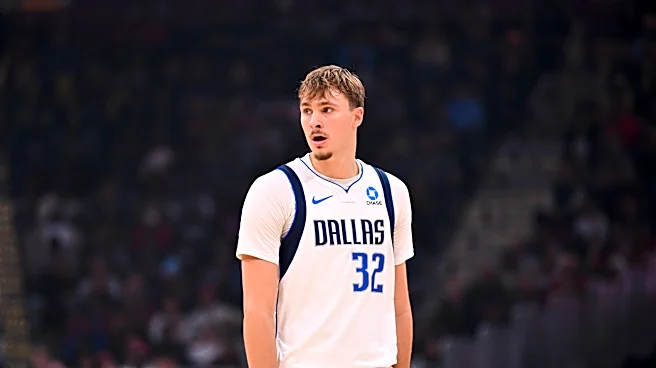
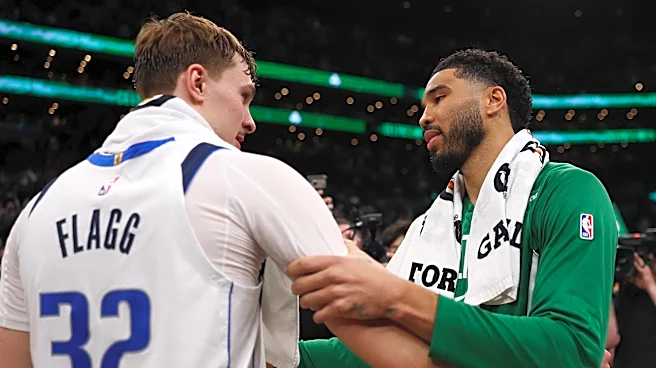
After a meteroic start to the season, Flagg is officially in a slump. He was 5-of-15 against the Celtics, including 2-of-6 from three. Flagg has been under 40 percent from the field in four of the eight games he’s played in November, and been under 45 percent in six of the eight. He’s now shooting just 42 percent in November, and 26 percent from three.
Dallas’ lineup did him no favors tonight, as Dusty May rolled out the Jason Kidd/Nico Harrison special from a year ago, with Flagg running point next to four non-shooting threats in PJ Washington, Caleb Martin, Naji Marshall, and Daniel Gafford. Washington and Martin have solid percentages this season, but they don’t warp the defense with their spacing, especially without a lead guard to disrupt the defense. Flagg was seeing two, three, and even four bodies in front of him inside the three point line on just about every drive.
This is a problem for the Mavericks. Flagg is obviously a special talent, but the apex version of him is usually unlocked when next to a competent lead guard that can get downhill. We saw this last season and we’ve seen it again this season, as Dallas has played very well with Kyrie Irving and Flagg on the floor together. This is no knock on Flagg, but playing him without a credible guard talent next to him is like trying to win a game with one arm tied behind your back.
Unfortunately Dallas hasn’t prioritized a lead guard in the last two offseasons. Dallas used the ninth overall pick in this summer’s draft for Morez Johnson Jr., another big and then brought in another big in Santi Aldama via trade. Dallas’ only guard moves were a smaller move for end-of-the-bench prospect Marcus Sasser, who’s shown flashes, and using a late first-rounder for Sergio de Larrea, who is currently injured. Walter Clayton Jr. joined the team a week before the season started on a two-way contract and was almost immediately the team’s backup point guard. The Dallas guard rotation is bleak, and especially so when guys like de Larrea and Max Christie are injured.
Bottom line: the Mavericks have to prioritize the guard position over the course of the next 18 months, whether that’s at the upcoming trade deadline, next summer’s draft, or the ensuing offseason. It’s going to hold this whole thing back until it’s resolved.
18: Celtics offensive rebounds
It says a lot about how bad Dallas is as a defensive rebounding team when the Celtics can get 18 offensive boards on a night where they were shooting the leather off the ball. There weren’t a lot of misses for the Celtics to go get, and yet they still found themselves with a sizable offensive rebounding advantage (18-11).
Dallas cannot be this big of a team and still fail to rebound the ball consistently. It’s just an untenable combination. If the Mavericks want to be a big, lengthy, athletic team, then they have to play like it. It does the team no good to be this big as a roster and this bad at rebounding. The trickle down effects are apparent. Nothing else to say, except the Mavericks just have to be better.