

SAN DIEGO—Arizona has played 35 games this season, and along the way it has seen it all. Zones, presses, doubling and switching from opposing defenses, and all manner of player movement on the offensive side.
Utah State may actually try to do all of that in Tuesday’s second round game at Viejas Arena in its quest to pull off arguably the biggest upset of the 2026 NCAA Tournament.
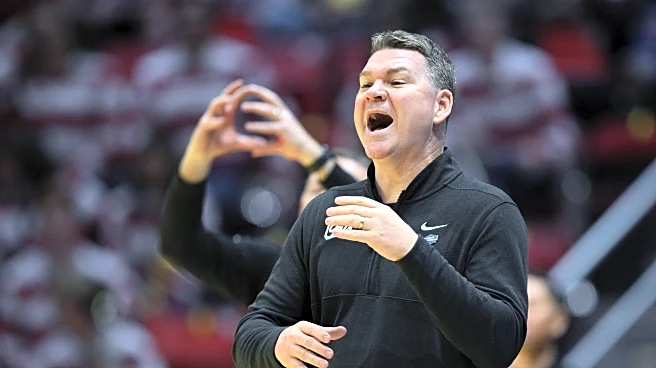
“We’ll throw everything at the Cats,” Utah State coach Jerrod Calhoun said Saturday. “It’s a 40-minute game. I think there’s
going to be so much made of Arizona, rightfully so. But we have 29 wins for a reason.”
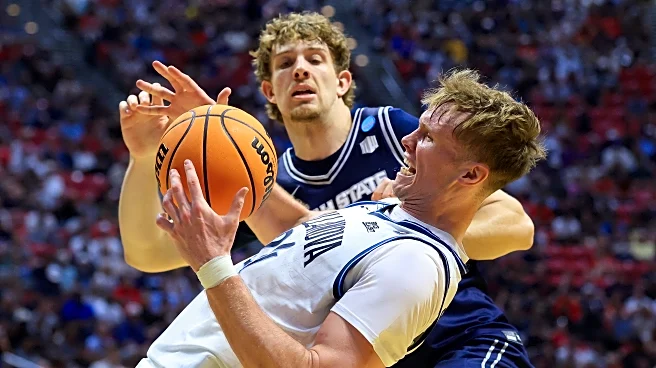
The ninth-seeded Aggies (29-6) are seeking their first trip to the Sweet 16 since 1970, when the NCAA field only included 25 schools. Friday’s 86-76 win over Villanova was just the program’s third in the last 50-plus seasons.
No. 1 Arizona (33-2) is among the betting favorites to win it all, or at least get to its first Final Four since 2001. The Wildcats are favored by 11.5 points, per FanDuel Sportsbook, the biggest spread they’ve had in a second round game under Tommy Lloyd, but as a team ranked in the Top 30 in KenPom that won both the Mountain West regular season and conference tournament titles, that No. 9 seed is horribly misleading.
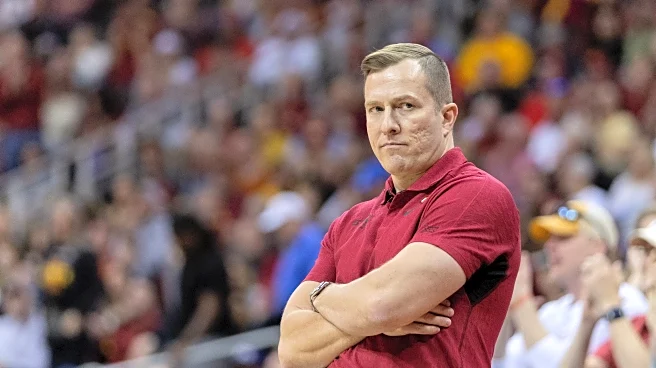
“I’m not an expert at where people should be seeded, but from my experience, no matter who is in that 8/9 game, it’s always a tough game,” Lloyd said. “You’re playing a really good program.”
Lloyd experienced that firsthand in this same arena four years ago, when a ninth-seeded TCU team took his Wildcats to overtime.
Utah State has one of the best offenses in the country, scoring 82.6 points per game on 50 percent shooting, and though it was just 2 of 16 from 3 against Villanova for the season it makes 35.4 percent of its 3s. To offset the poor outside shooting in the first round, the Aggies made 26 of 35 2-point shots including 13 layups and five dunks.
Arizona is second-best in the country in 2-point defense, allowing 43.5 percent. Only eight teams have made half their shots from inside the arc, but those were sizable opponents like Alabama, Florida and UConn. Utah State is not known for its girth, and at 32 percent it’s one of the worst teams left in the tournament at preventing offensive rebounds.
“The challenge with these guys is their size,” Calhoun said. “We’ve got to use our quickness against their size.”
Utah State will employ a matchup zone, but also switch back and forth between that and man. It could be possession by possession or within the possession. Throw in a lot of pressing—the Aggies are 17th nationally in defensive turnover rate—and there’s a lot for Arizona to contend with.
“We’ve seen a lot of defenses, I don’t know if we’ve seen one in particular quite like this,” Lloyd said. “Conceptually there could be some similarities. I think what they’ve done a really good job of is being able to change defenses and being able to mix in some presses, and kind of like get you out of your rhythm a little bit. They do a great job at that. To me, we’re going to have to get out there and get a feel for it on the court tomorrow on how we can get comfortable moving the ball and moving our bodies and playing against it. Obviously it’s got our full attention. Definitely a unique system, and it’s going to present a lot of challenges.”
The second round has traditionally been one of the most successful for Arizona. The Wildcats last failed to win the second game of the opening weekend in 2006, falling to Villanova in Philadelphia as a No. 8 seed, and the 2000 team was the only of the UA’s No. 1 seeds that didn’t make the Sweet 16.