


I love writing about Sunderland AFC, and these are momentous times, so here goes again.
We are experiencing massive contrasts in our performances this season, with our European and League Cup campaigns moving forward dynamically, but we are hiccupping in the most important endeavour for our beloved football club: the Premier League. Competing in the best league in the world brings status, remarkable income and the chance of European competition, for which we qualified so dynamically at the end of last
season. Our presence in the top division, without a recurring threat of relegation, makes player recruitment so much easier.
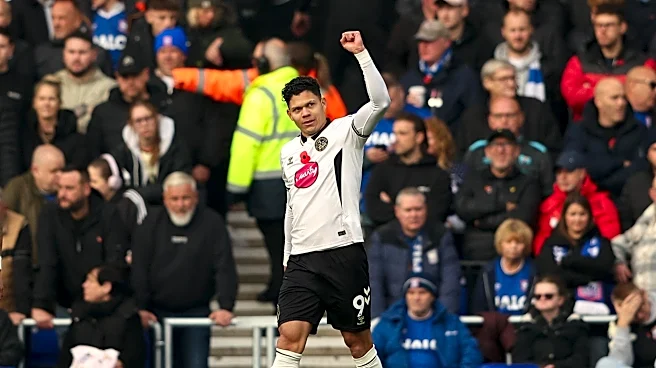
Our last home game, with a welcome 1-0 victory over Chelsea, was a real fillip – an exceptional result in what has been quite a drab league season so far. We are all obviously hoping it is a turning point, leading Sunderland to rise up the table. I am really feeling that we have become the West Londoners’ bogey team via Brian Brobbey. The 2-1 win there 13 months ago, with the remarkable late goal from Chemsidine Talbi, was an iconic statement from this team, and when we completed the double late last May, it led us to the promised land of European football.
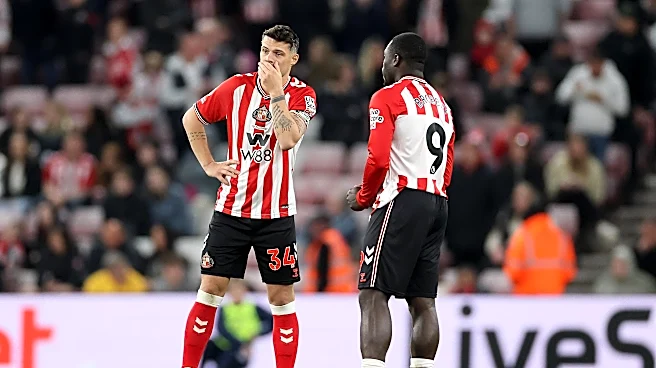
We know, though, that losing becomes a habit and, despite the progress elsewhere, we have been in a rut in the league, especially away from home. There have been many reasons for this: some injuries which dragged on long after the World Cup and other international games. We missed our main strikers, Brian Brobbey and Wilson Isidor, early on and, although Timur Tutierov has emerged, this has been tough for the team and is reflected in match outcomes. Dan Ballard has been a miss, but several players have just looked off colour, such as Omar Aldrete. Silly defensive mistakes have crept in during key games, especially away from home at Ipswich and Coventry.

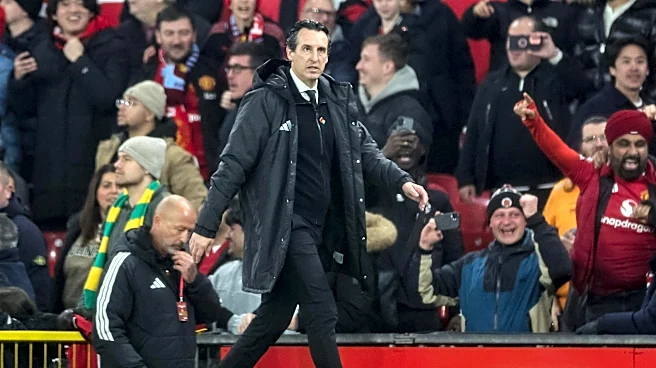
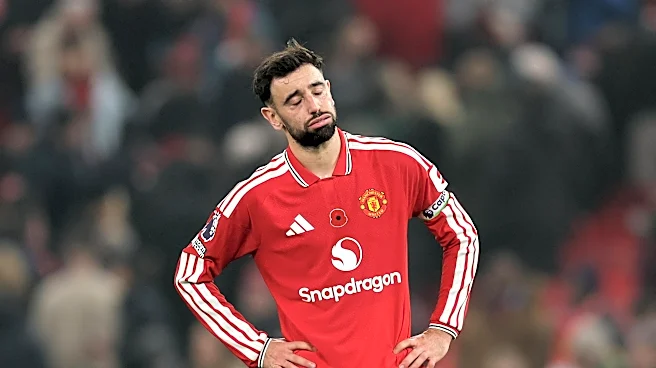
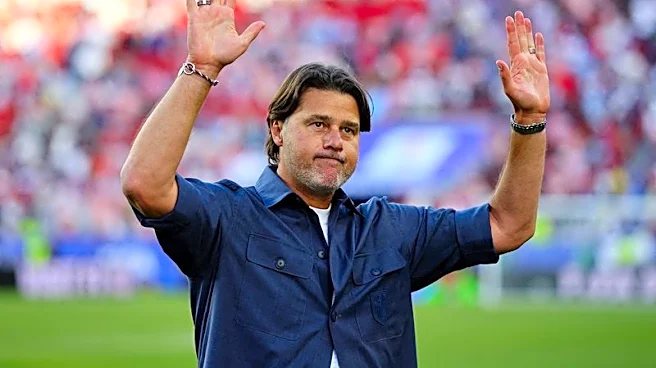
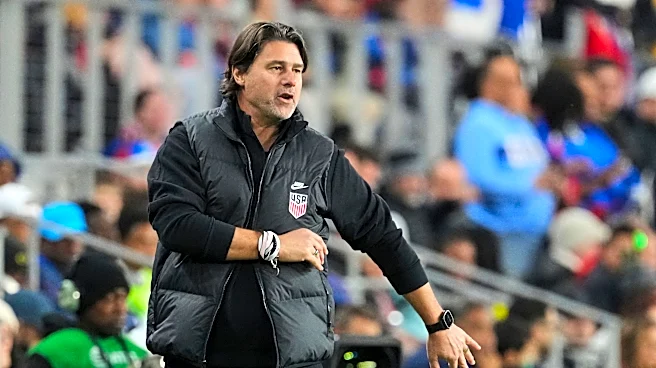
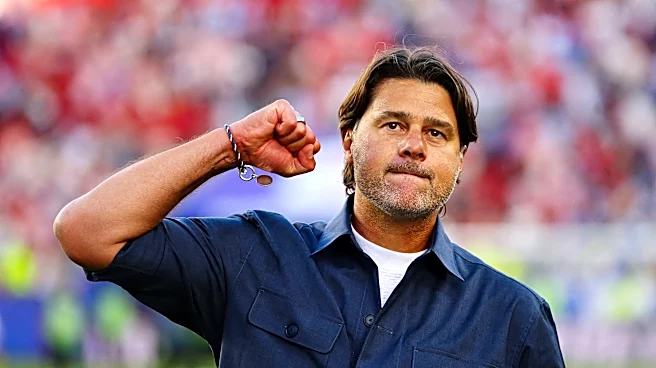
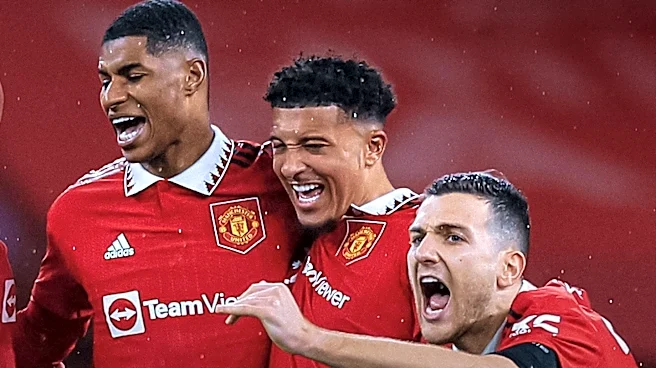
But over this international break, new seismic events have taken place. Both our neighbouring clubs in the bottom three have sacked their head coaches. Mauricio Pochettino has displaced Michael Carrick at Manchester United. The pressure on the former Middlesbrough boss became unbearable, given the presence of such a massive club in a relegation position, even though it is just ten games into the season. But there are unique pressures at work for billionaire owners such as Jim Ratcliffe at United; more of that in a moment.
The Crystal Palace story is different. The provocative Oliver Glasner left at the end of last season and was replaced by Pierre Sage in June. Their poor start meant that the Dane Thomas Franck has taken the helm, and he needs to show that Brentford was not a one-off, after disappointing at Spurs up to February this year.
Club owners are wealthy, driven people. I have previously observed on these pages that we naively expect financially successful businesspeople to be nice, caring individuals who try to run ethical companies – the sort of person you would choose to have round for dinner or enjoy a beer with. Unfortunately, many wealthy and influential people are greedy, driven and sociopathic, with a tendency to take revenge on those who have crossed them, making enemies easily. Such individuals can be ruthless and calculating, being purely driven by money, fame and power, and can therefore be tempted to get involved in sport to improve their public image. Do we really want such people in charge of our football clubs? Probably not.
I put Ineos owner Ratcliffe in that category. I doubt whether his methods will resolve the many issues at Manchester United. Sociopathy is defined as not caring what one does to other people, lacking empathy and not feeling remorse. Carrick and many staff at his club will not be happy with how they have been treated.
Sunderland suffered for years under the wealthy and somewhat sociopathic Ellis Short. He was remote and difficult, and fired both the legendary Martin O’Neill and Steve Bruce, both of whom I reckon would have prospered under a different owner. The health and league position of our football club suffered badly, as we all know. It was then not really turned around until our young Swiss owner, Kyril Louis-Dreyfus, saw the potential, buying into Sunderland AFC in 2021. The meteoric rise since then is now part of our club history.
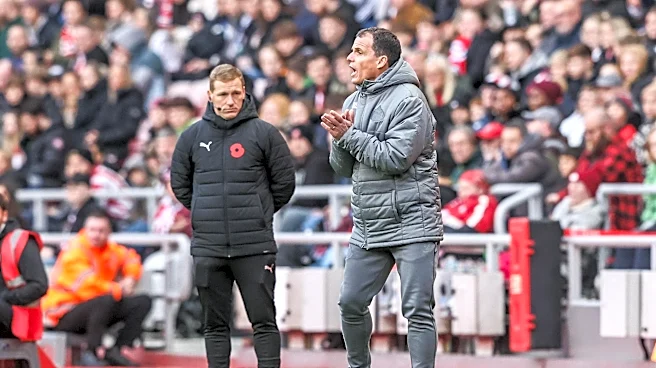
What does all this mean for Sunderland and our head coach, Régis Le Bris? KLD has made some tough decisions, and people in key leadership positions at our club have been moved on. But I do not see signs of sociopathy, more of a carefully composed strategy. There is clearly a bond between our owner and head coach.
Peter Reid took us down on 40 points in 1997, and Alan Brown oversaw two relegations, but would we allow Régis Le Bris to do the same? This is a rare event these days. My impression is that if we are in the bottom three in January, there will be a change of head coach.
When Sam Allardyce was manager, he had a team of psychologists at the Stadium of Light to help bring barren runs to an end and to bring about a winning mentality. Anyone who follows the admirable Luke O’Nien on LinkedIn or general social media will know that he has access to such resources. We need to spread his mentality to the rest of the team, so that league performances improve and we rise up the table. I was at the away game at Villa last season, where we came very close to getting a result. Their team has changed a lot, so I expect a close game.
Winning also becomes a habit, as we discovered in often adverse conditions last season. Sunderland AFC need to rediscover that pattern in the Premier League, and soon.