
The American version of fandom is fundamentally different from the European. It’s not even part of the thought process of sports fans in Europe to deliberately lose games. Relegation ensures that there’s
always something to fight for.
But this is not a discussion of American tanking versus European relegation. It’s a look into fandom from different vantage points. What does fandom even look like when you know your team doesn’t have a chance to win – or even compete? Does fandom even matter then?
Or maybe the question is rather: does fandom change when your team has no chance of doing anything of significance in the foreseeable future?
Fandom matters. Let’s get that straight first. It matters to fans, who have meaningful community and something beyond themselves to care about when they root for a team, a club or a franchise. And it matters to said teams as well, because let’s be honest, without fans everything would fall apart. No income, no tickets sold, no merchandise, no big money to be investors when there’s no return. Fans are as important in professional sports as teams and players.
As a former athlete, I find it hard to find motivation without even the slightest chance of winning. Or at least the chance to compete. When you spend so much of your life working toward one goal, improving, do it faster, better, more efficient, which leads to competing and winning – hopefully- it seems pointless without anything to work towards. What are we, as humans, without a goal? And what are athletes, who were built and formed through pressure and goals?
This is where relegation is genius. There’s always something to work toward. That creates winning players and winning teams, even in the tenth division. Purpose and goals are needed to find meaning in sports.
But when a team is purposely losing – playing weird lineups, resting their best players, getting rid of veterans, it affects the whole fragile cycle of competition, which is the ignition of sports in the first place.
Sure we may, maybe, be better in two years. But what are we teaching fans, kids and young players while we’re at it? That it’s ok to not do our best because something better may come along in a couple of years?
And where is fandom in all of this? How can you be a fan of a bad team – especially when it’s being bad on purpose? What is the whole point to this thing called fandom then, other than a charade we all know about but refuse to question?
On the other hand, if players do their best to win, show up, find the small moments of joy and work hard – it’s easy to stay around. To find something to get excited about despite all the losses.
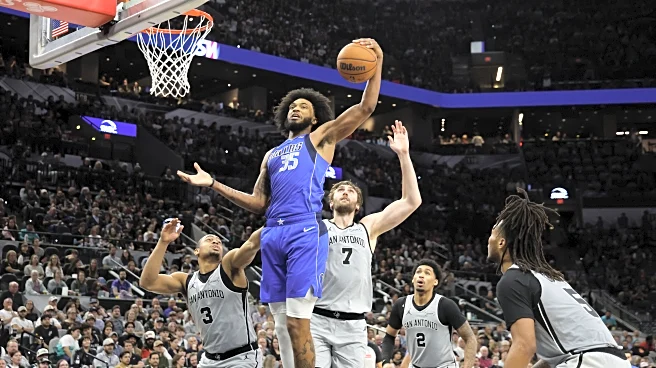
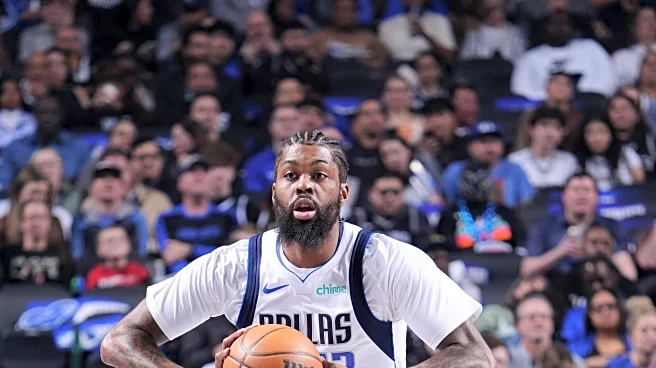
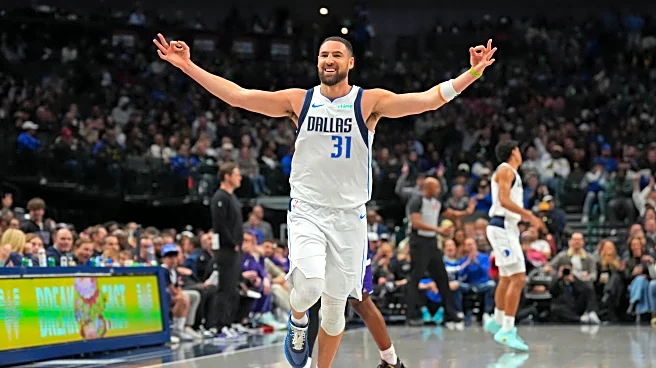
Take the Dallas Mavericks on most nights. They work so hard no matter who they face. The joy of Klay Thompson these days is a great example of that. He’s so fun to watch, his shooting is as elite as ever, and he’s showing the way and mentoring younger players, like Max Christie. There’s meaning in that.
And maybe we found our answer here. When something is meaningful to someone, it changes the whole thing. Fandom is meaningful – but only if the unwritten contract between team and fans is upheld: if you work the hardest you can with what you have, we will in turn root for you. That’s how hearts are captured in sports every day.
Fandom is bound to change when winning is not in the foreseeable future. It’s less loud, less cocky. Instead it becomes deeper, more prone to emotional attachment and significantly more loyal. That’s what adversity does to any group, if you stick around. Basketball teams and fans alike. Because when you’ve been through the hard times together, the good times become that much more sweet.