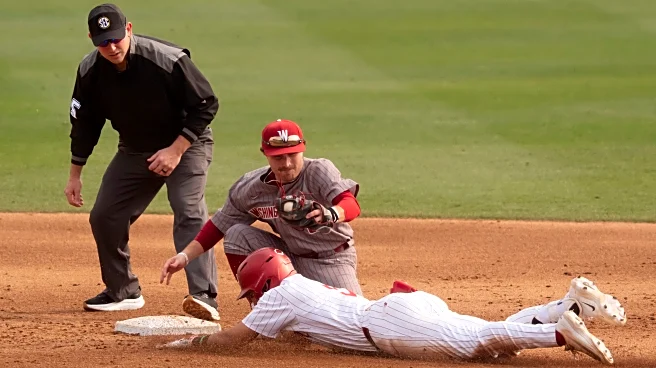

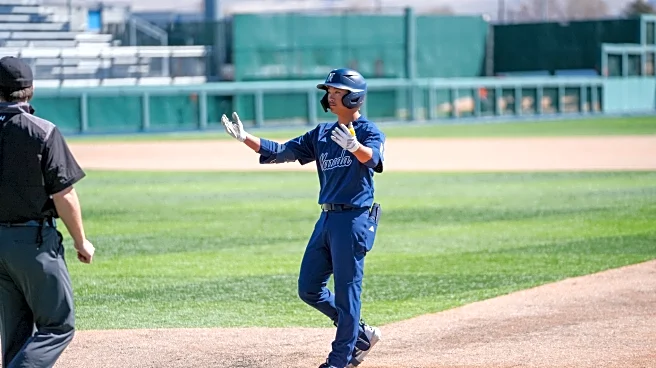

Washington State dropped the series finale Sunday, falling 4–3 to the Bobcats after Trevor Smith narrowly missed a go-ahead grand slam in the seventh inning. Max Hartman also had a chance to change the game in the ninth, stepping to the plate with runners on first and second and two outs, but his hard-hit ball found the second baseman’s glove.
At first glance, WSU’s 6–9 record may look underwhelming. In reality, the Cougars have played a far tougher schedule than most teams with a similar record.
Washington State currently sits 58th in Warren Nolan’s RPI rankings and has yet to play a home game. Through the first three weeks of the season, the Cougars have faced mostly quality opponents while navigating a schedule that has kept them on the road. Considering that context, hovering around .500 is far more respectable than the record alone suggests.
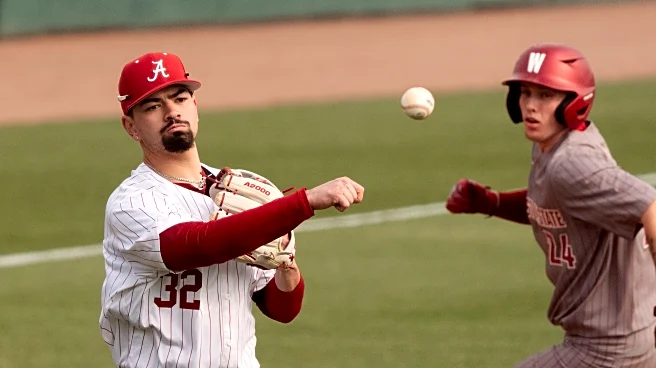
WSU’s Opening Day win over Alabama continues to age well. The Crimson Tide have gone 13–2 since the Cougars beat them 8–4, pushing their RPI into the top 50 and turning that matchup into a potential Quad 1 victory. Texas State has also looked strong, currently sitting at 12–3 after taking three of four games from WSU, with several tightly contested matchups that could have gone either way.
Many of the Cougars’ other losses have followed a similar pattern. Games against BYU and Cal Poly slipped away late, including a pair of ninth-inning collapses and an extra-innings defeat. Those results are frustrating, but they also reinforce that WSU has been competitive against solid teams away from home.
The bullpen still appears to be a work in progress, and that group may ultimately determine how far this team can go. For now, though, the Cougars have shown enough resilience to remain in nearly every game they’ve played.
The upcoming Mountain West slate should offer opportunities to build momentum, particularly once the Cougars finally return to Pullman. Nevada is currently the only conference opponent ranked ahead of WSU in the RPI at No. 46 with a 7–5 record, though the Wolf Pack have faced several high-level opponents of their own.
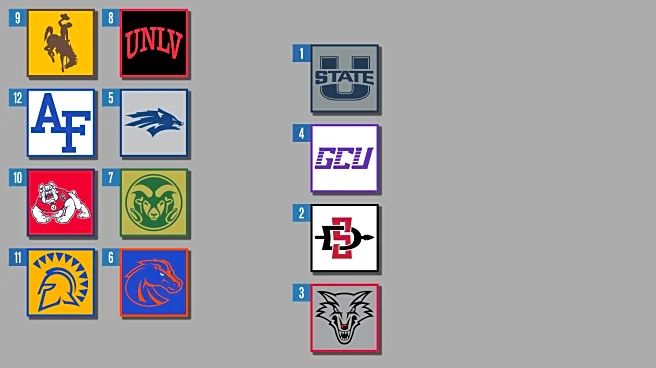
The rest of the conference currently sits much lower in the rankings:
Nevada: 46 RPI (7–5)
UNLV: 133 RPI (11–5)
San Diego State: 144 RPI (9–6)
Grand Canyon: 146 RPI (6–10)
Air Force: 199 RPI (3–10)
New Mexico: 207 RPI (12–5)
Fresno State: 244 RPI (7–6)
San Jose State: 240 RPI (4–10)
Washington State will still have chances to secure quality wins later in the season. Oregon State and Gonzaga both profile as potential top-100 opponents, and both teams will visit Bailey-Brayton Field. Nevada will also travel to Pullman, giving the Cougars several opportunities to pick up meaningful résumé wins at home.
The only major remaining road challenge comes against Utah, currently inside the top 30 in RPI. Even a loss in that matchup would likely have minimal impact on WSU’s postseason profile.
With 35 games remaining, reaching 30 wins remains a realistic goal. A 24–11 finish would get the Cougars there, and given the upcoming schedule, that mark appears attainable.
This team may not be ready to make a serious run to Omaha yet, but there are clear signs of progress under third-year head coach Nathan Choate. The offense has enough talent, led by Hartman, and the pitching staff has taken a noticeable step forward compared to recent seasons. Most importantly, Washington State has consistently stayed competitive against strong opponents.
If the Cougars can finish this demanding 19-game road stretch near the .500 mark, they will be well positioned for a strong second half of the season once the schedule shifts to Pullman.
WSU returns to action next weekend with a three-game series against San Diego State before traveling to Utah for a midweek matchup. If the Cougars can manage a 2–2 week and head home at 8–11, it would represent a solid outcome given a top-40 strength of schedule to start the year. Anything better would only strengthen the early postseason case.
Either way, the coming week should provide a clearer answer as to whether this team is a legitimate postseason contender or simply an improved club still learning how to close out tight games.