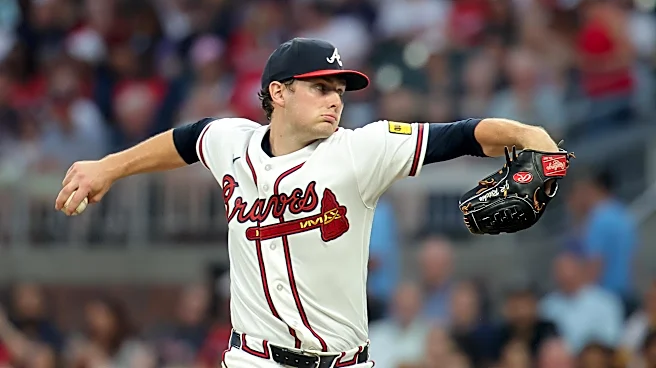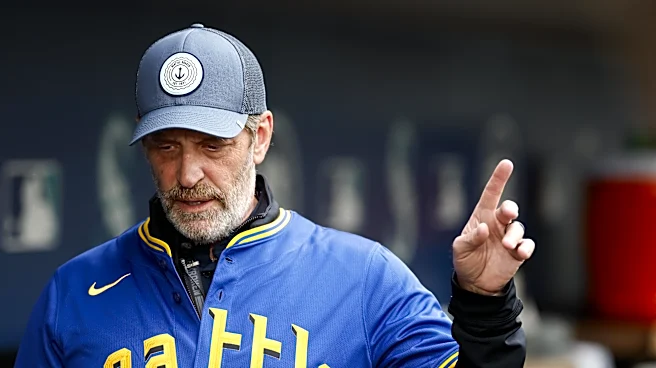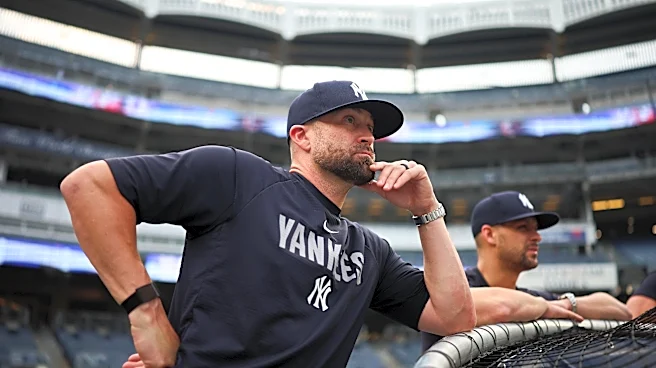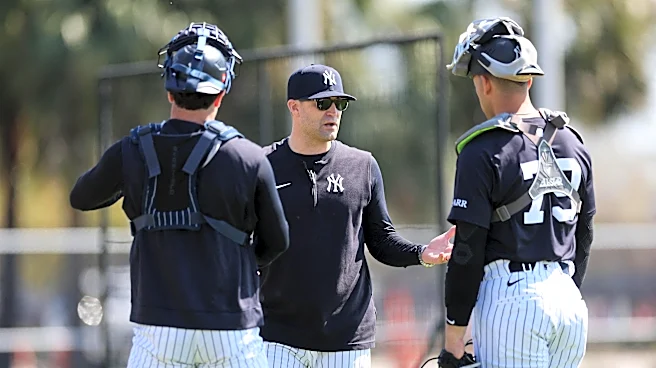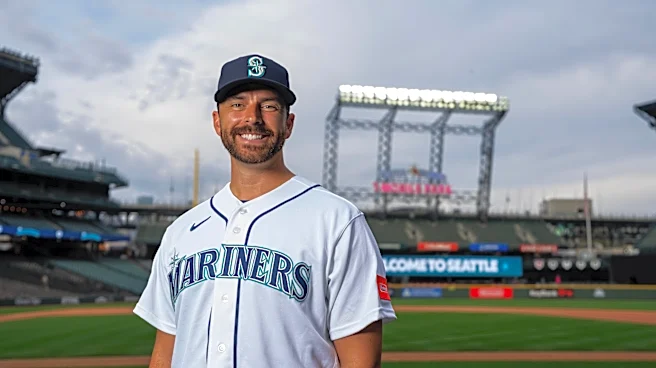



The Mariners made the hires of bench coach Tanner Swanson and hitting coach CJ Gillman official today, continuing a theme that started when the hiring of manager Jason Kanzler was officially announced last week: the youth movement is coming back to Seattle.
In Dipoto’s first season, the Mariners trended towards conservative hires or retaining coaches who had already been in the organization. Dipoto brought over several people he’d worked with during his time with the Angels – Mike Micucci, Ethan Katz,
and Zac Livingston – and retained most other staff members rather than cleaning house organizationally from top to bottom.
But by 2016, Dipoto and then-Director of Player Development Andy McKay were ready to take some bigger swings. One of the biggest was hiring a 32-year-old Mitch Canham to manage their A-ball affiliate, the Clinton LumberKings. At the time, Canham was well-known to Northwest baseball fans as a standout star at Lake Stevens high school and then Oregon State, but an unknown quantity in the broader coaching world, lacking any official managerial experience before being handed the reins at a full-season affiliate.
Canham’s hiring was part of an organizational philosophy shift that emphasized quality of leadership over depth of experience – as McKay put it, “better people make better baseball players”, which starts with them being led by the best people available. Joining Canham in Clinton was pitching coach Pete Woodworth, who had more official coaching experience but was just 28 years old at the time.
Those hires sparked an influx of young coaching talent, often from non-traditional coaching backgrounds, into the Mariners organization. The next few years would see the hiring of at the time relatively unknown names, many of whom who have since moved on from Seattle to build impressive coaching resumes elsewhere: Tony Arnerich, Carson Vitale, Hugh Quattlebaum, Max Weiner, Jarret DeHart, Rob Marcello, Sean McGrath, just to name a handful. Those coaches oversaw the transition of the Mariners farm system from one of the worst in baseball to a consistent solid performer, and the pitching coaches especially helped the Mariners earn a well-deserved reputation as one of the sport’s best in developing pitchers.
But the Mariners paid the price – or rather, didn’t – for that innovation, losing many of their young coaches to better opportunities (and/or better salaries) elsewhere. Two that stung the most were the losses of Canham and Weiner, both of whom moved on to high-profile (and high-paid) jobs at the college level. The annual turnover started disrupting the chain of development, and the ties that bound the minor-league process to the big-league results-oriented product weakened until the cracks showed through clearly in 2026: an organization that seemed to drift without an identity or plan.
Jerry Dipoto was frank in his end-of-season presser about acknowledging the disconnect between the process the organization worked so hard to implement at the minor-league level and the big leagues, and the necessity of hiring someone who can get things back on the right track.
“We will find someone through this process who comes in and is in alignment with what we see as the direction this team needs to head in, and then guides us in a way that we get better,” said Dipoto, prior to Kanzler’s hiring. “Because obviously the performance on the field this year has made us question a lot of the things that we’re doing at the major-league level, and I will say multiple of our major-league players who came through our system have referenced what they learned in player development that got abandoned in the big leagues this year…We need to get back to what we believe is a Mariners baseball process.
In the press conference introducing Kanzler, Justin Hollander concurred with what Dipoto had said a month earlier.
“We need to be better about connecting what we believe in organizationally to what we do in the big leagues. That’s something that was identified by Jerry, myself, our baseball operations staff, and most importantly, our players as we went through the end of the season,” said Hollander.
“We also need to push ourselves, try new things that maybe hadn’t been on our radar. So finding someone with Jason’s skillset that can develop while we’re in the big leagues, that can connect an organization from top to bottom, was a huge part of this.”
The Mariners of the last few years of the 2010s weren’t afraid to push the envelope, to make out-of-the-box hires, and to try new things – at least as far as development-wise. Now, with hiring Kanzler, Gillman, and Swanson – ages 36, 37, and 44, respectively – they’re pushing the envelope on the top rail of the dugout.
But for all the seeming risk, it’s still a calculated one. Rather than make the clubhouse fit the skipper, the Mariners have chosen a skipper who fits the clubhouse.
“The uniqueness of [Kanzler’s] developmental path is going to go a long way with modern players,” said Jerry Dipoto.
For all the foofaraw around Kanzler’s age and experience, though – or that of his bench coach or hitting coordinator – when Kanzler talks, it feels like an echo of the process the Mariners used to hire Canham a decade ago: getting the best out of players by putting the best, bigger-picture focused people in front of them.
“It’s important to have connection with the players,” said Kanzler in his opening presser. “It’s most important to have connection throughout the entire thing. The entire organization needs to be connected towards the common goal of winning the World Series…I like to think that the sign of things going well is when people start using the word ‘we’ more than ‘me’ or ‘I.’ When the group starts talking in ‘we’, then I know that things are going well.”