



The Golden State Warriors cycled through injuries, lineups, and versions of themselves that never quite stuck. Jimmy Butler III went down. Stephen Curry missed time. Moses Moody didn’t make it through the year. By the end, it felt less like a season and more like something that kept getting interrupted.
But even inside all that, there were nights where everything sharpened for a few hours. Where one player took control of the game and made it feel clean again, even if nothing else about the season
was.
Let’s talk about Mr. Butler, in his last killer session of the season. Nobody knew it was the last one.
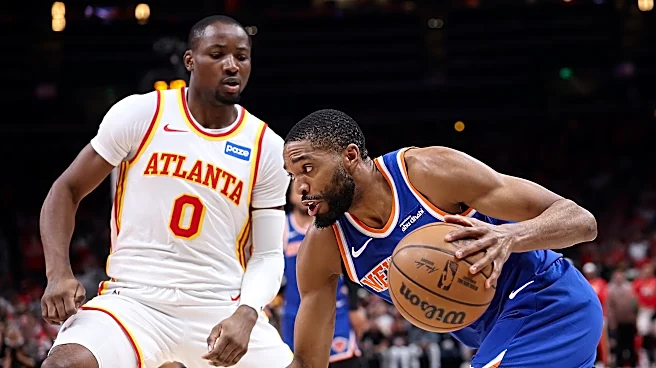
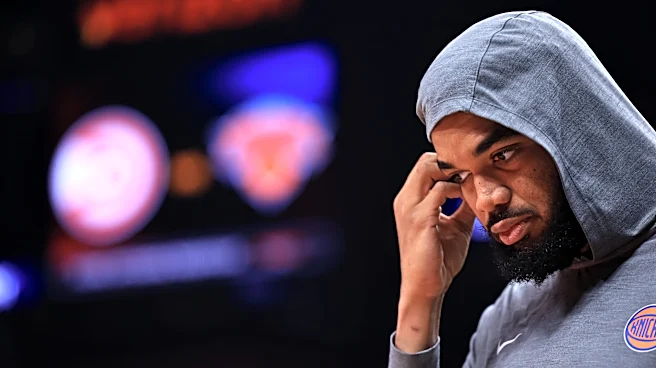
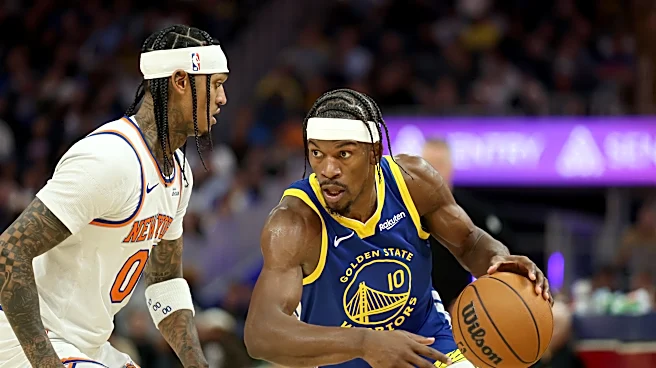
The New York Knicks came to Chase Center without Jalen Brunson, whose sprained ankle had kept him out the night before, and within the first three minutes they had jumped to a 10-point lead anyway. The Golden State Warriors were cold, the crowd was restless, and this had the early look of a team drifting into one of those nights where the energy never quite shows up. Then Jimmy Butler decided that wasn’t going to be the story.
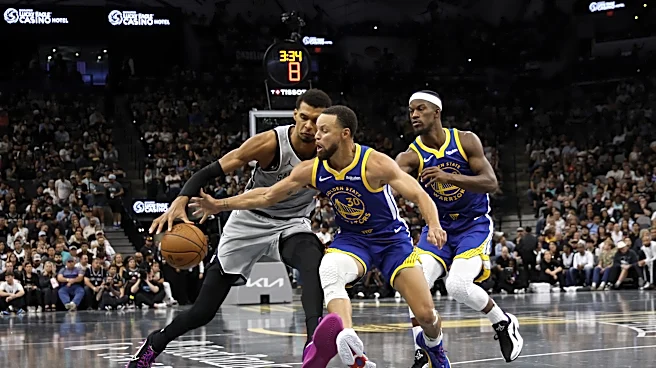
What happened over the next three quarters was less about Butler’s individual brilliance, though 32 points on 14-of-22 from the field with eight boards, four assists, and two steals qualifies, and more about what his presence demanded from everyone else. Moses Moody went 3-of-3 from three in the first quarter alone and finished 7-of-10 with seven made threes for 21 points, the kind of shooting night that doesn’t happen unless the defense is already tilted before the ball even finds him. Brandin Podziemski came off the bench to shoot 8-of-9 for 19 points, including 10 in the second quarter that helped flip the game before halftime, 62-59. Stephen Curry, quiet early, found his rhythm in the third and finished with 27 points and seven assists, the kind of performance that looks inevitable once everything else has been pulled into place.
This was one of those nights where the offense didn’t feel like a series of plays so much as a chain reaction. Butler attacking downhill, the defense shifting a half-step too far, the ball finding shooters who were already set, already balanced, already expecting it. It wasn’t rushed, it wasn’t improvised, it was controlled in a way that made the game feel smaller, like there were fewer variables than usual.
When the Knicks tried to make it interesting late, Butler and Podziemski each scored nine in the fourth to close it. Butler’s nine weren’t loud. They didn’t need to be. They were the exact points the game required, delivered without urgency or hesitation, the kind of control that doesn’t announce itself but leaves no space for anything else to happen.
The Warriors walked out of that game feeling like something had clicked. Not solved or fixed, but defined. With Butler on the floor, the game had a shape to it, a pace that held, a sense that things were moving where they were supposed to go even when it got messy for a stretch.
Butler was making that possible. Less than a week later, a freak injury took that possibility away. We didn’t know it was the last one, and that’s what makes it worth remembering.