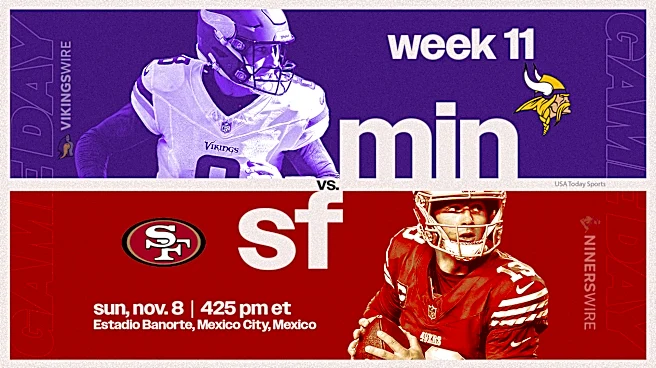




In Mexico City, the San Francisco 49ers play football at 7,200 feet. The thinnest air on the field, though, will be in the last 20 yards.
Climbers on Everest have a name for everything above 8,000 meters: the death zone. The body can’t adjust up there. It just runs out of time and air. And when researchers went back through decades of Everest deaths, the climbers who never made it home had the same things in common. They were exhausted. They fell behind. And they reached the top too late in the day.
The red zone is football’s death zone. On Sunday, it could decide the game.
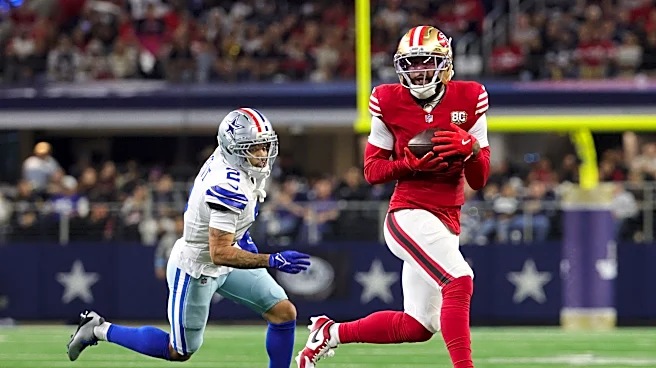
The 49ers have scored touchdowns on 82.8% of their red zone trips this season, 24 of 29. According to The Associated Press, that’s the best rate of any offense since 2000. Brock Purdy has thrown 13 touchdowns inside the 20 and hasn’t been picked off once.
The Minnesota Vikings allow touchdowns on 25% of red zone trips, the lowest rate of any defense over that same stretch.
Two records. One summit.
Don’t expect a shootout. Minnesota gives up 14 points a game, and the under has hit in eight of its nine games. Nights like this, you might only get three or four real shots at the top. Every drive is an expedition. The first downs are the base camps on the way up. The offensive line are the Sherpas, carrying the load so somebody else can stand on the summit. Nobody sprints up Everest. You climb it one camp at a time, and you don’t waste a step.
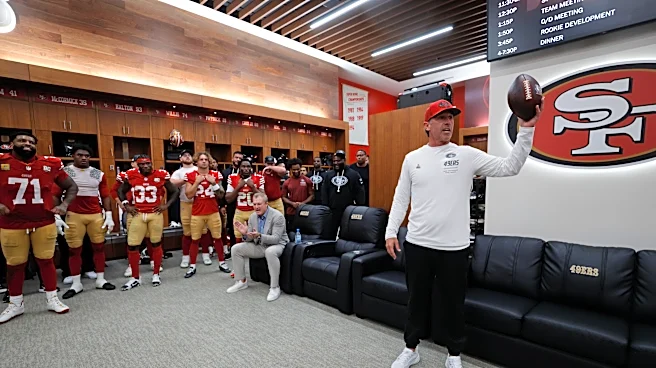
Climbers start their summit push in the middle of the night, before the weather turns. Kyle Shanahan does the same thing with his opening script. The 49ers have scored on their first drive in seven of nine games this season: six touchdowns and a field goal. That’s the window before Flores has seen what’s coming.
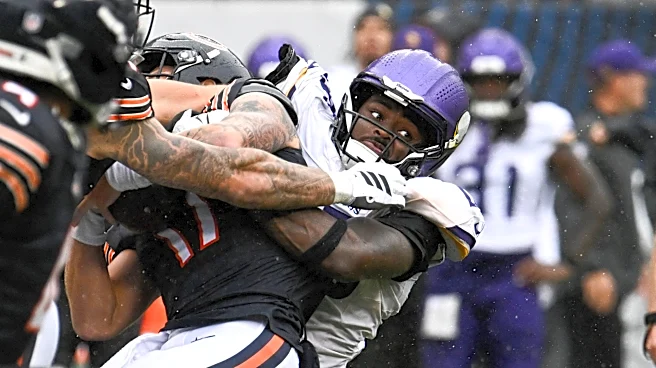
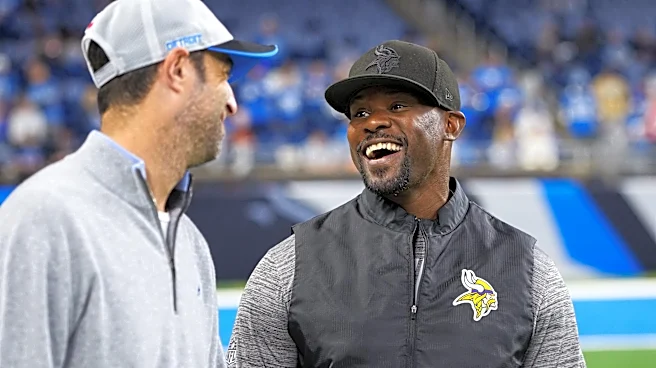
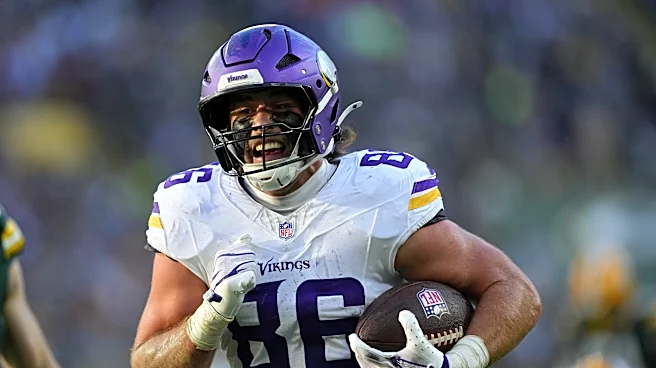
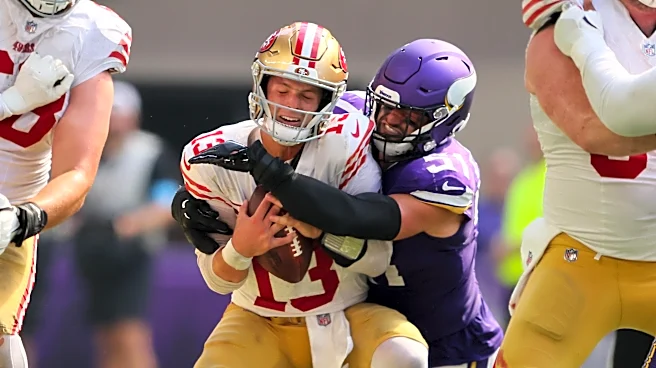
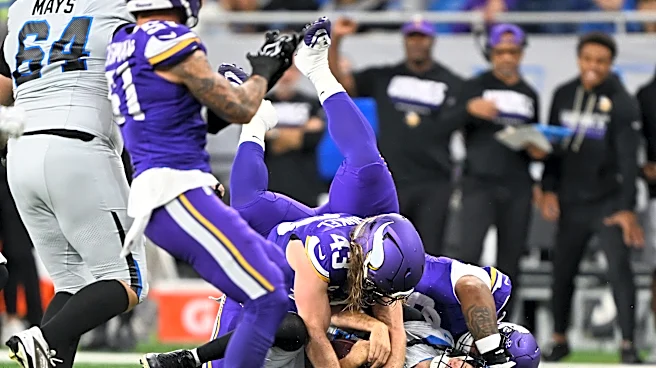
Brian Flores makes those last 20 yards feel like 8,000 meters. His defense blitzes more in the red zone than anyone, 70% of the time, per Next Gen Stats, and still plays more zone down there than anyone. He sends pressure and keeps bodies behind it. When the field shrinks, there’s nowhere left for the ball to go.
By my count, when Minnesota has sent five or fewer rushers to rush inside its own 20 this season, quarterbacks have gone 6-for-20 for 30 yards. No touchdowns. Four sacks. An interception.
But every mountain has a route. Both red zone passing touchdowns Minnesota has allowed in my count came when Flores sent six. When everybody comes, nobody’s left in the middle. Jared Goff found Jameson Williams. Jordan Love found Christian Watson. Quick, clean, gone.
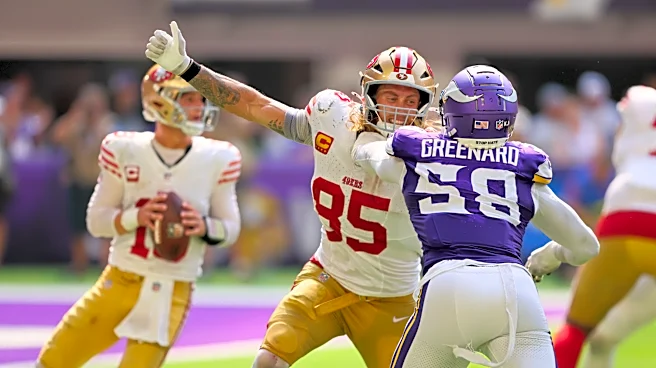
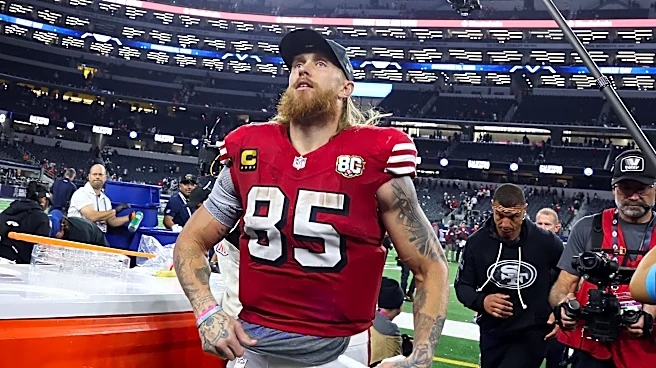
For the 49ers, the middle has a name. Against that six-man pressure this season, tight ends have caught four of the eight completions that went for 15 yards or more. Climbers carry oxygen for the final push. The 49ers carry George Kittle.
Every Everest team sets a turnaround time. If you’re not on the summit by then, you turn back, no matter how close you are. On the mountain, turning around is how you live. Sunday night, it’s how you lose. Three points at the end of a 12-play climb is a turnaround, and the 49ers can’t afford many. They can’t afford any misses from Eddy Piñeiro, either, and he’ll have a little more range in the thin air.
So avoid what kills climbers. Don’t wear down. Don’t fall behind, because third-and-long is where Flores’ six-man pressure is at its nastiest. And don’t get there late.
It’s the matchup I’ve been circling all week on the show, and it’s the one that decides the game.
Everest doesn’t care how good the climb was. It only cares who reaches the top. All season, nobody has done it better than the 49ers. On Sunday, nobody makes it harder than Minnesota.