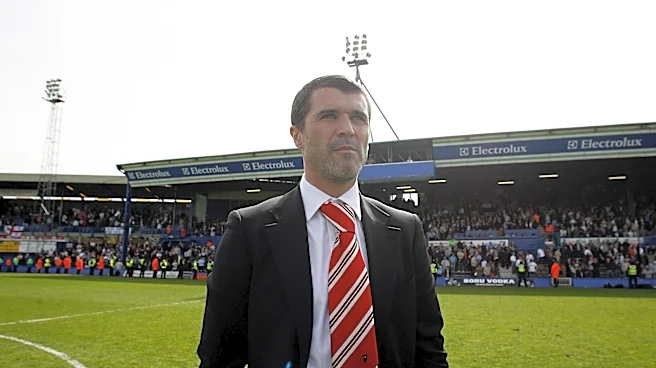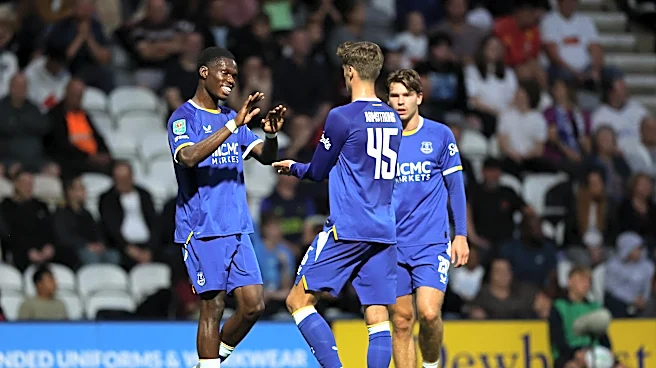

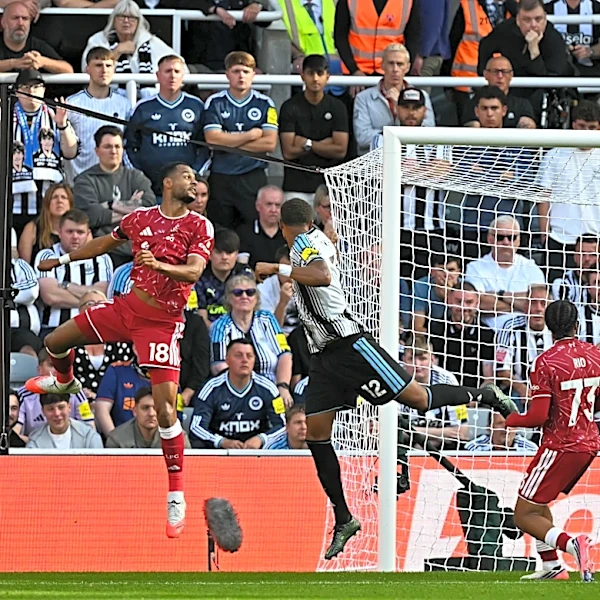




We witnessed a self-inflicted defeat over the weekend at Portman Road, and it was a discouraging start to the season which has resulted in a lot of online analysis, as well as blame assigned to some usually reliable players.
This all took place in the context of the rebuilt Tractor Boys’ team being out to make a positive impression on their new manager, and the doubters in the home crowd who did not want to see another passive campaign such as the one which resulted in relegation two seasons ago.
Ipswich are newly promoted, and were quite full of themselves; think of our opening 3-0 win over West Ham last season.
I found that all this was in marked contrast to the season-opening game I attended on 29 August 1981. I had started my first post-university job at Glaxo Group Research in Hertfordshire two years earlier, and my supervisor/team leader had been a strong Ipswich fan from boyhood.
It was one of those unusual but great situations where my boss became a close friend, so we drove the 1½ hours to Suffolk to take in the match.
A bit of context: Bobby Robson, who now has a stand named after him, was Ipswich Town’s manager. He built a great side that had finished as runners-up to champions Aston Villa the previous season; their team comprised top performers like Mick Mills, Russell Osman, John Wark, Paul Mariner and Alan Brazil, as well as the future Sunderland stars Eric Gates and Terry Butcher. It was the first season of three points for a win in Football League Division One, ahead of the Premiership being formed.
Our manager was Alan Durban, and he was the type of guy who didn’t like his team to give goals away. His favourite type of away win, and I was usually limited by geography to attending those in the 1980s, was 1-0. The clean sheet was crucial; I witnessed one of those in March 2003 when Gary Rowell netted the only goal versus Stoke at the Victoria Ground, and Durban was beaming post-match.
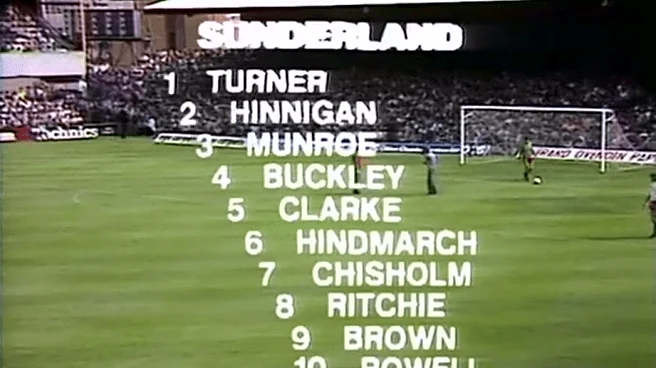
So, at kick-off, I was not expecting a high-scoring game. And the first half was near perfect from our Welsh manager’s perspective, with Tom Ritchie heading past the home keeper Paul Cooper on 41 minutes. Then, on 54 minutes, things looked even better, as Mick Buckley put us ahead with a low shot after a Ritchie flick.
Wark equalised from close range, but soon Buckley put us 3-1 up after a great pass from substitute and debutant Ally McCoist, recently signed from St. Johnstone.
We were up against a talented forward line and eventually an away win was denied to Sunderland by two goals from Gates. On a recent Roker Report podcast, Kelvin Beattie recalled, from attending the same game, that Gates did gesture to the away fans after equalising. He later went on to score 55 goals in 220 games for The Lads.
After the match, Alan Durban said that the 3-3 draw felt like a defeat. Over the whole 1981-82 campaign, the hosts won 17 home league games; this was their only draw, and they eventually finished second to Liverpool by four points. The Black Cats went on to struggle, but avoided relegation, ending in 17th spot, level with four teams on 44 points, but scoring just 38 goals in 42 games.
I really enjoyed that match, and being there in person was very exciting. Last Saturday was a differently compelling game, but the finish was disturbing. I won’t repeat thoughts about the mistakes we saw, and how we should have stopped Jack Clarke.
But this is a very different era from 45 years ago, and I believe our club is really well set up for a good season. I see us dealing with the late defeat at Portman Road in the same way we did the loss at Burnley early last season.