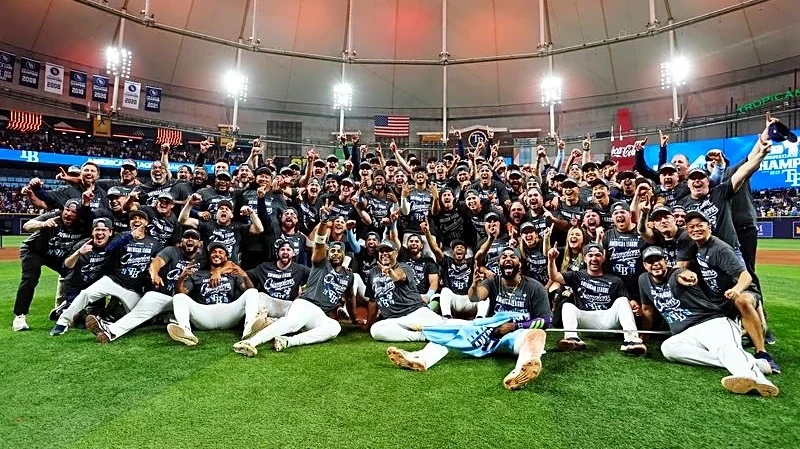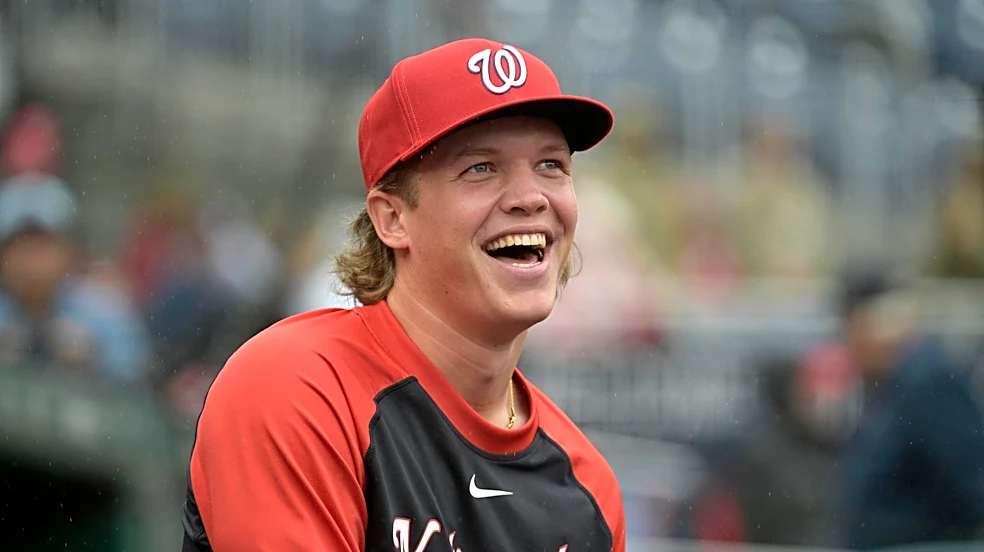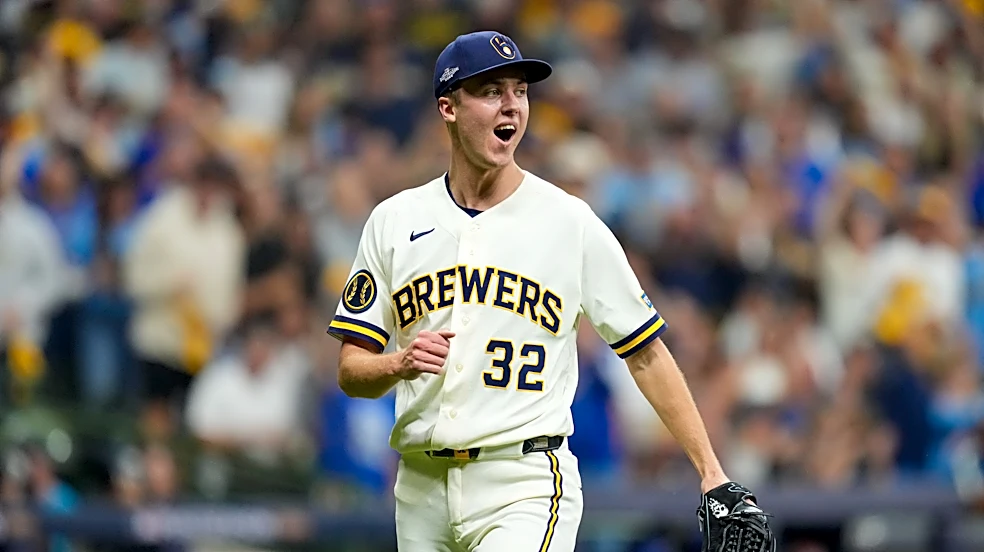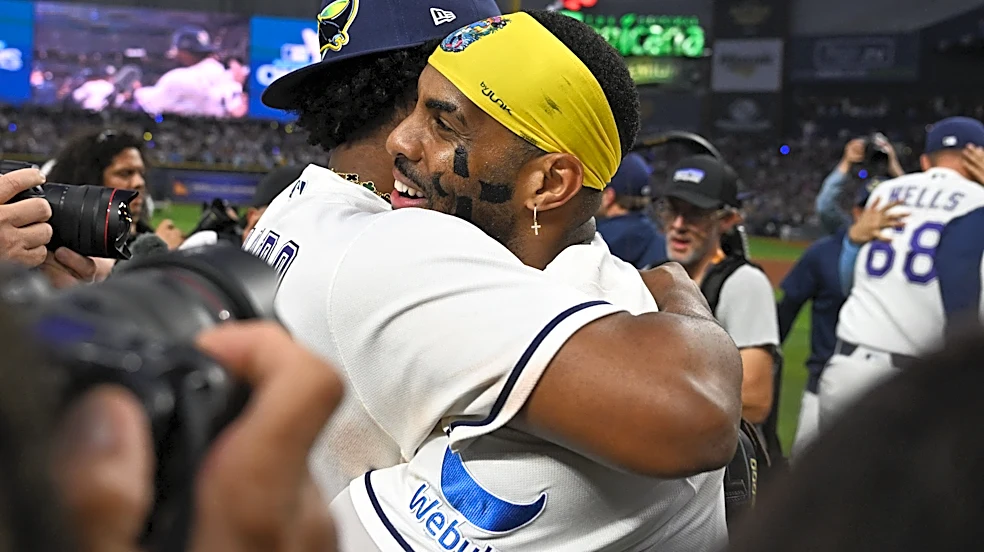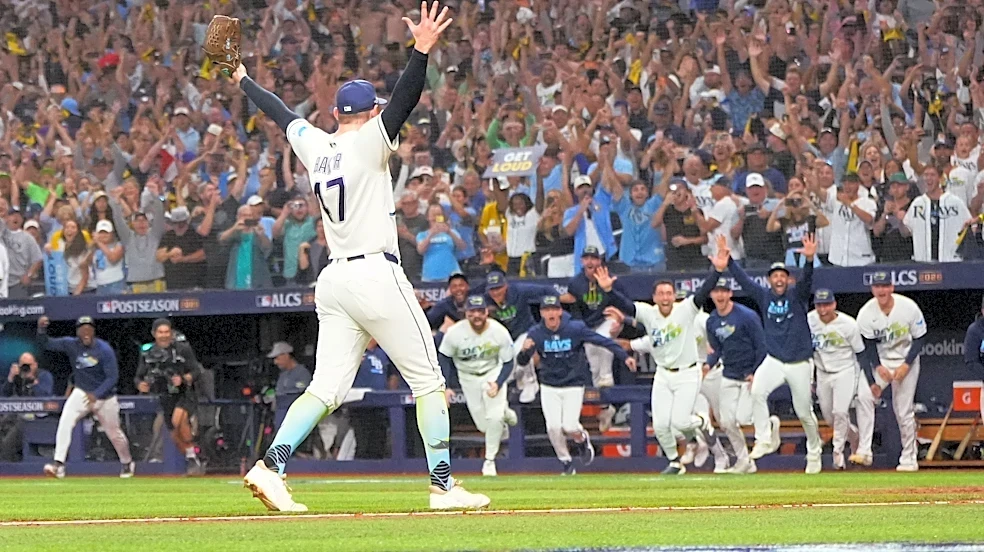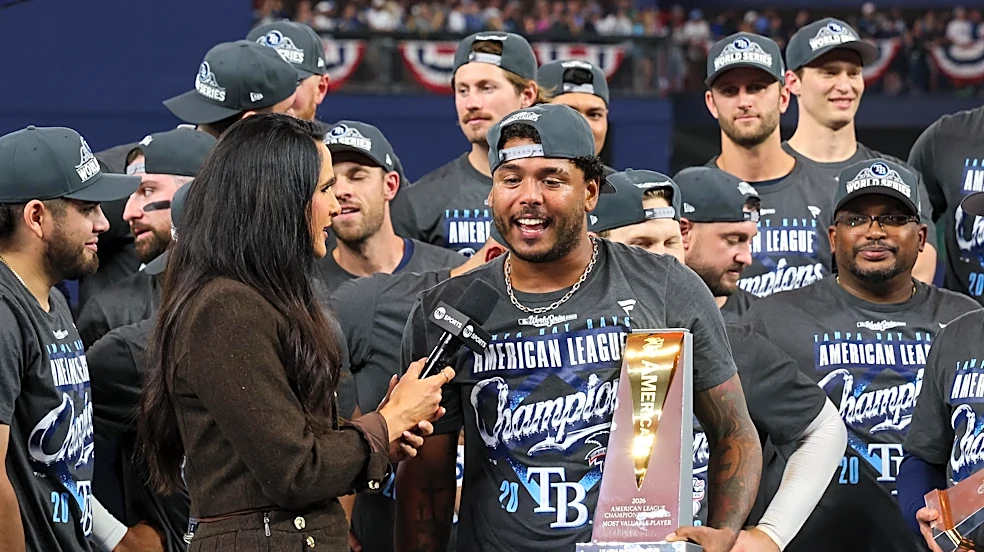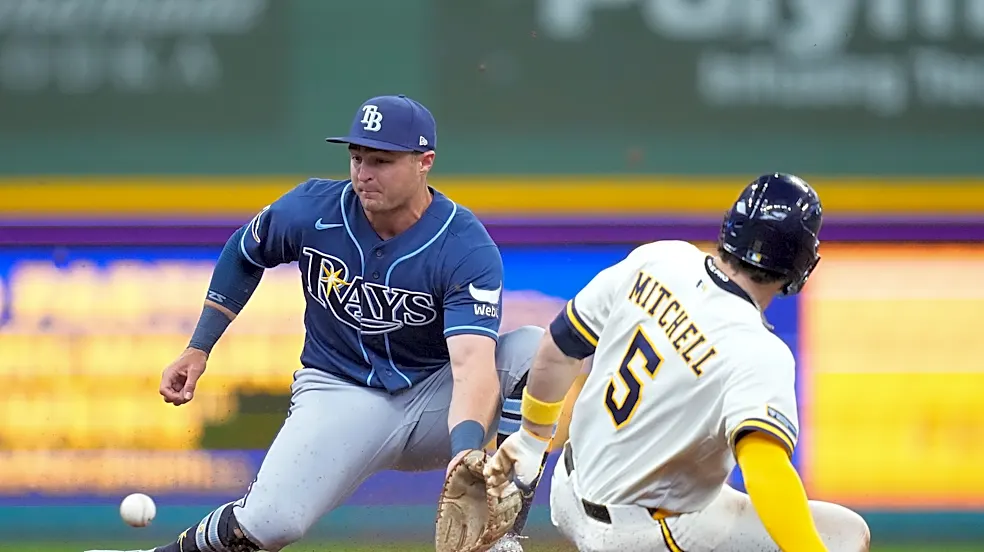

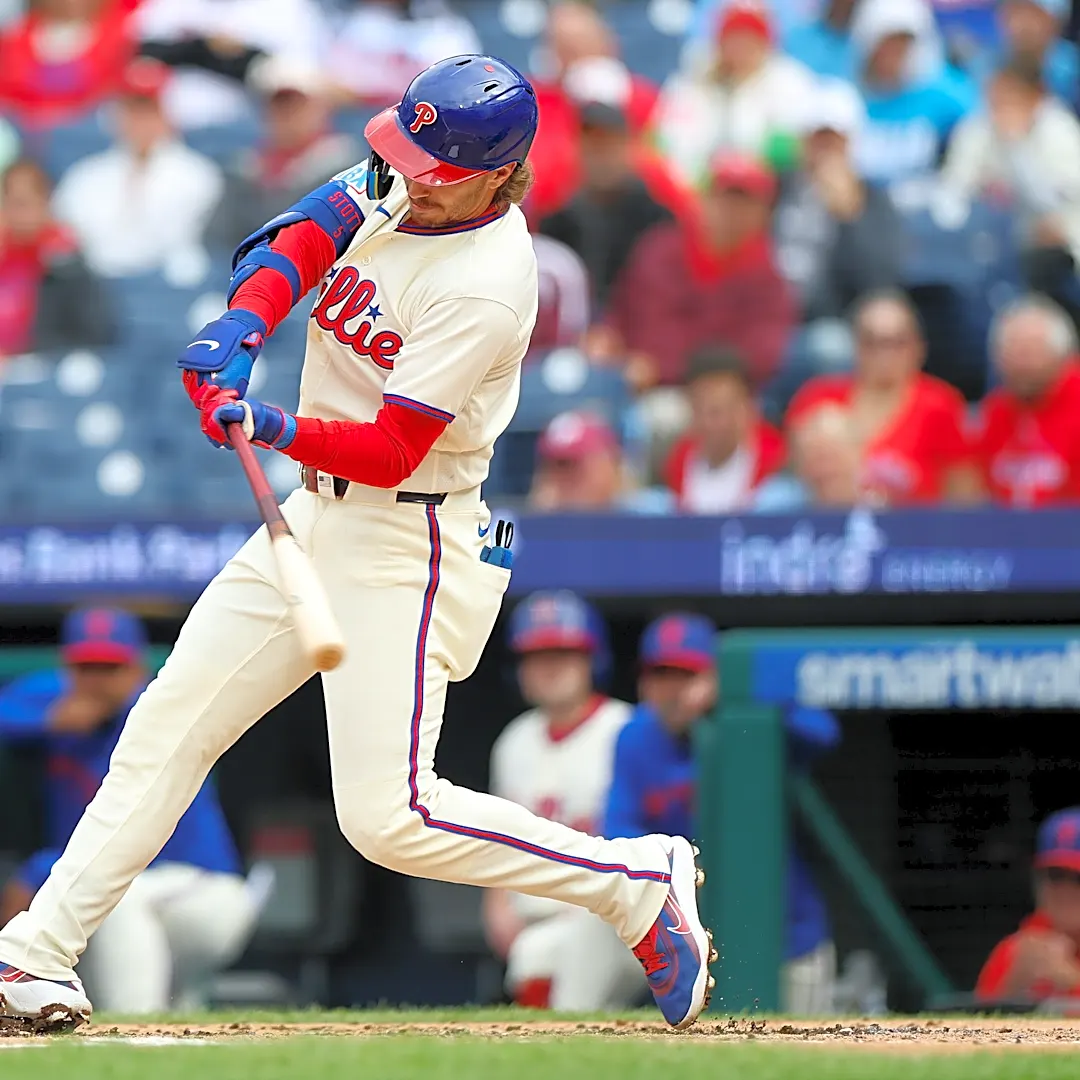
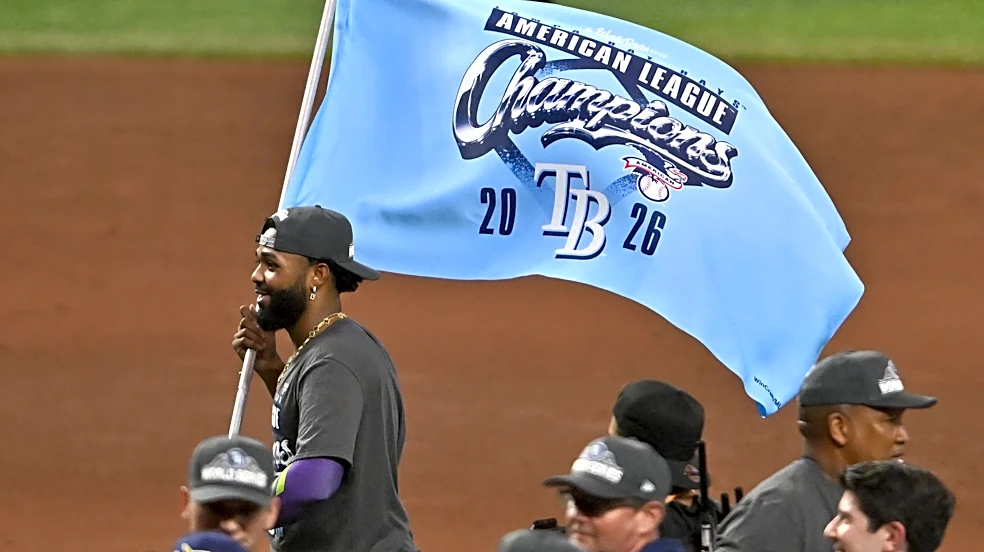

Forget the TV ratings, we’re about to be treated to a World Series between two of the most well-rounded, fundamentally sound teams from the 2026 season. For as much as the Brewers’ and Rays’ small TV markets and low payrolls will dominate narratives during the Fall Classic with the CBA expiration looming, this year’s World Series will feature the team with the best record in the NL taking on the team with the best record in the AL. What that says about the health of the sport overall and the owners’
push to ostensibly and artificially improve competitive balance I will leave for you to draw your own conclusions.
Over the next two days, we will preview the offenses and pitching staffs stacked up against one another. The Brewers and Rays met once in the regular season, way back in the second series of the year in the opening days of April. The Brewers won that three-game series at Miller Park handily, dropping the first game, 3-2, before recording back-to-back victories with score lines of 6-2 and 8-2. If that series is any indication of what we’re in store for, their could be fireworks in the coming days as the two teams combined to hit nine home runs across those three games.
Today, we’ll preview the offenses and tomorrow, we’ll cover the pitch side of things.
Milwaukee Brewers
103-59, 1st NL Central
Defeated Padres in NLDS, 3-1
Swept Dodgers in NLCS, 4-0
The Brewers finished the regular season with the third-most position player fWAR in MLB at 26.1. They had a clear identity over the 162, working deep counts, drawing walks, and putting the ball in play. Their .258 team batting average and 10.6-percent walk rate were both tops in the majors while their collective 107 wRC+ placed them third. However, they also finished second-worst in the league with 154 home runs.
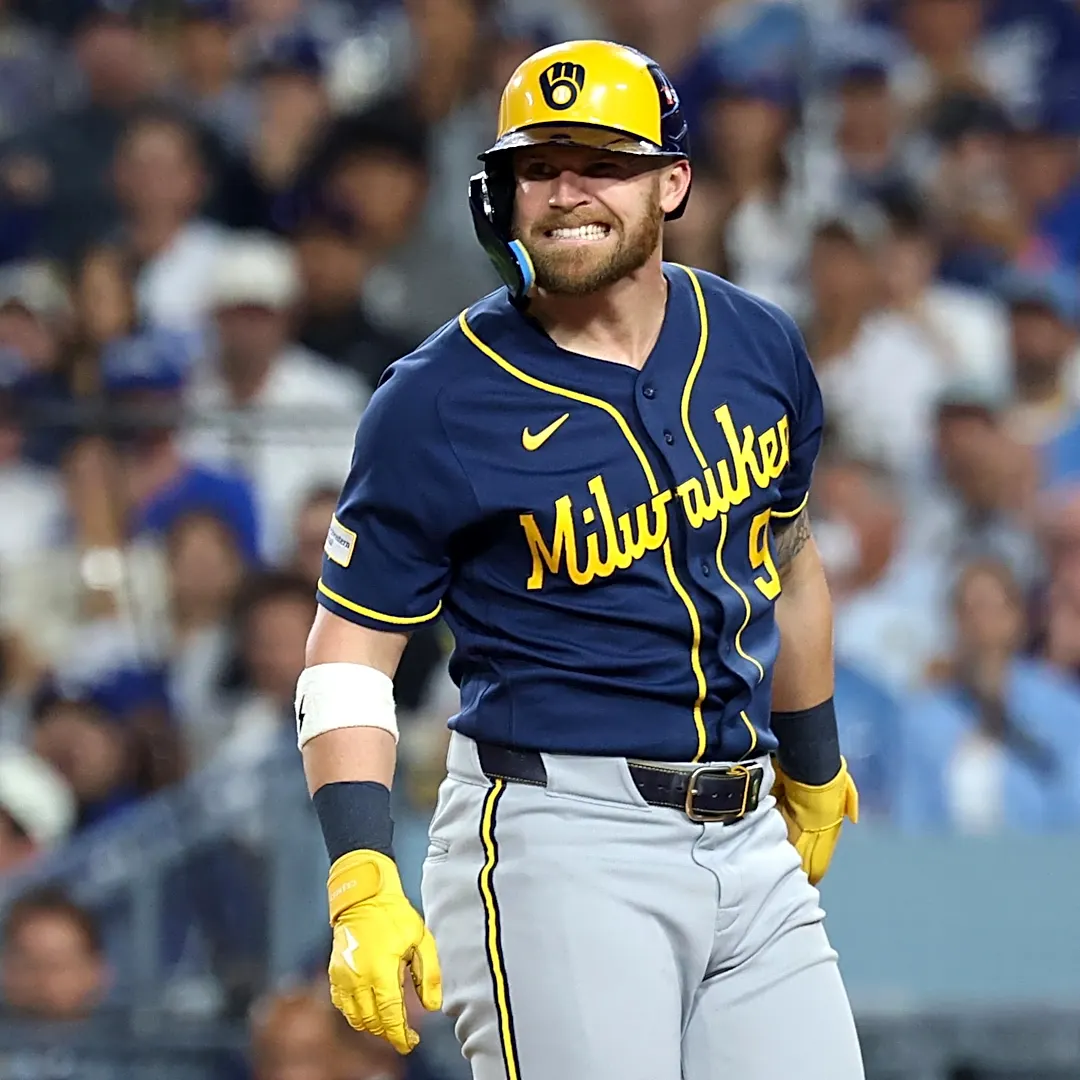
Interestingly, they have flipped the script on that narrative in the postseason. Their .250 postseason batting average is still tops among the 12 entrants, but their ten home runs lead all playoff teams as they are the only team to post a wRC+ above 100 in the postseason. Many of those home runs have come in high leverage moments, none bigger than Jake Bauers’ go-ahead two-run homer at Dodger Stadium late in Game 3 of the NLCS. Others have set the tone early, like Jackson Chourio’s homer to lead off that game against Blake Snell to become the franchise leader in postseason leadoff home runs at just 22 years old.
They have difference makers throughout the lineup, with five of their nine regulars hitting above a 100 wRC+ in the playoffs. Chourio leads the way with his seven RBI, but to my surprise has not done much else otherwise as his 48 wRC+ in 38 plate appearances would suggest — you just wonder how much more explosive the offense would be if he could really get it going. Instead, the burden has fallen on William Contreras and Jake Bauers to consistently shoulder the load. Contreras has the highest postseason wRC+ (212) of any player in the World Series and is the engine of their offense batting .367 with three home runs and five RBI. Bauers has been their most clutch hitter and a threat from the cleanup spot with one home run, six RBI, and a 151 wRC+.
Brice Turang finally got some hits to fall against the Dodgers after an anonymous NLDS against San Diego, but you still expect a lot more out of the player who led the Brewers offense with 5.9 fWAR. Christian Yelich and rookie Cooper Pratt have benefitted from some serious BABIP luck, while Sal Frelick, Luis Lara, and Joey Ortiz have been automatic outs at the bottom of the lineup. However, David Hamilton could be an X-factor, the former Boston speedster getting red hot against LA.
They will likely face the buzzsaw of Drew Rasmussen and ALCS MVP Freddy Peralta in the first two games, but are able to counter by packing their lineup with as many as six lefties against that pair of righties. However, the Rays starters could pose a unique problem to the Brewers lineup. Milwaukee usually grinds pitchers down by drawing walks thanks to the second-lowest chase rate in baseball. However, they tend to struggle against higher velocity fastballs. Rasmussen doesn’t issue walks while the Rays unlocked Peralta by convincing him to throw his fastball harder in the zone — both pitchers thrive pounding the zone with heat and that’s not a pitch the Brewers are best at handling.
Tampa Bay Rays
98-64, 1st AL East
Swept Yankees in ALDS, 3-0
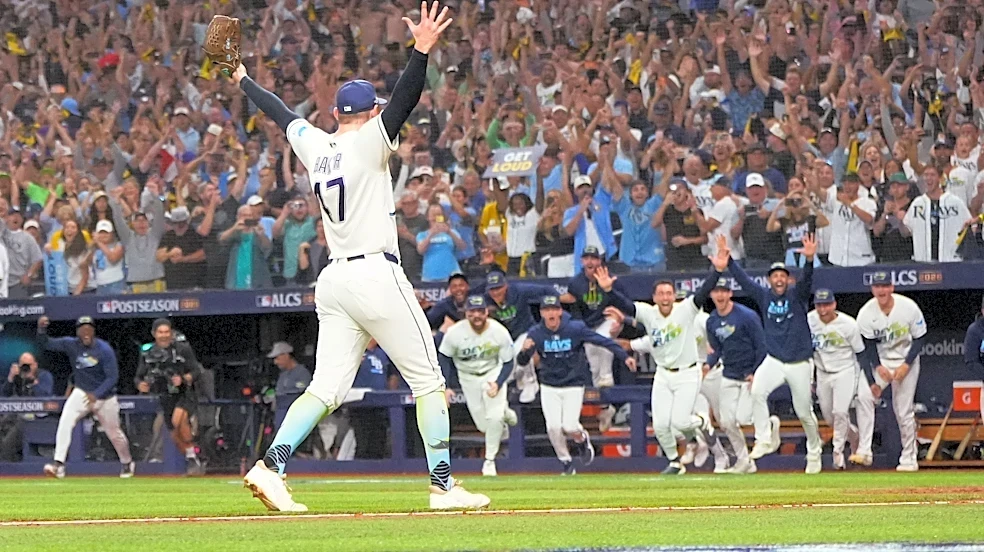
Defeated Guardians in ALCS, 4-2
The Rays’ offensive identity is similar in many ways to the Brewers. They tied the Brewers for the major league lead in average (.258), and finished right behind their soon-to-be opponents in fourth with 23.8 position player fWAR and tied for fifth with a team 104 wRC+. They hit 15 more home runs during the regular season but still finished in the bottom-third of the league. The biggest difference saw Tampa favor more of a bat-to-ball approach than a patient one. Whereas the Brewers led the league in walk rate while carrying a league-average strikeout rate, the Rays were bottom-third in walk rate but struck out the least of any team at just 18.8-percent.
As with any Kevin Cash team, this Rays team did their winning on the margins. They squeeze every last drop out of their roster through executing the fundamentals — moving the runner over, taking the extra base, getting the run home from third with less than one out, etc. It is how they were by far the largest over-performers of their Pythagorean expected win-loss of any team in baseball, winning eight more games than their +86 run differential would have suggested.
They faced more determined opposition than the Brewers did in the LCS, the Guardians pushing them to six games. It was a bit feast or famine in that series, the Rays scoring seven runs in two games but three or fewer in the other four. Like every other offense other than the Brewers, they have largely struggled against top-tier postseason pitching, with an 82 wRC+ across their nine games.
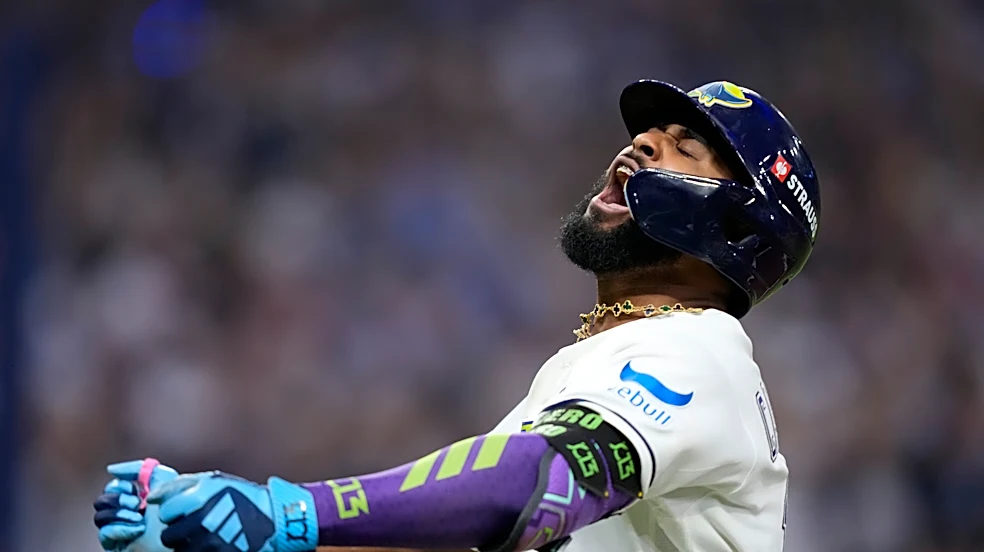
Tampa’s offense appears way more top heavy than the Brewers. During the regular season, they were powered by the three-headed monster of Yandy Díaz, Jonathan Aranda, and Junior Caminero, and two of the three have certainly brought it this postseason. Díaz is the unequivocal driving force batting leadoff, slashing .308/.341/.564 with two home runs, four RBI, and a 151 wRC+, his Game 6 home run putting the final nail in the Guardians’ coffin. Caminero hasn’t quite hit the heights of his regular season, when he became the first player since Eddie Matthews to post consecutive seasons of at least 40 home runs before turning 24, but his two-run homer in Game 6 was a dagger to raise his wRC+ to 127 in nine games.
Aranda’s 96 wRC+ might fall well short of his regular season mark of 123, but the Rays have discovered a new hero to take his place as an impact contributor. Richie Palacios has been a league-average role player in his five regular seasons but has exploded these playoffs with a .364 average and 141 wRC+ despite remaining the only Rays starter not to draw a walk yet in the postseason.
Otherwise, at first glance, it appears there are a whole lot more black holes in the Rays lineup than their opponents. Chandler Simpson, Liam Hicks, Jonny DeLuca, Victor Mesa Jr., and Taylor Walls all sit below a 65 wRC+ this postseason, but that doesn’t tell the whole story. While perhaps not productive in the main, the lineup has shown a remarkable knack for getting hits with runners in scoring position — Díaz, Caminero, Palacios, Aranda, Simpson, and Hicks have all driven in at least four runs across the two series they’ve won.
Unlike the Brewers, the Rays absolutely punish the fastball, particularly Díaz and Caminero. That should make for a blockbuster matchup against Jacob Misiorowski in Game 1, the presumptive NL Cy Young’s triple-digits fastball already getting knocked around by the Padres and Dodgers. It should also give them a distinct advantage against Milwaukee’s high octane bullpen, who were able to blow away LA’s aged, slowing bats with sustained gas.