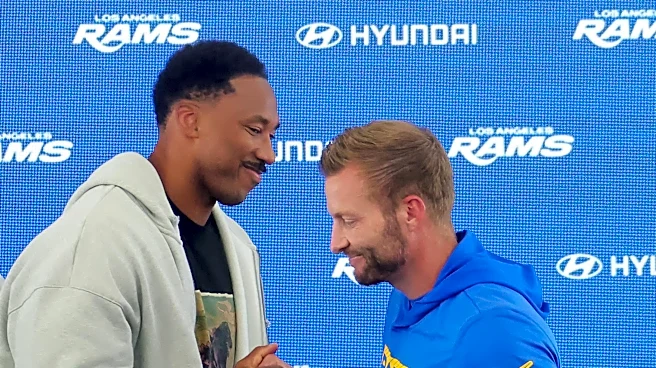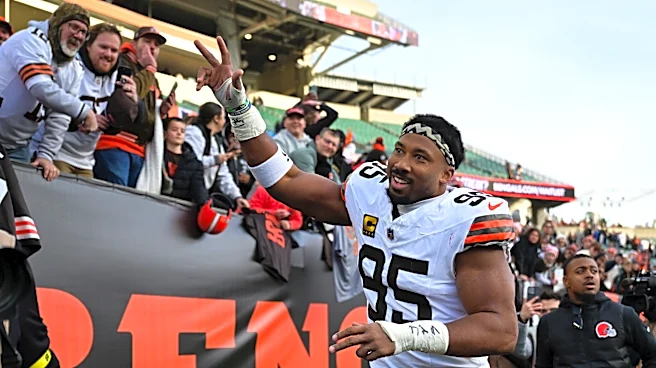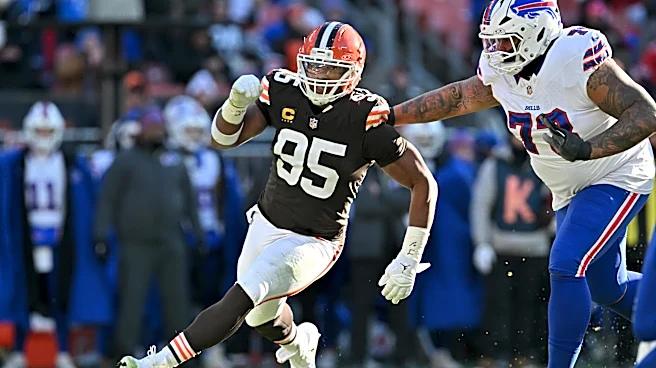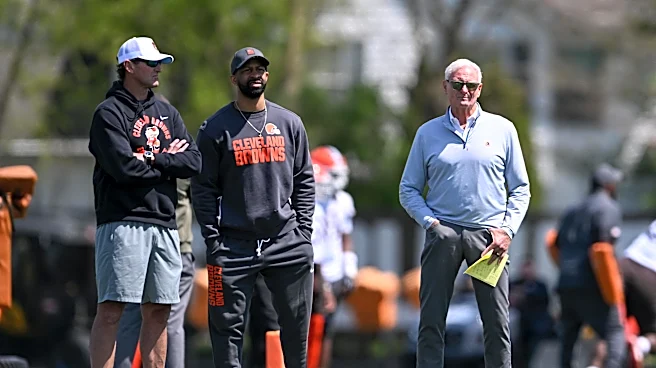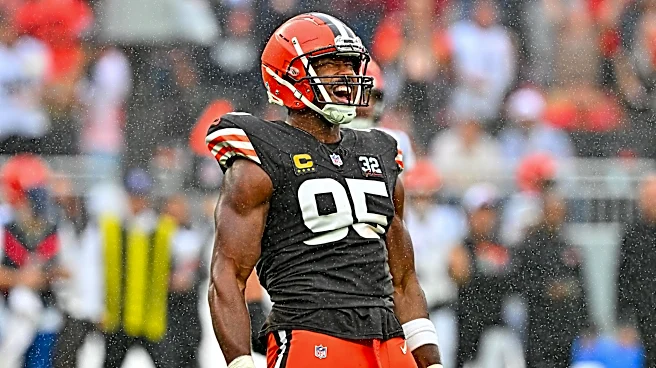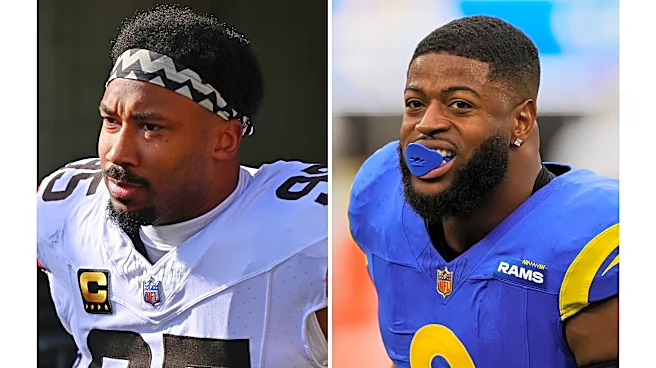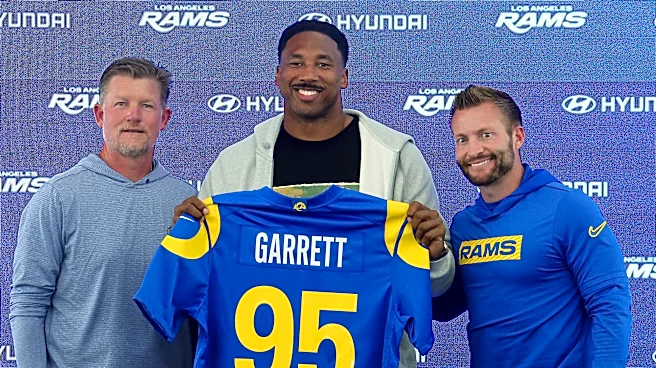





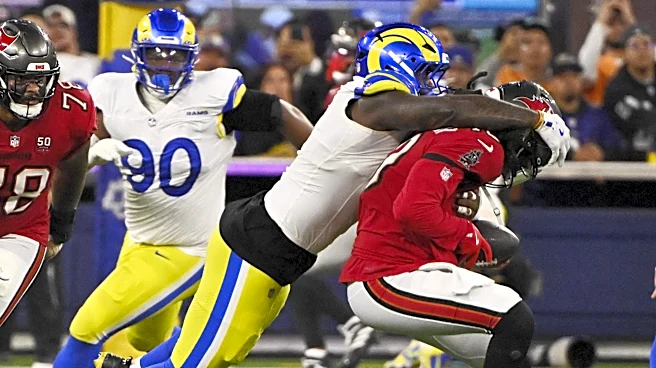
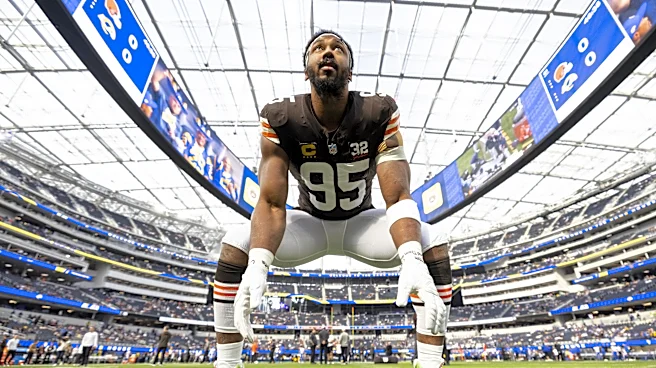
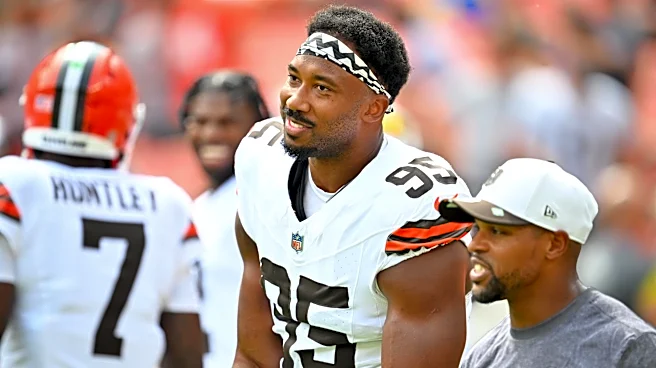
Earlier this week, the Cleveland Browns traded star defensive end Myles Garrett to the Los Angeles Rams. It was a shock to the entire fanbase, as many didn’t expect Cleveland to do it, but they did it. The move signals a bigger picture of what the team is trying to do, and while some fans will not agree with it, it was the necessary move that had to be made.
Fans will look for many reasons as to why this trade happened. Trading for quarterback Deshaun Watson, in which Watson never looked anything
close to his Pro Bowl self while he was in Houston, is why Garrett is not here. However, it goes back to 2018. The Cleveland Browns had the 1st overall pick. In terms of quarterbacks in that class, Lamar Jackson, Josh Allen, Sam Darnold, and Baker Mayfield. The Browns went with Mayfield.
Jackson and Allen both won MVP’s and racked up accolades. Darnold, who also had his struggles, like Mayfield, eventually found his footing, and he just won a Super Bowl with the Seattle Seahawks. Mayfield, on the other hand, struggled with consistency during his tenure in Cleveland but never showed the potential to be a game-changer at the quarterback position. Mayfield has stabilized with the Tampa Bay Buccaneers, but there are still questions if he will ever be a top 10 quarterback in the NFL.
The Browns missing on the QB eight years ago led to the trade for Watson and, combined, is why Garrett is in Los Angeles right now.
Garrett asked for a trade last season. He didn’t get it, and instead he got a new contract. Despite the team’s struggles again last season, Garrett didn’t request a trade, but it was clear he wasn’t happy despite the amount of success he’s having as an individual.
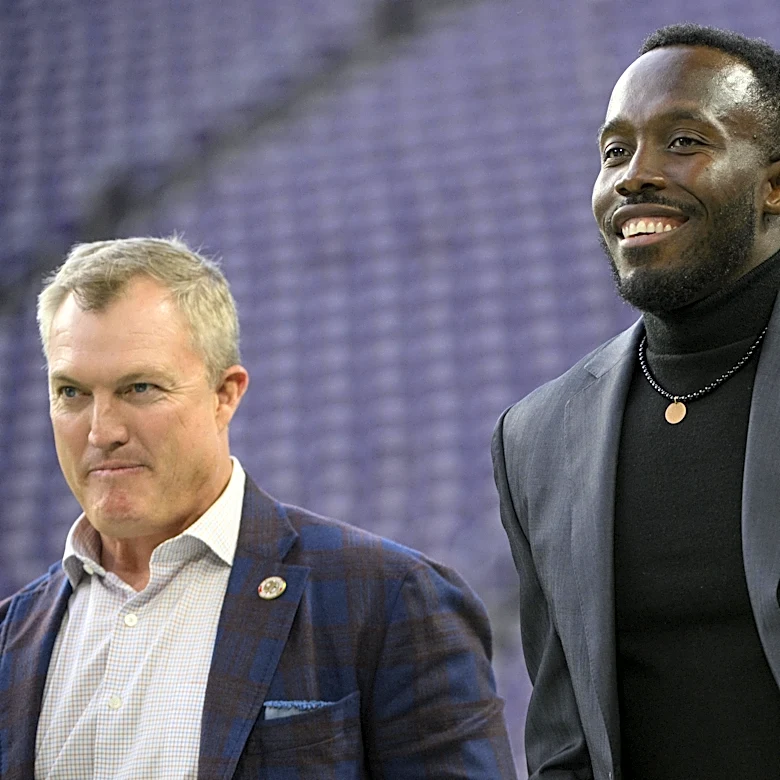
From a PR standpoint, Berry shielded Garrett and took the bullets himself. Garrett’s team might have publicly pushed for this move, considering that Garrett is represented by Klutch Sports (which is owned by Rich Paul, who is a close associate of basketball icon LeBron James), but allowed Berry to work quietly. Klutch and Garrett’s group probably understands that the star defender would get better opportunities from a football and business standpoint if he were to play somewhere where winning was a regular thing.
In that case, Garrett getting traded was a no brainer and considering how Garrett has a no-trade clause in his contract, the Rams made a ton of sense. Berry was required to tiptoe a fine line between getting what Cleveland wanted to get in return, what a team was willing to give up for him, and getting Garrett to accept the trade.
Organizations that have self-awareness and understand their timelines are ones that are willing to make tough decisions. In the Browns case, this is the reality of their situation:
- The team doesn’t have a franchise QB
- They aren’t close to contending for a Super Bowl
- Their timeline doesn’t fit Myles Garett’s timeline
Put yourself in Garrett’s shoes, but instead of a professional football player, you are a high-ranking employee at a company that’s an upstart but has been struggling at times. Despite your success as an individual, the company itself hasn’t seen progress the way you wanted. Instead of staying, you decide to look elsewhere, and you find a better company that offers better benefits, has had more success, and can pay you much more than what your previous job offered. Do you choose to stay at the struggling company, or do you choose to go the well-established company that has been successful?
You can’t fault the Browns for doing this, and you can’t fault Garrett’s camp for understanding that he has better opportunities elsewhere than in Cleveland. Does it hurt that Garrett’s gone? Yes. Could the Browns have gotten more for Garrett? Possibly but unlikely. Trading Garrett might have been the unpopular move, but when you don’t have clarity at the quarterback position and you aren’t close to contending for a Super Bowl, it was the right move to make.