


Look, I’m not here to tell Jordan Ott how to do his job. He’s in the building every day, around the guys, diving into film like no one else. He is a sicko. A junkie. I’ve appreciated the job he’s done this year.
I am merely a spectator, offering observations on what we all saw on Tuesday night. Now that we’ve got that part out of the way, it’s time to dive into a few rotational flaws that I believe cost Phoenix the game on Tuesday night.
The Small-Ball Trap
It’s vital for the Suns not to get caught up in pre-made plans
again and to make in-game adjustments or counters as things develop in front of them.
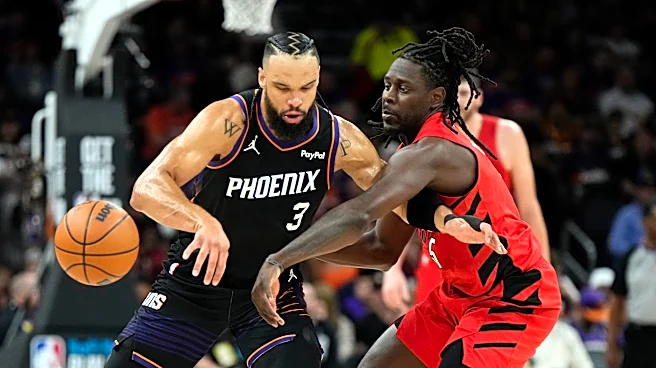
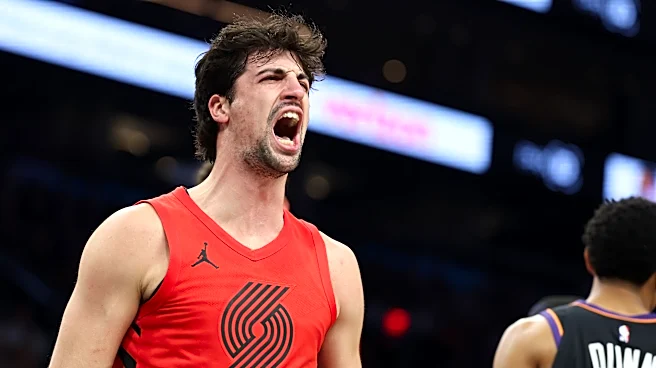
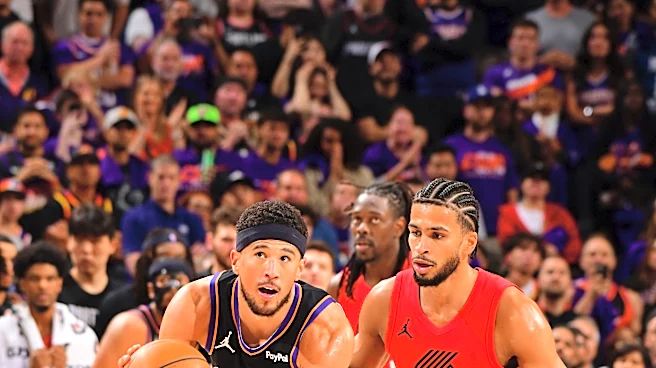
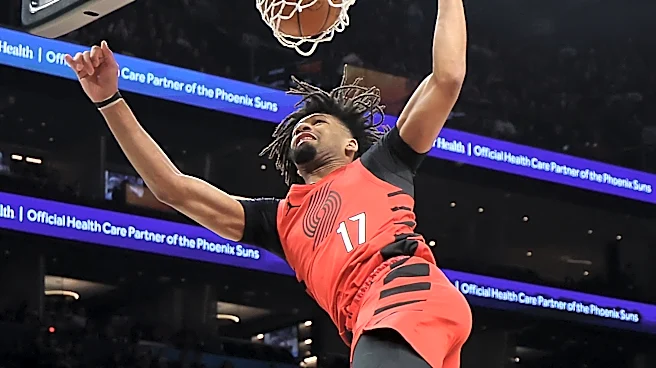
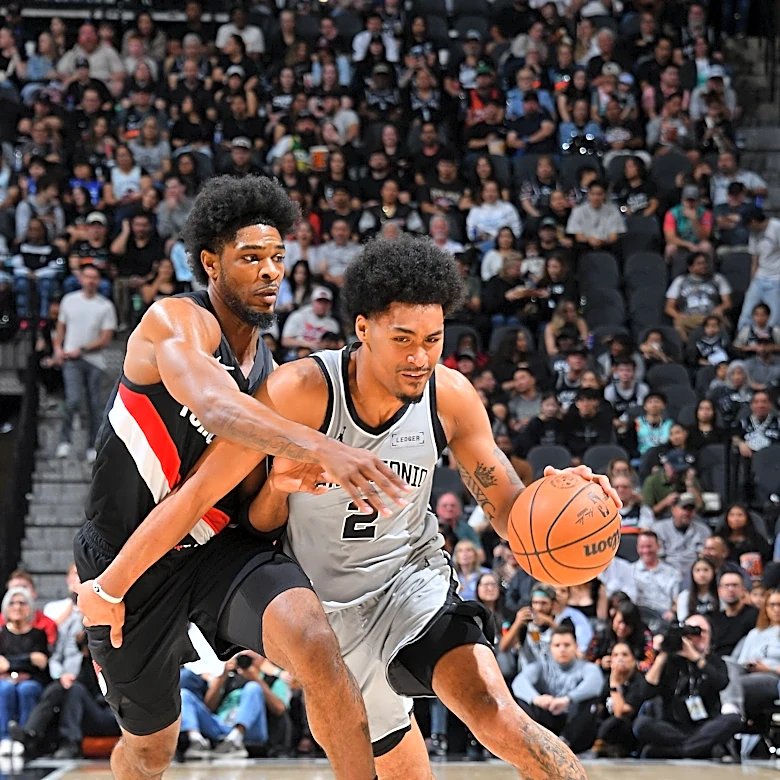
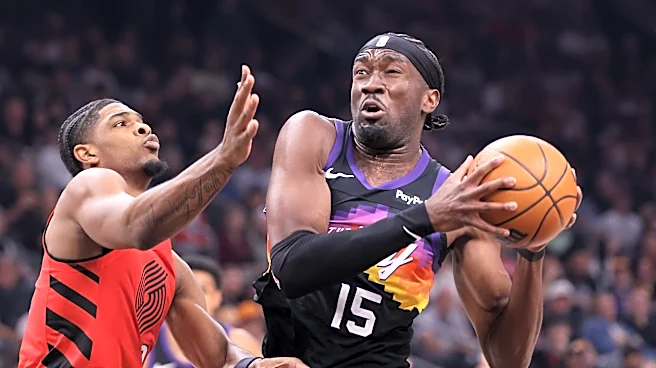
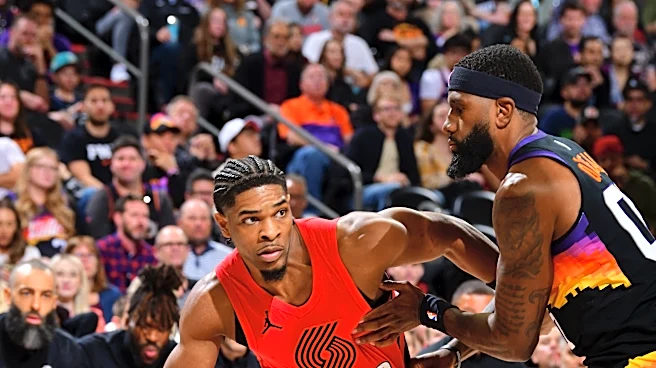
The most glaring issue in the fourth-quarter collapse was the insistence on staying small while Deni Avdija was treating the paint like his own personal playground. Avdija is a 6’8″ matchup nightmare who plays with the strength of a power forward and the vision and speed of a guard as he attacks downhill. When he’s attacking, you can’t meet him with a “switch everything” mentality that leaves a 6’4″ guard as the primary rim protector. Or by throwing a slower Brooks/O’Neale/Oso on him when he’s already hitting full speed. It puts you at a disadvantage from the start.
Credit to Portland for creating those advantages and putting Deni in a spot to succeed.
By the time Jordan Goodwin hit that layup to give us the lead with 32 seconds left, the damage was already done. The Suns had spent the previous six minutes getting bullied on the glass. Portland finished with a +4 rebounding edge, but it felt like +20 in the final frame. In a game decided by four points, those extra possessions are the difference between the 7th seed and a do-or-die that we now face against Golden State.
Leaving Size on the Pine
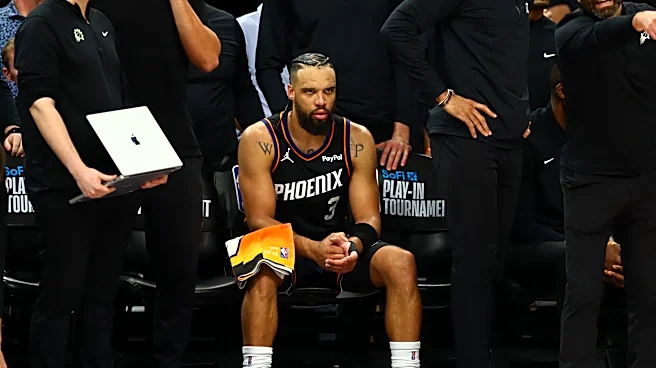
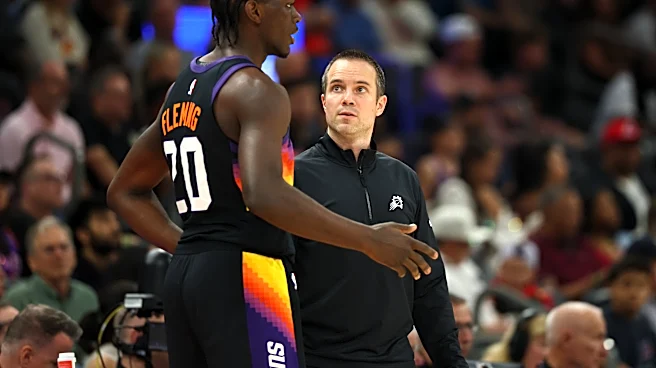
The Suns have length and athleticism on the bench that remained largely untapped when the Blazers turned up the physicality. Against a Portland team that starts length at almost every position, Phoenix opted for lineups that prioritized spacing over survival. Rasheer Fleming has shown he is already one of our best defenders. Rookie or not, he had to be out there. That’s the hill I will die on.
We needed a “hit back” presence. There were stretches where the Suns’ interior defense looked like a revolving door because the help-side rotations were coming from players giving up three or four inches in height. Jordan Ott has been a master of adjustments all season. He’s a major reason we’re even in the Play-In conversation in the first place, but on Tuesday night, the “tactician” got out-muscled. Using the bench’s size to disrupt Avdija’s rhythm or to at least make those 13 free-throw attempts harder to earn would have changed the geometry of the court.
The individual matchups didn’t tell the whole story, because it takes team defense (switching, helping, etc.) to slow down a downhill threat like Deni.

Deni got to the rim basically whenever he wanted. It’s what he does, but they had to make it more challenging. It was way too easy all night.
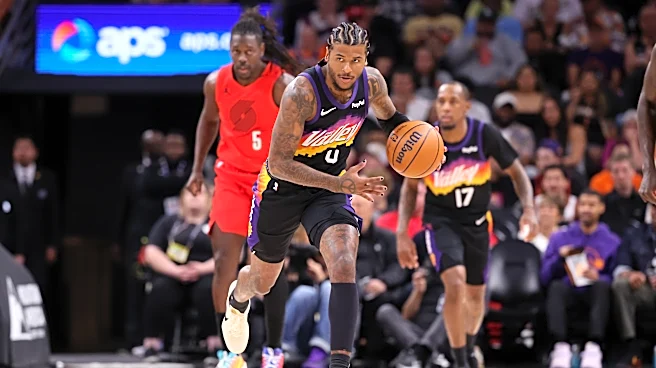
Jalen Green was spectacular, but he looked gassed in the final two minutes. That 18-8 run Phoenix put together to take the lead was fueled by pure adrenaline, but once the Blazers responded, the Suns had nothing left in the tank. Once the game slowed down, Portland’s size took over and won.
The Suns were up 11 halfway through the fourth. They had a 95% win probability. You don’t lose that game because of “officiating” or a few missed free throws, although nine misses at the line certainly didn’t help. You lose that game because you let the opponent dictate the physical terms of the engagement.
Friday is a new season. If Ott and the Suns want to avoid being the first 7th seed to ever miss the dance entirely, they have to stop leaning into the “small and skilled” identity when the game turns into a “long and athletic” street fight.
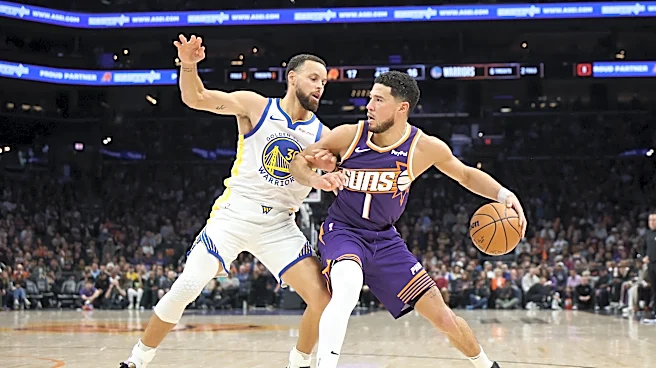
Things couldn’t be more polar opposite in this next one. The Warriors present an entirely different matchup problem, so it’s time to scrap the Portland plan and focus on doing what’s needed to take down Steph and the Warriors.