

On Tuesday, college baseball took one step closer to implementing technology that can ensure more accuracy in the game.
The automated ball-strike system, known as ABS, was approved for use across all divisions of college baseball starting next season.
Following NCAA approval in July, Tuesday’s statement was that the Division I Baseball Oversight Committee and the Division II and III Playing Rules Oversight Panels approved the usage of the technology.
Considered an experimental rule, individual teams will have the option to use the system as long as the technology is available at their facility.
The SEC experimented with ABS during their conference tournament in Hoover for the 2026 season. It was highly successful with a conversion rate of 56.2%. There were 105 challenges and 59 of those were overturned. Each team started the game with 3 challenges and retained them upon a successful attempt.
With umpiring being far from perfect, especially in the SEC, ABS feels like a no-brainer. It’s quick and barely slows down the flow of the game. The pitcher, catcher, or hitter can simply tap their hat/helmet a few times, the umpire announces the challenge, and the video board displays a box representing the strike zone and whether or not the ball touched the zone. The call is either changed or upheld and the game carries on all in the matter of 10-15 seconds.
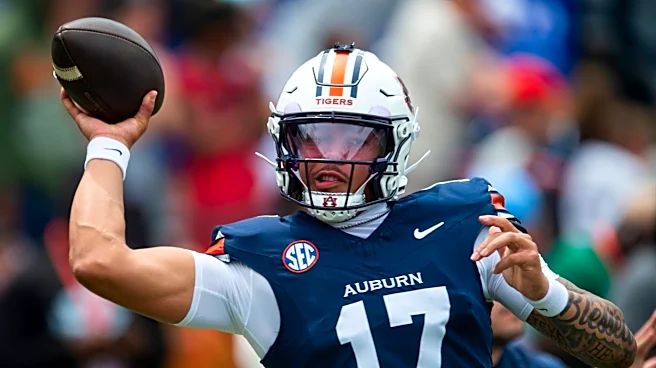
LSU benefitted from ABS twice in the 9th inning of their final game of the year. With a loss meaning the end of their season, the Tigers were down 3-1 to Auburn and needing a rally. Derek Curiel was called for strike 3 with a 3-2 count, but immediately tapped his helmet and was correct.
Later that inning, Brayden Simpson was also called for strike 3 on a 3-2 count, which would have ended the game. He challenged and it was overturned, which awarded him a walk and he became the tying run on 1st base. LSU was unable to complete the rally, but neither of those players would have reached base if not for ABS.
I was told by a source close to the situation that while the technology will be allowed to be used through super regionals, it will not be available at the College World Series in Omaha. The reason for that was not explained, but as of now, they will revert back to full umpire control for the biggest tournament of the year.
The use of 18-inch bases was also approved for all three divisions of college baseball next year. As of now, 15-inch bases are the standard.
The double first base will now be required for all games. The SEC was first to experiment with that rule at the conference tournament in 2024. It became optional in 2025, then mandated for all Division I schools in 2026. Now, all of college baseball will be required to use it.
Division I baseball will use a 30-second timer for between batters, along with mound visits and offensive timeouts.
Other experimental rules that are on the table for all three divisions include a pitcher having two free disengagements with a third needing to result in a pickoff out or it would be considered a balk. It’s also possible that pitchers entering a game will face a three batter minimum, unless the inning ends.
Each of the last two possible rules are standard in the MLB.
Do you like these rule changes? Which ones do you look forward to and which would you rather not see in the college game?