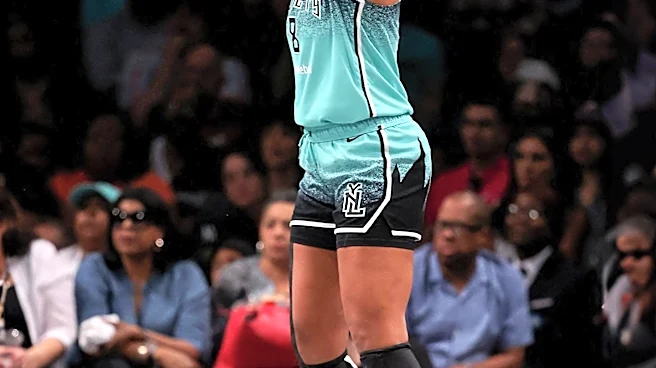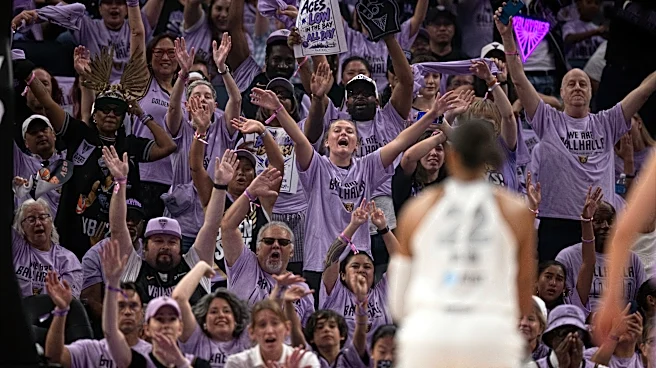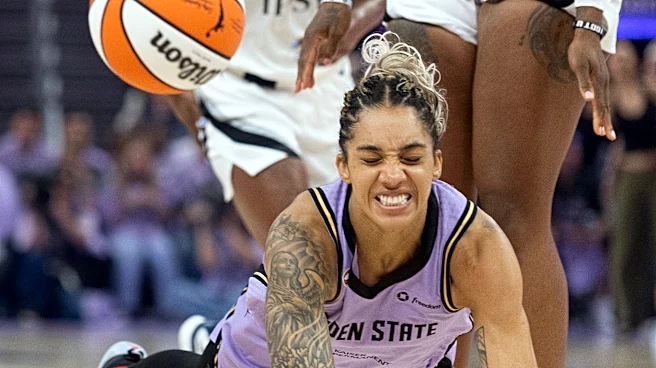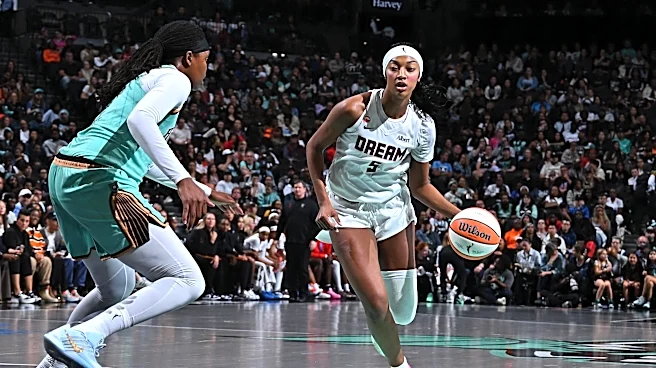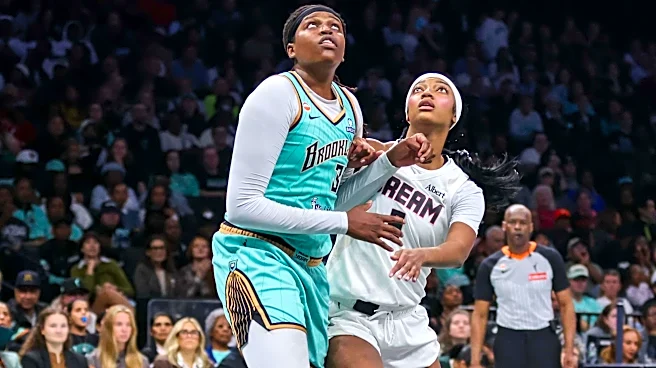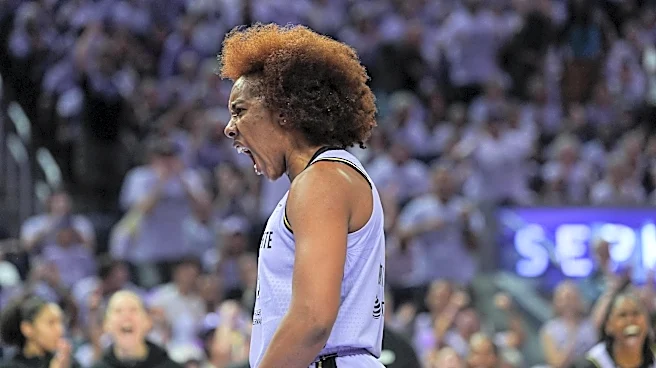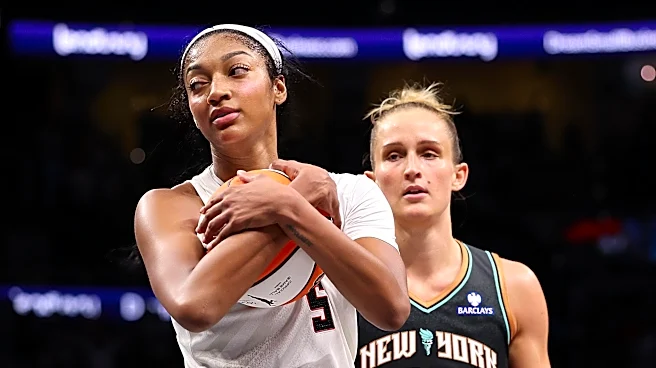




Will a season in which WNBA offenses exploded, with the league reaching new offensive heights behind a combination of officiating emphases, modernized strategies and more skilled players, end up with two defense-first teams fighting it out in the 2026 WNBA Finals?
Just a game into the two five-game WNBA semifinal series, it’s way too soon to offer a definitive answer. But, it’s worth pondering.
On Wednesday night, the No. 4-seed Atlanta Dream and No. 2-seed Golden State Valkyries will host the Game
2s, looking to again protect their homecourts and take 2-0 semifinal leads over the No. 8-seed New York Liberty and No. 3-seed Las Vegas Aces, respectively.
Dream-Liberty tips off at 7:30 p.m. ET on ESPN, with Valkyries-Aces to follow at 9:30 p.m. ET on NBCSN.
Through much of the 2026 season, ascendant young guards leading offense-first teams—headlined by Olivia Miles of the Minnesota Lynx, Paige Bueckers of the Dallas Wings and Caitlin Clark of the Indiana Fever—were imagined as the future of WNBA success. With pace, passing, style and shotmaking, they have been promoted of ushering in a new era of WNBA basketball.
And, in many ways, that’s true. They have and will compile stats, break records, win awards, feature in commercials and collect fans and stans.
But, all of Olivia, Paige and Caitlin are sitting at home, ousted in the first round.
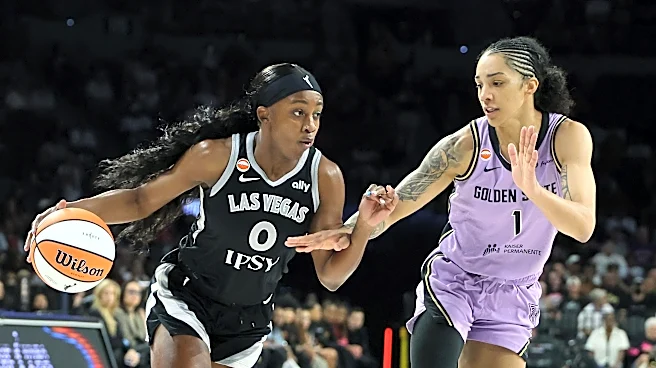
Meanwhile, two teams that feature lead guards who are not celebrated for ambitious passing, efficient scoring or deep 3-point shooting, but are elite defenders, are up 1-0 in the semifinals. (Although, with her 25 points, including 4-for-6 from 3, in Game 1, Jordin Canada may be announcing herself as an offensive dynamo.)
Overall, a voracious up-and-down-the-roster embrace of defensive duties define both the Valkyries and Dream. Neither team needs to scheme around or protect certain players. There’s a team-wide commitment to defensive exertion and execution. No one is above the demands of the defensive end.
Together, the Dream and Valkyries claim the top-two finishers in the 2026 Defensive Player of the Year race, with Angel Reese receiving the honor over Gabby Williams. Rhyne Howard and Veronica Burton were both DPOY vote getters, while Canada and Kiah Stokes also were vote-worthy. Those six players conceivably could—and maybe should—take six of the 10 spots on the WNBA All-Defense teams. Allisha Gray, out for Game 2 with her injured left hand, also has an argument to make it seven.
For Atlanta, Angel is leading a frontcourt that also includes Naz Hillmon and DeWanna Bonner, giving them a trio of long and strong defenders particularly capable of neutralizing the usually-deadly offensive versatility of Breanna Stewart and Jonquel Jones. The Dream group of Reese-Hillmon-Bonner can hold up inside and contain drives, in addition to contesting shots from the perimeter. Elsewhere, Howard has the size to deter the shooting of Leonie Fiebich, all while also patrolling passing lanes. In Game 1, Canada more than proved the frustration she can cause for the Liberty guards.
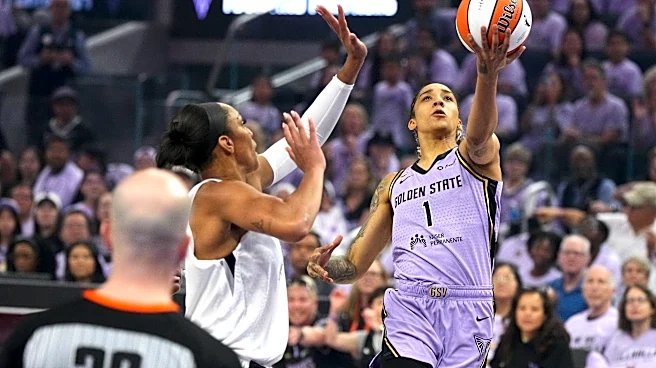
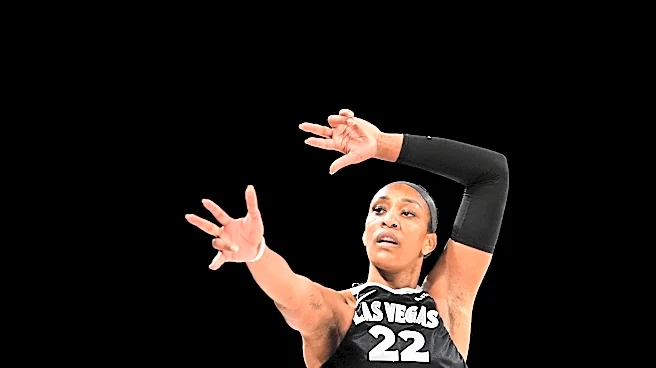
Stokes is the key for Golden State, using her elite rim protection, plus some extra familiarity with A’ja Wilson, to nullify the soon-to-be five-time MVP. Then, Williams and Burton can be deployed on Jackie Young and Chelsea Gray, possessing the athleticism, instincts and smarts to make things difficult for the championship-winning duo.
While both consistently excellent defensively, Atlanta and Golden State likewise share a tendency for offensive stagnancy, or even outright ugliness. Issues in the offensive halfcourt seemed certain to undo them in the postseason—and maybe that still will happen. An over-reliance on 3-point shooting can be levied as a criticism of both teams, particularly when the triples aren’t falling, as can aimless isolation possessions by stars who sometimes can be, but aren’t always, top-tier creators.
And yet, the two teams are the closet to the WNBA Finals, using the momentum generated by their defenses to drive offensive successes.
Momentum, however, is fickle, especially in the postseason. Every game seems to establish the terms of engagement for a series, only for everything to flip after the following game.
That the defensive-first Dream and Valkyries are up against squads that sport the greatest offensive players of their generation in Stewart and Wilson could easily result in an offensive revenge, where great offense just beats great defense. Alternatively, both Stewie and A’ja are also all-time defensive talents, capable of setting defensive tones for their teams that could allow them to match, or even outmatch, their opponents.
What do you think? Will the defense of the Dream and Valkyries vault them into the WNBA Finals? Or, are you expecting a response—on offense, on defense and everywhere—from the Liberty and Aces?
Give us your takes in the comments.