


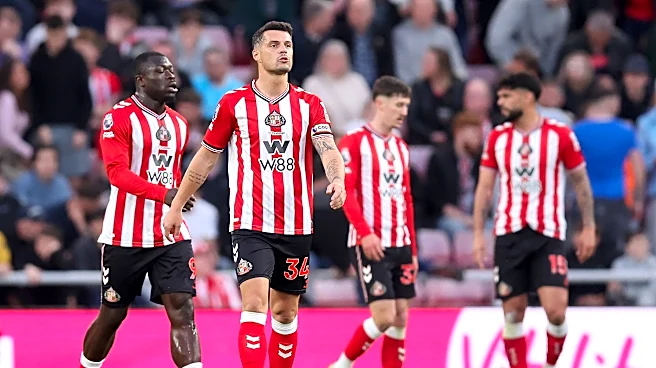


I’m worried. Actually, no. Not necessarily worried, but concerned.
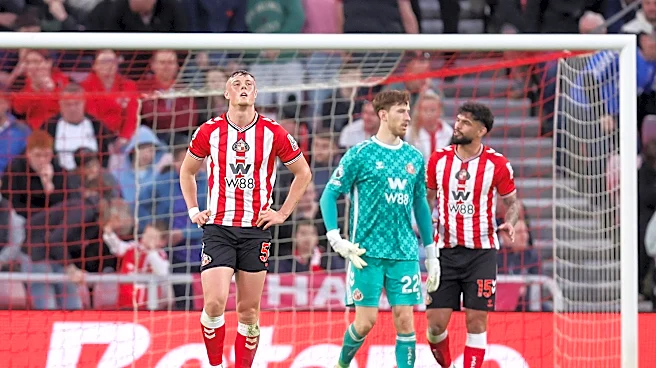
Not about Sunderland’s direction of travel on the pitch because that remains very encouraging even in spite of Friday night’s implosion at home to Nottingham Forest, but it’s what’s currently happening in other areas that’s causing a nagging doubt to evolve into something of greater concern: that of how our supporters are viewed and potentially treated as the club grapples with the age-old dilemma of overseeing progress while preserving
what makes Sunderland AFC so special.

Of his 1997 blockbuster Titanic, director James Cameron described filmmaking as “a great battle between business and aesthetics”, and after recent revelations about questionable treatment of supporters and accusations of shoddy communication during the season ticket renewal window, it feels like there’s a similar scenario unfolding here; in fact, simply substitute ‘aesthetics’ for ‘club/supporter relations’, and that sums it up.
Of course, it would be naive to ignore the fact that revenues need to be maximised and all avenues kept open, hence the periodic reheating of the vision of an expanded Stadium of Light, among other things.
Looking at this myopically, you could define it thus: “Want a competitive team? Accept the tradeoff.”
That’s fine, but that shouldn’t come at the expense of potentially easing longtime supporters out of the fold — the supporters on whose shoulders the club was often carried during the lean times and who felt the pain of four years of lower-league exile more acutely than anyone.
This all comes against the backdrop of yet more change on Wearside.
On the footballing front, Kristjaan Speakman has already departed and in recent weeks, the news that David Bruce would be leaving was met with what felt like quite a shocked reaction. A lifelong Lads fan and a man of huge experience, he was clearly the right man for the role at a time when we were attempting to overhaul various departments in preparation for top flight football, but now we’ve made it? Seemingly not.
Bruce did many good things during his tenure at the Stadium of Light.
The Hummel kit deal, improved standards of in-stadium catering and a willingness to engage with fans and take suggestions on board were all highly commendable, but that can’t be the end of the story. Sunderland fans are not expendable and nor should their love of the red and white be commodified. This is much more important than that. It simply has to be.
In a recently-released interview, interim CEO Tom Burwell spoke at length about the various commercial aspects and moving parts that make up a Premier League club’s infrastructure, including season ticket holders and the importance of aiming highly when it comes to future growth.
He spoke well and he clearly has big plans for the years ahead, but the cynic in me couldn’t help but feel that this was the groundwork being laid for decisions to be taken that have the potential to at best, make certain fans feel somewhat expendable and at worst, as if they’re unwanted.
Burwell clearly understands the scale of the task both he and the club face, but does he have a true understanding of our supporters and how to keep them onside? Debatable, in my view, but that could also change in time.
On the other hand, Sunderland are by no means alone in this particular fight.
Premier League football has become increasingly soulless and worryingly synthetic in recent times, but on the banks of the Wear, we’ve tried our hardest as supporters to buck that trend.
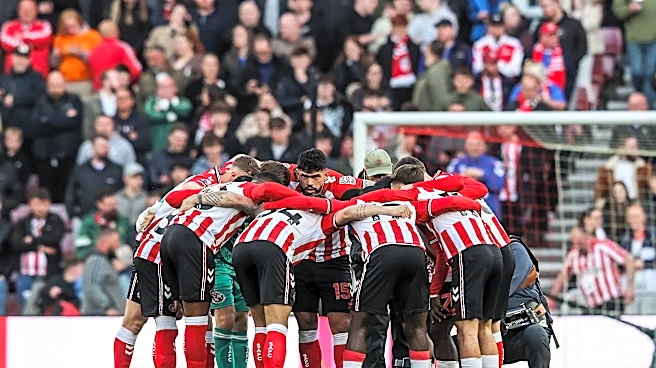
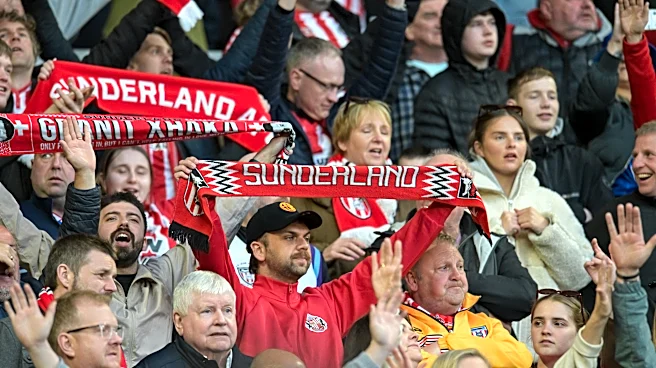
Atmospheres such as that which we experienced at the Wear-Tyne derby can’t be manufactured, for example; we’ve invested an awful lot of emotion and money into following the Lads on this journey and the notion of Sunderland becoming a ‘tourist club’, with its most dedicated supporters eased out and a new crop of deep-pocketed yet hardly lifelong enthusiasts introduced in their place leaves me very cold.
Supporters of every club will stand firmly behind the belief that theirs is more unique than any other; that their fans are more dedicated than all others and their heritage is a match for any rival. Given what we’ve experienced during the past decade, perhaps there’s a valid argument for Sunderland packing even more punch when it comes to this argument; after all, turmoil can often strengthen your love for a club as opposed to weakening it.
It’s essential that those making the decisions are willing to listen and to engage with the supporters — not merely cursorily, but meaningfully and truthfully — and to compromise wherever possible.
In my opinion, the very fans that may be vulnerable as the club aims to expand and increase its clout are those whose support was most priceless during the fallow years.
The club needed it then, and they may need it in the future. Let’s hope it’s reciprocated as we aim to flex our commercial muscles and continue to move Sunderland AFC forward.