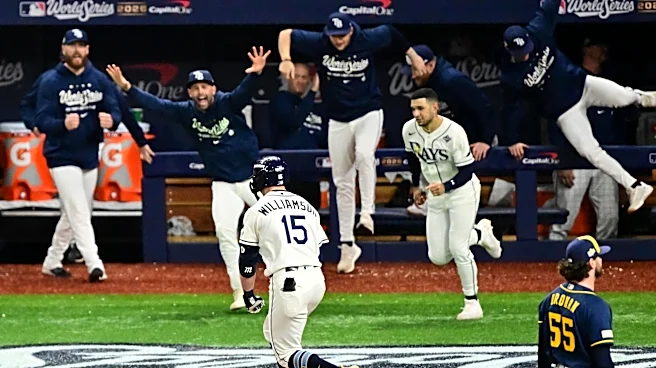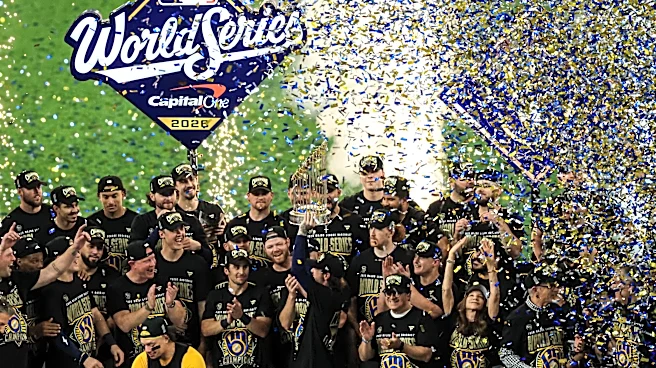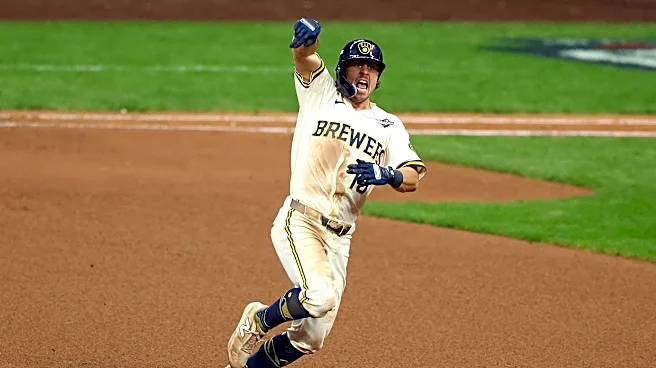

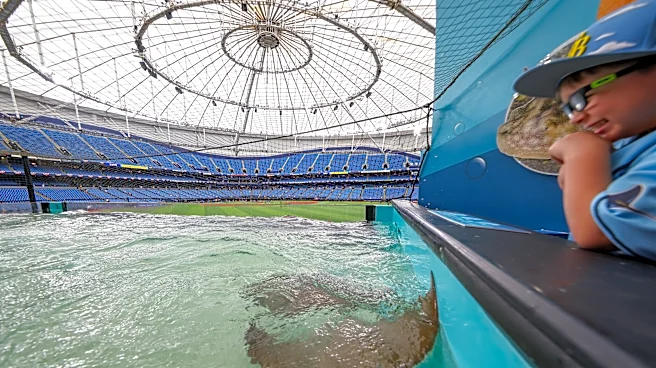

The Milwaukee Brewers closed out the World Series which means it’s officially time to move to the offseason. After back-to-back championship runs by the big bad Dodgers, it was a small market finale in 2026, providing hope to fans of teams in the Central divisions. Sure, the Brewers also have the best collection of young, cost controlled talent in baseball, including a behemoth likely Cy Young winner who throws 105 MPH for six innings at a time, but somehow the Brewers are still an underdog story.
The Twins will be looking to emulate the success of the Brewers and Rays, something more easily said than done, but their own collection of young talent is nothing to scoff at. There are pretty clear holes for a team that has missed the postseason in five of the past six seasons, but they are also ones that are relatively easy to fill. Wherever they go, it will undoubtedly be an eventful offseason.
November 2: Free Agency Begins
Technically, free agency is already underway, but players aren’t eligible to sign with new teams until November 6th. Players on the 40-man roster are also eligible to be traded again. Players and teams with contract options must also make those decisions by this deadline. Teams must decide whether or not to extend Qualifying Offers to free agents by this point as well.
Twins Players Impacted:
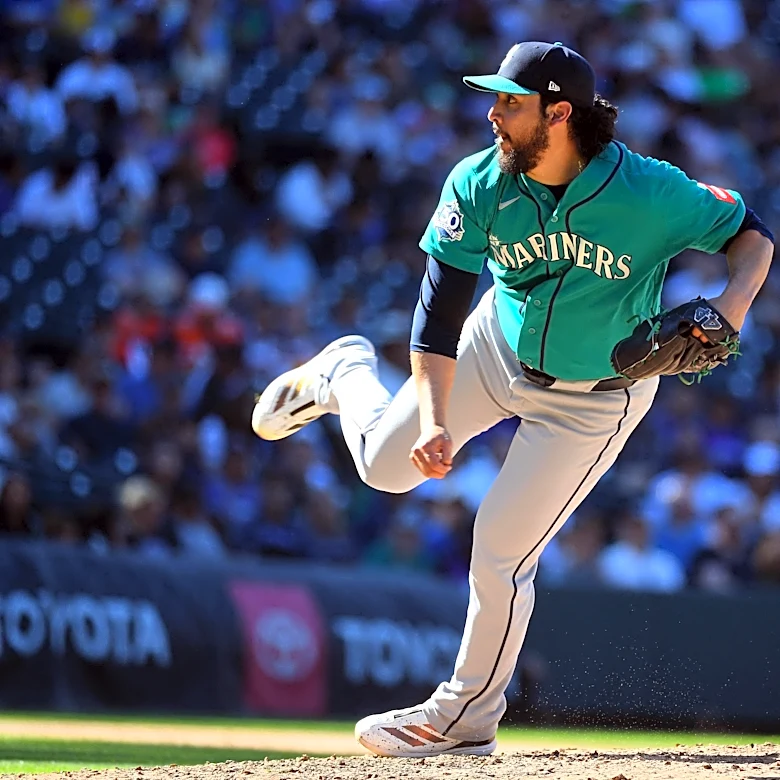
- Free agents: LHP AJ Minter, LHP Taylor Rogers, C Ryan Jeffers
- Josh Bell: $10M mutual option with $1.25M buy out
- Joe Ryan: $13M mutual option with $100K buy out (Ryan is still controllable via arbitration for 2027 either way)
- Ryan Jeffers: QO decision
November 9-12: GM Meetings
These are typically quieter than the Winter Meetings in December, but with the owner lockout looming on December 1, the Winter Meetings are likely to be cancelled anyway, making this much more significant especially when it comes to trade discussions. Last time there was a lockout, there was a flurry of moves at the GM meetings, not the least of which being Byron Buxton’s long-term extension to stay in Minnesota.
November 17: Rule 5 Protection and QO Deadlines
By the 17th, MLB teams will have to add players to the 40-man roster if they want to protect them from the Rule 5 Draft. The Twins don’t have any glaring prospects to add to their list this year, but I wouldn’t be surprised to see one or two. Players also have to decide whether or not to accept the qualifying offer by this day. Jeffers will be a unique case of the QO system, so long as the Twins extend him one.
November 20: Non-tender Deadline
Teams must decide whether to offer contracts to their arbitration-eligible and pre-arb players by this date. You don’t have to agree to a specific contract, just tender a contract with the final figure to be decided at a future date either via negotiation or the arbitration process. There’s typically of flurry of deals around this date for teams that prefer not to settle salaries in court. The Twins announced deals with all of their arbitration-eligible players on the deadline last year.
This will be potentially the most intriguing time for roster decisions in Minnesota. The Twins have a number of high-profile players who could be removed from the roster.
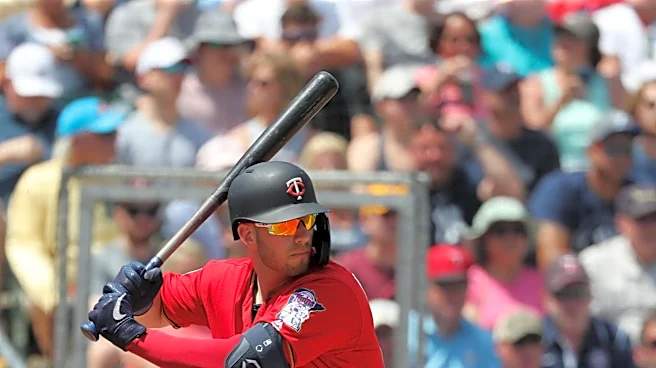
Twins non-tender candidates: Royce Lewis, Bailey Ober, Trevor Larnach, Matt Wallner, Tristan Gray, Cole Sands, Anthony Banda
All of November: Awards Season
Various awards are announced throughout the first few weeks of November. Here is the complete list.
- November 1: Gold Glove winners
- November 2: HOF eight-person Contemporary Baseball Era ballot
- November 2: Silver Slugger finalists, BBWAA finalists (MVP, Cy Young, ROY)
- November 6: Platinum Glove
- November 9: Rookie of the Year
- November 10: Manager of the Year
- November 11: Cy Young, Reliever of the Year, All-MLB teams, Hank Aaron Award, Comeback Player of the Year
- November 12: MVP
- November 16: 2027 HOF Ballot
- November 17: Silver Slugger winners
December 1: CBA Expiration, Lockout Begins
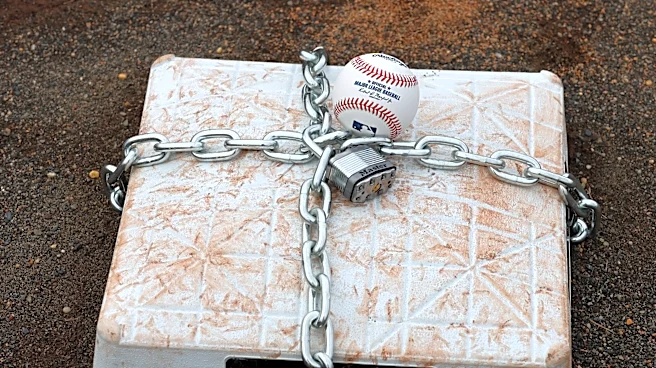
The big, scary deadline finally arrives after Thanksgiving. When the current collective bargaining agreement expires, the owners are widely expected to initiate a lockout, preventing any team-initiated games, training, or transactions. This only affects players on the 40-man roster, as minor leaguers are not yet considered MLB employees and are not governed by the same rules.
Minor league trades, signings, and transactions can still take place without a MLB CBA in place, but those will still be slow coming as the types of players who typically sign minor league deals only do so once it’s clear a 40-man roster spot isn’t coming their way. That, of course, can’t happen until teams sign or trade for better options on the market, so things usually come to a standstill.
I’m of the opinion that, despite what the owners would like you to believe, they’re in a worse negotiating position than the players as they really need the positive momentum of the last half decade to keep up.
To that end, I largely avoid politics and stick to baseball here, but given the tenor of this conversion it is a very relevant point. So here is your warning to skip the next two paragraphs if you don’t want that in your baseball diet…
There is a current window in the American economy and political system that allows billionaires and private equity firms to act with near impunity thanks to, inarguably, the most corrupt and easily influenced president in American history. With the midterms around the corner and a general shift in the American psyche against the ultra-rich, that window will close within the next half decade.
These billionaire owners want to sell now while franchise values are high and the 1% controls more of the economy than ever. If there is a prolonged labor stoppage, they lose that negotiating window by trying to build back brand equity and customer trust. For the first time maybe ever, the rich, old billionaires have to operate on a much tighter time table than the players do. That’s why they are pushing so hard for a salary cap and using MLB’s official channels to push their propaganda. Nothing will provide a short-term spike in franchise value like controlled labor costs. There is absolutely merit to finding ways to reign in the increasingly high spending of the Dodgers and the Mets and raising the floor for our beloved smaller market franchises, but a blanket cap system is not the solution.
Also, to be clear, the owners don’t have to lock out the players, but after the 1994 World Series was cancelled due to a players strike, the owners have chosen this route in every CBA negotiation since.
Events Likely to be Postponed or Cancelled
Due to the lockout, the following will likely be either postponed or cancelled altogether. Maybe we’ll all be surprised and the players union and owners make an agreement early on, but neither side tends to negotiate in earnest until we’re at risk of games getting cancelled. Once an agreement is reached, most things below will get rescheduled, but something like the Rule 5 draft could be skipped altogether.
- December 7-9: Winter meetings
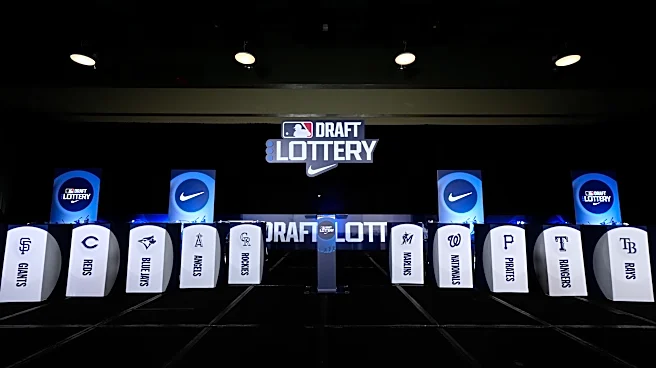
- December 8: MLB Draft Lottery
- December 9: Rule 5 draft
- January 8: Arbitration figures exchanged
- January 15: 2027 international signing period opens