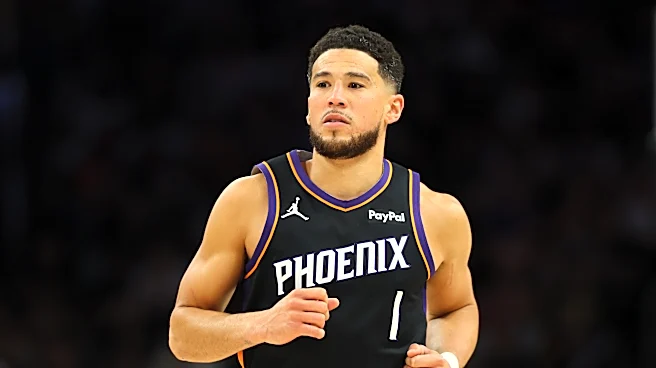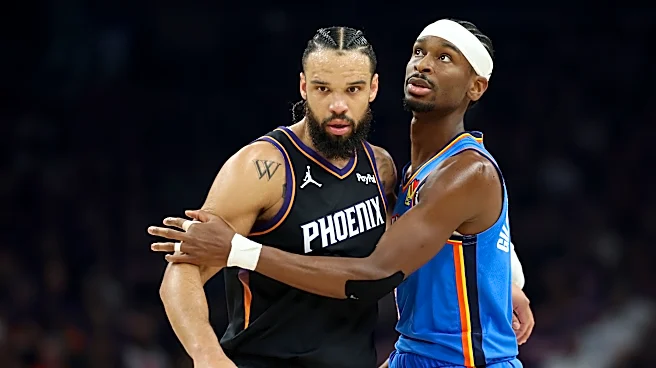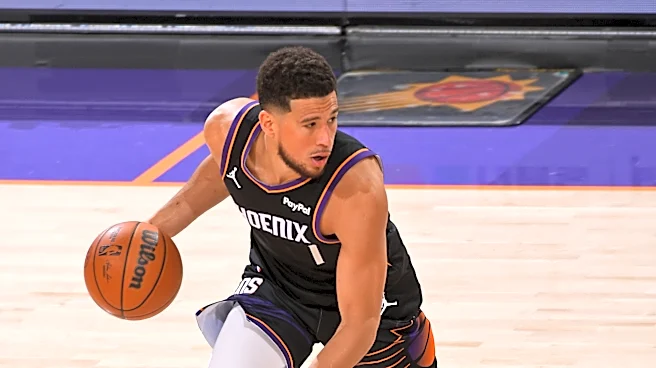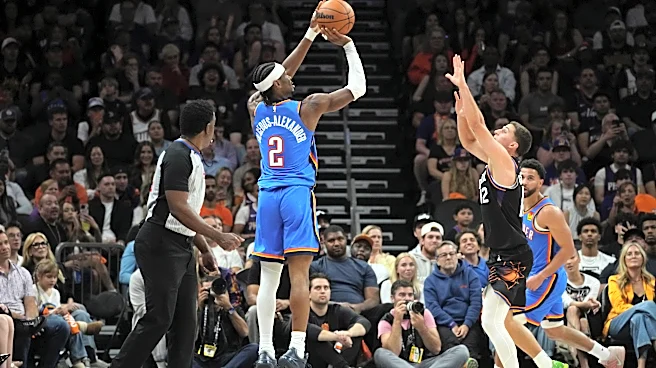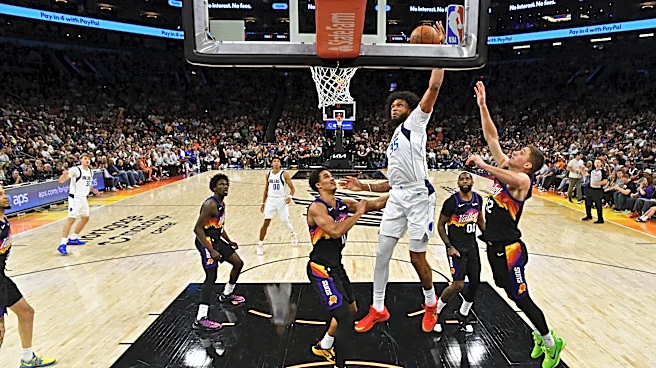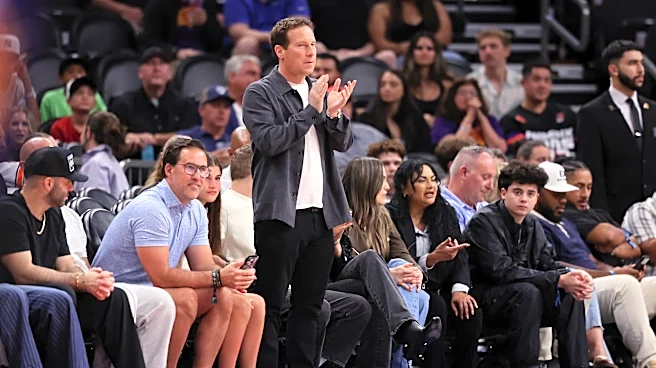


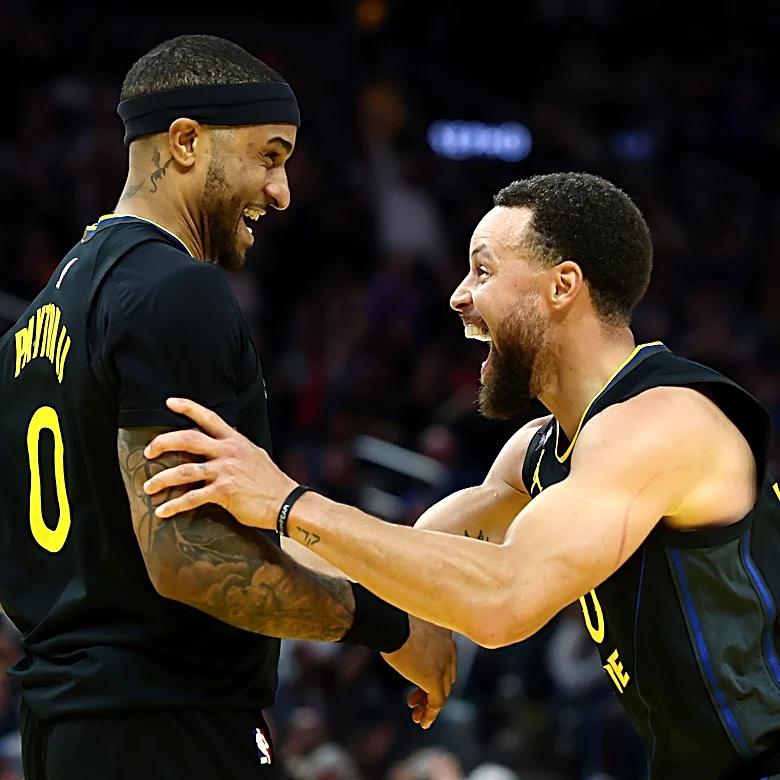
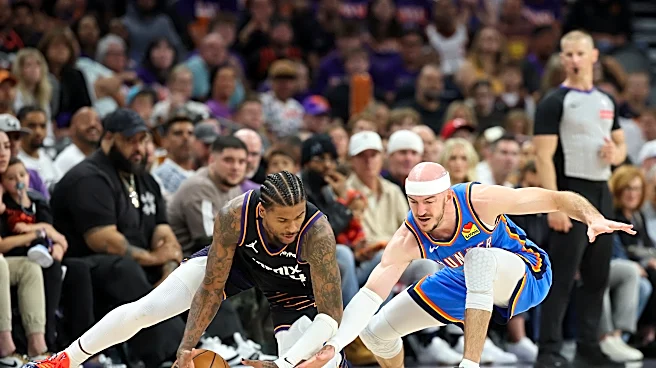
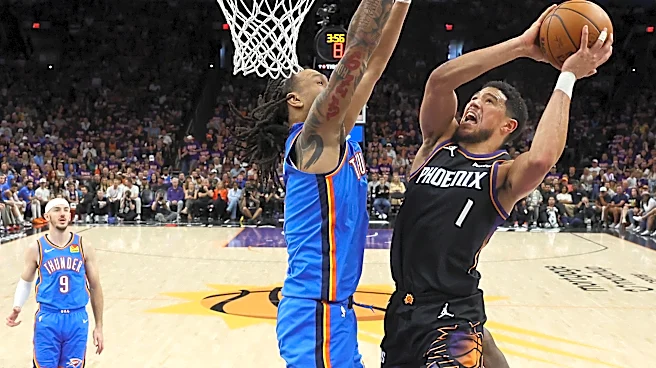

It is over. After 82 regular-season games, two Play-In games, and four postseason games, the 2025-26 Phoenix Suns season has come to an end. It didn’t end the way we wanted it, it never does, as the team, when 1-5 in Play-In/postseason play. If you include that in the total from February 1 on, the team that started 30-19 finished the season 16-23. Ut’s easy to walk away with the taste of blood in your mouth.
How do you define this season? How will you look back upon it? How do you feel about your
team at this moment in time? What one word describes the 2025-26 Phoenix Suns?
So many questions, so let me start with the last one. One word to describe the season? Easy. I have to go with “unanticipated”. That stands in direct contrast to where we were a year ago, when “disappointing” was the nicest way to describe who and what the Suns were. This season did not follow the expected script. There was no assumption of a playoff berth. There was no expectation of hosting Play-In games. The plan looked like a retool, moving off $101.4 million in Durant/Beal payroll, and taking back what you could.
What came back mattered. $23.2 million in dead cap, Dillon Brooks, Jalen Green, and a collection of picks that turned into Khaman Maluach and Rasheer Fleming. It pushed the roster younger. It also carried weight with that stretch-and-waive. The construction still leaned heavy at shooting guard, and because of that, most of us did not see this level of success coming.
It was a fun ride, and it was enjoyable because of how they overachieved. Every night, you felt it: the competitiveness, the willingness to get into rock fights, the passion, the connectivity, the disruption. It was a brand of basketball that pulled you in. Suns fans saw it and appreciated it. From a national perspective, there was respect for how quickly Phoenix turned things around. And there was envy from fanbases with teams in disarray.
The front end of the season was so enjoyable, I was contemplating adding this team to my personal “favorite Suns teams” list. But as the season wore on, injuries piled up. The element of surprise faded. Opponents adjusted to the effort and the schemes, and when those two things meet, the margin tightened.
After an 11-5 run in January that earned head coach Jordan Ott the Coach of the Month, the slide began. Slow at first, then harder to ignore. Like driving on the highway with a flat tire, still moving forward, but never quite right. That is where the frustration lives. You know this team overachieved, and it still feels like there was more there. A few different breaks, a little better health, a couple adjustments at the right time, and maybe the story stretches a bit further.
The postseason was not kind to the Suns, but the value is in the experience. One of my favorite moments from exit interviews came from Oso Ighodaro, who noted that Oklahoma City was calling out every play on defense.
That is what this is about and why gaining access to the postseason was such a bonus for this team. Players saw what excellence looks like and felt it in real time. The regular season moves fast with a new opponent every night, a new game plan, and a new rhythm. The postseason slows everything down. You face the same team over and over, and the game shifts. It becomes less about physicality and more about processing. Recognition. Execution. High-IQ players thrive here because they can see it, read it, and act on it without hesitation.
Oso and this group experienced that for the first time. Now they know. Now they have a target. Now they understand the level required. The season did not end with a bang. It faded out. But the experience they gained is real.
This season will be remembered fondly because it exceeded expectations, largely because there were none. It was year one of a retool, and it was spent evaluating, observing, trying to understand who these players are, what sticks, what translates, and how it all fits as you move forward. Now comes the hard part. Expectations rise. The front office did strong work setting the table, now it has to build on it. The margins are thin. The decisions get tougher. You are no longer identifying value, you are trying to maximize it.
How do you make this team better? What do you keep? What do you move? What risks are worth taking? That is the next phase. How do you carry this momentum forward?
Those answers will come this offseason as the team navigates what comes next. It is also worth pausing and appreciating what 2025-26 was. A year ago, it felt bleak. There was no clear path forward, no sense of light at the end of the tunnel. It felt like the Suns had backed themselves into a corner, staring at a future of lottery-level results without the benefit of lottery picks.
That changed. There is hope now. You can see a direction. You can feel a foundation forming. But hope only takes you so far. Appreciate the climb, understand how they got here, and keep the standard moving. A First Round sweep is acceptable at this moment. It will not be next year.
In the end, the Phoenix Suns didn’t just finish a season. They reset a trajectory. What began as a low-expectation retool became proof of concept: that effort, identity, and smart recalibration can matter as much as star power. The record won’t tell the whole story, and neither will the First Round exit. What will last is the shift. From uncertainty to direction, from empty noise to meaningful basketball. Now the lens changes. Surprise gives way to expectation, evaluation to execution. The foundation is there, but foundations don’t win in April and May. Decisions do.