

The Denver Broncos entered their 2026 gridiron campaign with Super Bowl aspirations. Sitting at 2-2 after four games, the Broncos have faced a tough slate of opponents to begin the season. All things considered, being a .500 ball club at this juncture isn’t a terrible spot to be in.
Yet it is crystal clear their hopes of hoisting another Lombardi Trophy will go up in flames if they can’t figure out a way to be more efficient on offense.
Slow starts in the Mile High City aren’t anything new. Broncos
Country has seen them routinely during the Sean Payton era. It’s been frustrating for sure. On the bright side, after the BYE the past several seasons, the Broncos have found a way to get things on track. But this time around, the franchise can’t wait that long.
The list of issues inhibiting the Broncos’ offensive attack from taking off is large. Their penchant for penalties and drops has certainly inhibited the success of the offense to date. Those have stalled out too many drives and resulted in far too many three-and-outs to begin the year. In many ways, they continue to be their own worst enemies. A well-coached team shouldn’t have these issues.
In turn, that has negatively impacted their scoring efficiency. The Broncos currently rank as a bottom seven scoring offense in the NFL. They only have seven touchdowns (2 rushing, 5 receiving) and just five field goals. That’s not enough to get it done most weeks, especially with the caliber of opponents they are facing with a first-place schedule.

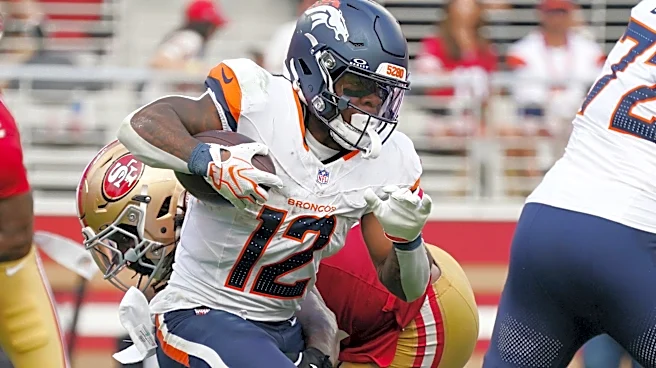
Additionally, the Broncos have struggled at significantly with their running game. They made a multi-year investment to bring back J.K. Dobbins. Alas, Dobbins hasn’t flashed like he did early on in his 2025 campaign prior to injury. Rookie running back Jonah Coleman is on short-term IR, and RJ Harvey hasn’t had a whole lot of chances to make an impact as a runner in his second year with the team.
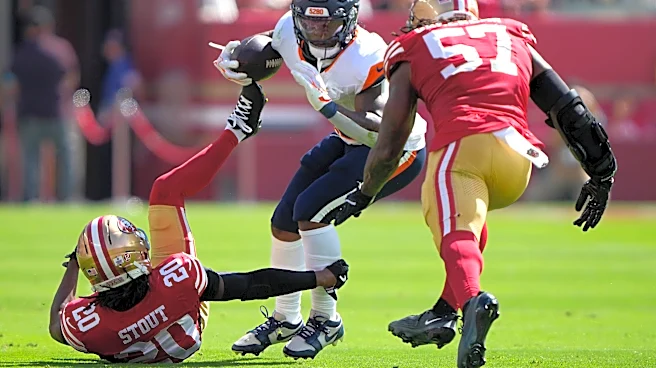
In four games, the Broncos have run the ball 90 times for 325 yards and just two touchdowns. That’s barely over 3.5 yards per carry and one of the lowest marks in the league. Meanwhile, opponents have ran the ball 120 times for 571 yards and 4 touchdowns—averaging nearly 5 yards per carry against the Broncos’ defense
If Denver continues to struggle the ball—and stop the run—they will have a tough time winning enough games to make the playoffs. Yesterday, Head Coach Sean Payton gave his thoughts on the state of the Broncos’ rushing attack.
“There are always two or three things. There are some clean looks we do a good job with. Then there are some looks where defensively, we’re getting a run stunt. I think that overall, just the consistency and our approach,” stated Payton.

“Whether it’s in the shotgun or under center—that will continue to be a focal point for us. It’s always in these details. I think certainly you saw that yesterday,” added Payton with an emphasis of bolstering the Broncos’ rushing attack.
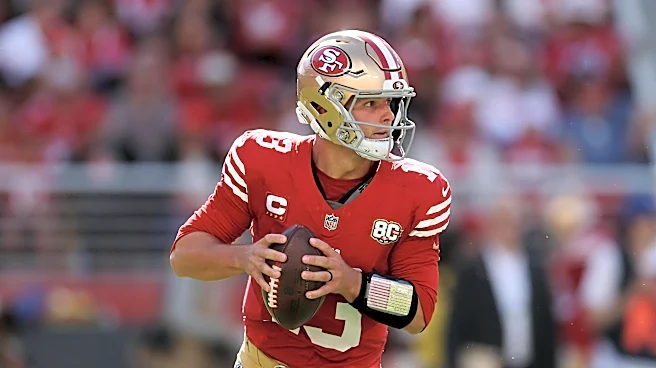
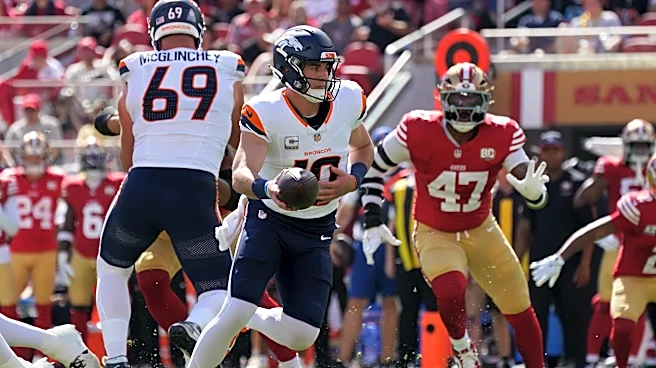
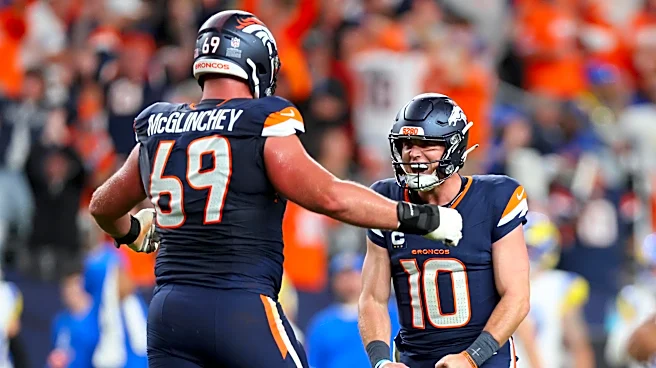
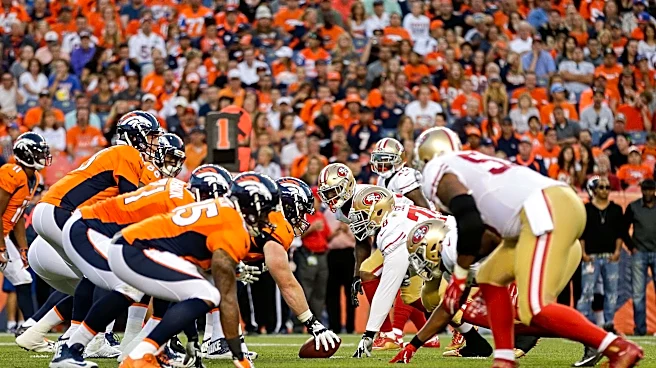
Only time will tell if such a commitment will come to fruition. We’ve heard this line before, many times, yet the Broncos have continued to have an unbalanced attack that has put more pressure on quarterback Bo Nix. After their lost to the 49ers, right tackle Mike McGlinchey stated he and his offensive line teammates have to be better at paving paths for the Broncos’ stable of running backs.
“A lot. It’s a huge part of our job and we’re not doing it well enough. We’ve got to, as a team, run the ball better. We need to be able to rely on that when games are tight, games are close, and we’ve got to be better,” stated McGlinchey.
Being able to control the clock and time of the possession matters in games. Quite simply, Denver hasn’t done well enough on that front to edge out their opponents on a weekly basis. I’m still of the opinion that a strong running game can help out Nix, who has had a relatively quiet start to his third season leading the team.

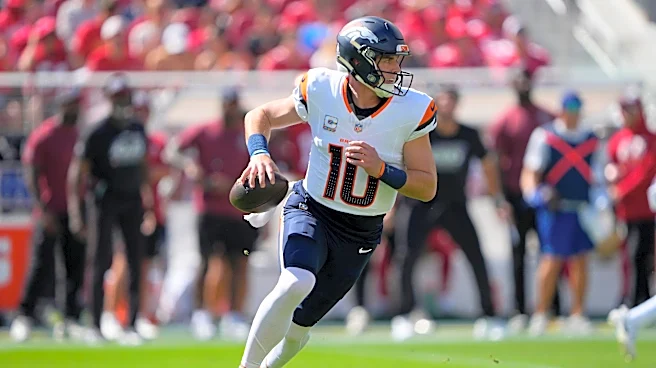
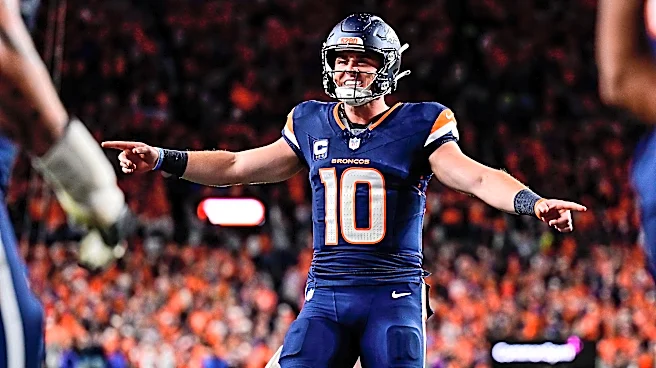
However, where the Broncos’ offense ultimately winds up this year will depend a significant degree on Nix making strides as a signal caller. The thrilling comeback victories and game winning drives are impressive. Nobody can deny that. Though his accuracy and poise in the pocket have certainly been erratic. Payton chimed in on several parts of Nix’s play thus far yesterday.
“There are times where you want to be careful how much you say. In other words, he’s really good when he flushes out of the pocket. I think there was one snap a week ago, he came out the back instead of climbing. He’s pretty good relative to understanding the drop as it pertains to the depth of route,” remarked Payton with respect to Nix’s mechanics.
Notice how Payton didn’t mention anything about his ability to step up in the pocket and deliver passes with good timing and rhythm consistently. Perhaps he was “careful” for a reason. Anyone that has watched the Broncos the past few seasons knows that’s a re-occurring issue. There are some games where he looks great, but there’s too much meat being left on the bone far too often. I’m quite sure Payton knows this.
Truth be told, that has been an area of inconsistency for him dating back to his collegiate days at Auburn and Oregon. And quite honestly, I’m not sure what the fix for that is. Defensive Coordinators are already sniffing out what Nix does best operating in moving pockets and in play action. Raheem Morris and his players did a great job of that last Sunday.
Can Nix take the necessary leap as a pocket passer to dial up more production and efficiency for the Broncos’ offense? Only time will tell. The next thirteen games will give us a better picture. But most importantly, whether or not there will be much of a debate on him being a $60 million dollar a year player that a future extension would command.