



Mike Macdonald’s defense has just completed an impressive two-week stretch. First, the Seattle Seahawks held Sean Payton’s Denver Broncos to 17 points. Then, one week later, it limited Andy Reid’s Kansas City Chiefs to just three. Those are two of the most accomplished offensive minds in the NFL, and the Seahawks found ways to disrupt both systems.
Now comes a different kind of challenge.
The Chicago Bears arrive in Seattle with a 5–2 record and an offense led by Ben Johnson, one of the most promising
young offensive minds in football. Johnson does not have the résumé of Reid or Payton yet, but he has already shown the creativity and adaptability that make him one of the most intriguing play-callers of his generation.
That is what makes this matchup so compelling. Macdonald has just gone through two consecutive tests against established offensive masterminds. Now he gets a chance to measure his defense against a younger coach who is building something of his own in Chicago.
Johnson’s offense uses motion, formation variation, play-action and a balanced rushing attack to create favorable matchups. Macdonald’s defense is built to disguise its intentions, change the picture after the snap and make quarterbacks hesitate. It is a clash between a defensive mind who has found answers against two elite offensive coaches and an emerging play-caller who wants to make Seattle solve a different set of problems.
Keeping Caleb Williams in the pocket
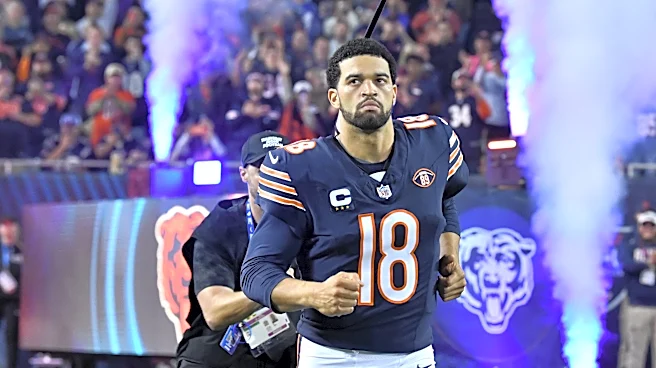
The first priority for Seattle is clear: keep Caleb Williams inside the pocket.
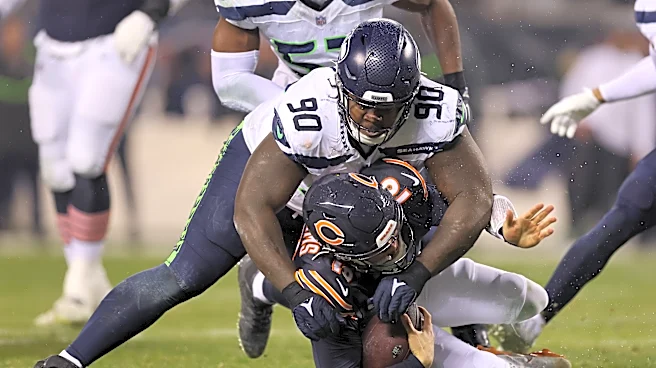
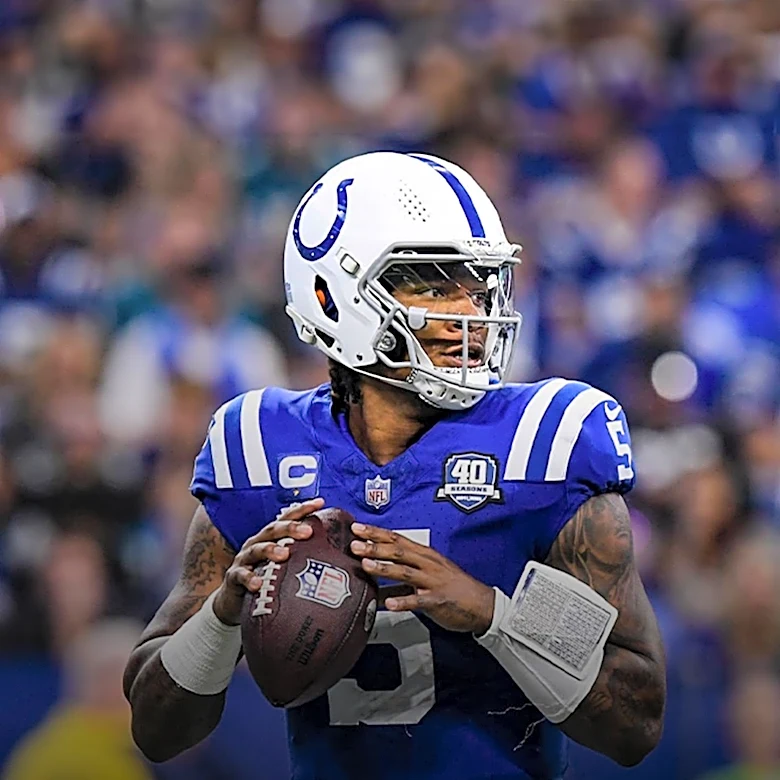
It has been one of the defining strengths of Macdonald’s defense. Seattle has done a good job keeping quarterbacks such as Brock Purdy and Bo Nix from turning pressure into extended plays. The defensive line has maintained its rush lanes, while the coverage has forced quarterbacks to work through their progressions instead of relying on improvisation.
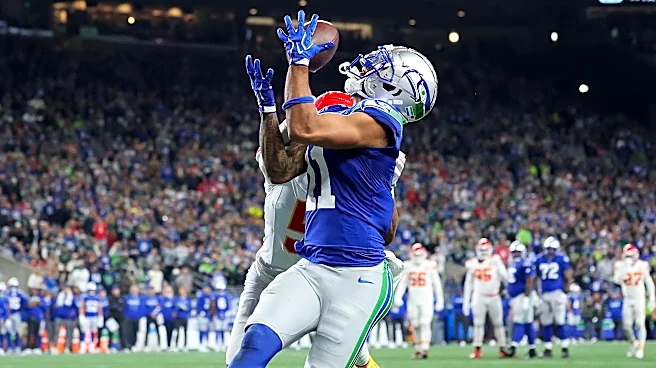
The results have been impressive. The Seahawks held Patrick Mahomes to only 165 passing yards. Against the Chiefs, Seattle compressed the pocket, disrupted the timing of the passing game and prevented Kansas City from finding its usual rhythm.
Still, the performance against Mahomes also offered a few reminders that Seattle is not flawless. There were moments when the rush lost some of its discipline and the quarterback had opportunities to move outside the structure of the play. Mahomes was unable to turn those moments into consistent production, but a more balanced and healthier Chicago offense could be better equipped to exploit them.
Williams presents a different challenge. He has the athleticism to escape pressure, extend plays and give his receivers extra time to uncover. He has also shown that he can attack downfield when the protection holds. Johnson can make that even more dangerous by designing plays that move the launch point through bootlegs and play-action, giving Williams simpler reads while forcing the defense to account for his mobility.
Seattle cannot become so aggressive in its pursuit that it opens escape lanes. The edge defenders must maintain their leverage, the interior rush needs to compress the pocket without losing control, and the linebackers must be ready to react when Williams leaves the original launch point.
The goal is not necessarily to sack him on every passing down. It is to make him play quarterback from the pocket, where Seattle can use its coverage structure and pass rush together. If Williams is allowed to turn broken plays into second chances, Chicago has the weapons to make those opportunities hurt.
Defending the tight ends
The tight end matchup could be one of the most important parts of the game, particularly because Seattle has shown some vulnerability in this area.
Ernest Jones has had difficult moments when asked to handle tight ends one-on-one. That is a matchup Chicago can look to exploit with Colston Loveland, who has become a meaningful part of the Bears’ passing offense. Loveland has 26 receptions for 244 yards and two touchdowns through seven games, and he gives Williams a reliable option between the numbers.
The Seahawks just faced a reminder of how tight ends can become a quarterback’s most dependable answers against their defense. Against Kansas City, Travis Kelce and Noah Gray were the Chiefs’ most productive receiving targets. Both finished with 44 yards, but the difference in how they got there is worth noting: Kelce needed eight targets to reach that total, while Gray caught all three of his targets. No Kansas City wide receiver finished with more than 18 receiving yards.
That should get Seattle’s attention. The defense did an excellent job limiting the Chiefs’ outside receivers, but the tight ends still found ways to make plays in the middle of the field. Chicago can try to reproduce that approach with Loveland, especially if the Bears can create favorable matchups against the linebackers.
This is where Jones and the rest of Seattle’s second level will have to be disciplined. If the linebackers step too aggressively toward the line of scrimmage to help against the run, Loveland can work behind them. If they sit too deep to protect the passing lanes, Chicago can use the space underneath and make the defense tackle.
Johnson can also use formations and motion to make the defense declare its coverage responsibilities. Loveland can line up attached to the offensive line, split out wide or move into the slot. Those changes can create mismatches and force Seattle to adjust its personnel and communication before the snap.
Seattle needs to avoid giving Williams easy answers. The linebackers must understand their leverage, the safeties need to recognize when Loveland is entering the seam, and the defensive line must prevent the quarterback from having all day to wait for the route to develop.
The ground game: patience on both sides
Chicago’s rushing attack is another major concern. The Bears have a productive combination in D’Andre Swift and Kyle Monangai, although Monangai has just been ruled out for Monday.
Swift has 476 yards on 116 carries, averaging 4.1 yards per attempt, with seven touchdowns. Monangai has added 324 yards on 60 carries, averaging 5.4 yards, with three scores. The combination gives Johnson two backs with different usage profiles and allows Chicago to keep its ground game involved throughout the game.
The Bears do not need to break off a huge run early to make their rushing attack effective. They can work through four- and five-yard gains, stay ahead of the chains and gradually force the defense to respect the run. That is particularly important against a defense like Seattle’s, which wants to dictate passing situations and unleash its pass rush.
The Seahawks need to win the line of scrimmage without allowing the Bears to dictate the tempo. The defensive front must stay disciplined with its gaps, while the linebackers need to read their keys and avoid getting caught between the run and the passing game. Williams’ mobility adds another element, since the quarterback can become part of the rushing threat when the defense overcommits to the running back.
On the other side of the ball, Seattle should have a similar commitment to patience.
The Seahawks cannot abandon the run just because the first few carries do not produce explosive gains. The objective should be to keep moving the chains, even if the progress comes in small increments. Two or three yards on an early-down carry are not necessarily a failure if the offense avoids negative plays and stays in manageable situations.
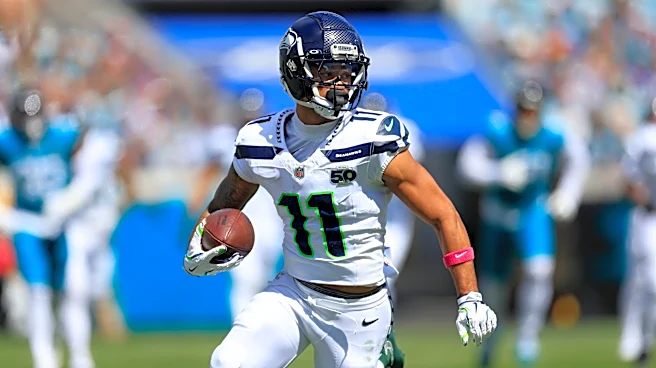
That approach was visible against Kansas City. Emanuel Wilson finished with 100 yards on 24 attempts, and his production became particularly important late in the game. Wilson generated more than 50 yards across Seattle’s final three drives, helping the offense keep moving and close out the win.
That is the kind of patience Seattle needs again. The Seahawks should not feel compelled to force a big play on every possession. Keep handing the ball off, keep finding small gains, avoid tackles for loss and make Chicago defend the run for four quarters.
The value is cumulative. Repeated carries can make linebackers step forward, slow down the defensive front and create better opportunities for play-action later in the game. It also helps keep Dennis Allen from putting the defense in obvious passing situations where he can unleash his pressure packages.
Quenton Nelson’s presence should help. His experience and strength inside give Seattle an important piece against a defensive front that has recently added Jeffery Simmons. The Seahawks need their offensive line to create movement, maintain angles and avoid allowing Simmons to disrupt the play before it develops.
Dennis Allen’s pressure packages
The other side of the matchup is just as interesting. Chicago’s defense is coordinated by Dennis Allen, a coach with a long history of aggressive defensive structures and pressure packages.
One of the most interesting pieces of his system is Kyler Gordon. Gordon is not merely a slot cornerback who occasionally blitzes. He gives Allen the flexibility to bring pressure from unexpected angles and change the protection picture for the offense.
Gordon’s ability to attack from the slot makes him particularly dangerous on passing downs. Allen can use him as a blitzer, show pressure before the snap and then change the picture once the quarterback begins his cadence. That forces the offense to identify the pressure and adjust its protection without knowing exactly where the extra rusher will come from.
For Sam Darnold, the challenge is recognizing where the pressure is coming from and making the right protection adjustment. If Gordon comes off the edge, the running back or tight end may have to account for him. If the offense shifts its protection to Gordon, Allen can use that reaction to create an advantageous matchup elsewhere.
And now Chicago has another major weapon up front.
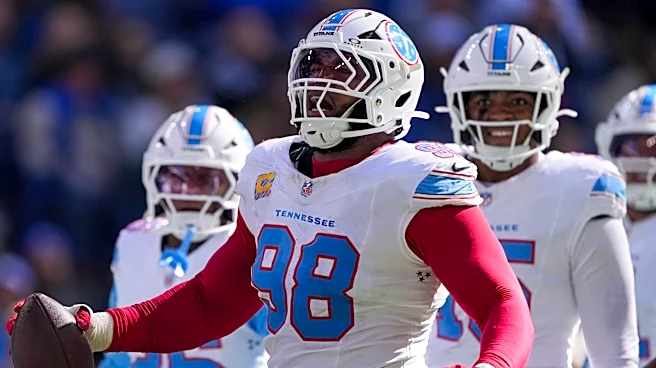
The addition of Jeffery Simmons gives Allen a defensive tackle who can generate pressure without needing a blitz. Simmons can collapse the pocket from the interior, occupy multiple blockers and disrupt the quarterback’s platform. That creates opportunities for the edge rushers and defensive backs to attack one-on-one matchups.
This is where the combination becomes dangerous. Gordon can create uncertainty before the snap, while Simmons can win after the ball is snapped even when the offense knows where he is. Seattle cannot focus exclusively on one of them.
The Seahawks need to identify the pressure, communicate clearly and avoid leaving Darnold exposed to free rushers. Quick throws, screens and well-timed play-action can help punish an aggressive defense, but those answers only work if the offense recognizes the pressure and executes the protection correctly.
Darnold’s eight interceptions this season make ball security particularly important. Seattle cannot give Chicago short fields or allow pressure to turn into careless decisions. The offensive line must keep the pocket functional, and Darnold needs to be willing to take the available completion rather than force a play against a disguised coverage.
Final thoughts
This matchup against Chicago is an opportunity for Seattle to build on its win over Kansas City and show that it can string together consistent performances. The Bears are playing well on both sides of the ball, have a healthy offensive line, talented receiving options, and a coach who has shown an ability to find answers during games. They won’t be an easy opponent, especially with Jeffery Simmons now joining an already aggressive defensive front.
Chicago could also emerge as a direct competitor in the Wild Card race. The Seahawks and Rams may find themselves battling teams from the NFC North for those final playoff spots, making every win important. Beating the Bears would give Seattle another valuable result against an NFC opponent, although the head-to-head result itself would not be the primary tiebreaker between teams from different conferences.
A win would also put Seattle in a better position heading into the next stretch of the schedule. The Seahawks have the Arizona Cardinals and Las Vegas Raiders coming up before their bye week. That would give the team some breathing room to get healthy, evaluate the roster, and make any necessary adjustments before the next phase of the season.
More than winning another game, Seattle needs to show that the performance against Kansas City wasn’t an isolated result. Repeating that defensive intensity, maintaining offensive balance, and beating an opponent that is also playing well would be a strong indication that the Seahawks are getting back on track. It’s a chance to build momentum and establish the kind of consistency that could make all the difference when the playoff race tightens up.